US
America's oldest natural history museum closes its doors just short of its 200th birthday
Philadelphia's Academy of Natural Sciences shut Sept. 30 after Drexel cited rising costs. Crowds flooded in for final visits, and a foundation has offered a year of bridge funding.
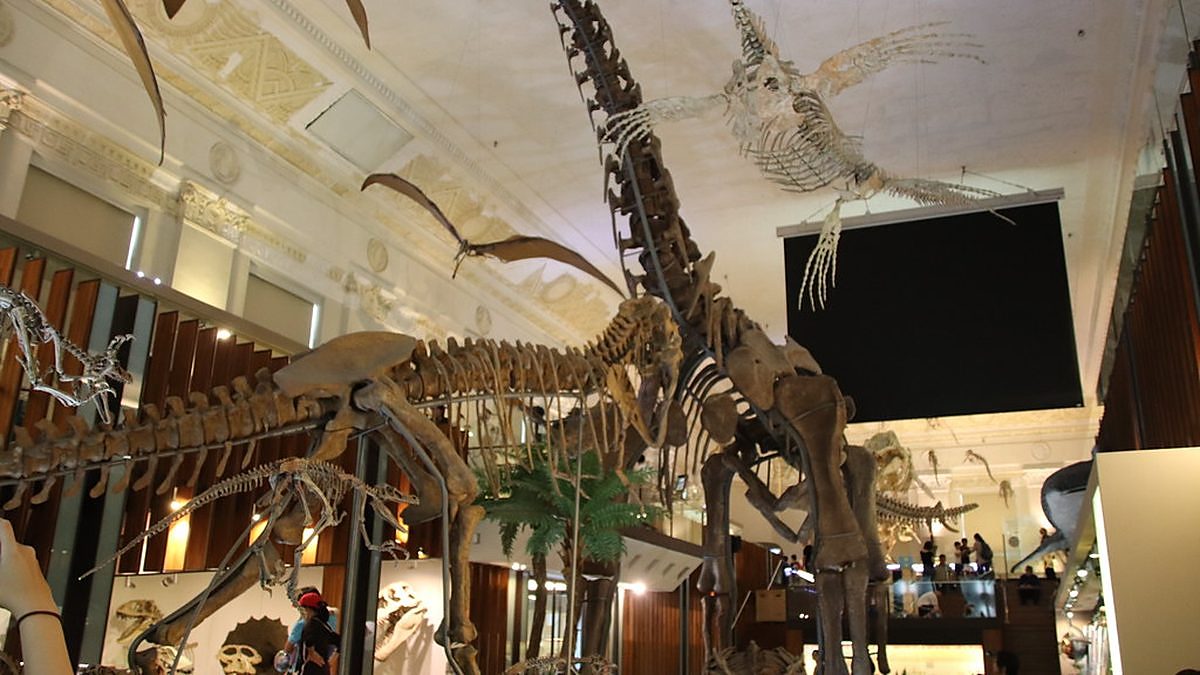
For generations of Philadelphia-area children, a trip to the Academy of Natural Sciences was a rite of passage. As of Sept. 30, the nearly 200-year-old museum is closed.
When word came on Sept. 1 that the museum would shut at the end of the month, thousands of families made one last pilgrimage. On its final weekends, the sidewalk out front felt like a festival, a funeral and a science fair all at once, with lines down the block, volunteers gathering signatures, and a museum educator showing off a giant salamander skull and a coat of pangolin scales.
"This is a very special place, for my family and also me growing up," said Alexandria McCormick, who visited with her husband and six children. "It makes me really sad to think that my children might not also grow up having these experiences and being inspired to love nature this way."
A place in history
Founded in 1812 and opened to the public in 1828, the Academy is the oldest natural history museum in the Americas. In 1868 it became the first place in the world to display a dinosaur skeleton. Its research collection of more than 19 million specimens includes Thomas Jefferson's fossil collection, plants gathered by Lewis and Clark, and 73,000 holotype specimens that scientists use as references for naming species.
Why it closed
Drexel University, which took financial responsibility for the Academy in 2011, said costs have risen and attendance fell after the pandemic. In the museum's final weeks, attendance surged and revenue ran more than 20 times higher than the previous September.
"Maybe if they had announced this last year, they could have gotten the crowds they have now," said visitor Zoe Abrams. "This is busier than Grand Central."
A "Save the Academy" campaign has drawn more than 114,000 signatures. Isa Betancourt, who worked in the entomology department for a decade, flew in from Arizona to help organize. "If this museum can slip away like that, what's stopping other museums from going the same way?" she said.
A possible lifeline
Less than a week before closing, the William Penn Foundation offered a year of bridge funding to buy time for a long-term solution. Drexel said it is exploring working with the foundation but would need a sustainable plan before considering reopening, and that it "remains deeply committed to protecting the Academy of Natural Sciences' extraordinary legacy." The university has said researchers and students will keep access to the collections; what that means for the public is unclear.
The closure comes as government support for museums and cultural institutions has declined sharply. "It's certainly a challenging time for the museum field," said Natanya Kashan of the American Alliance of Museums.