
Communities
Folger exhibit traces 400 years of Black women and Shakespeare
"To Hear Her Speak: Black Women and Shakespeare" at the Folger Shakespeare Library gathers four centuries of Black women's work with the Bard.
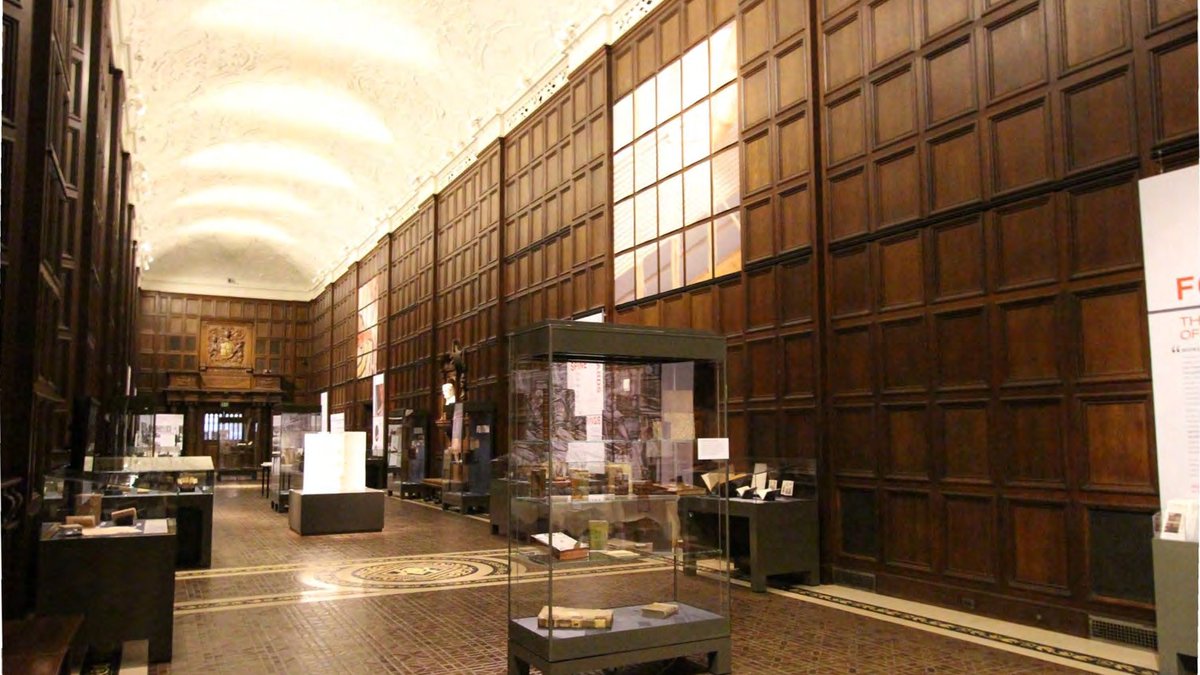
A new exhibition at the Folger Shakespeare Library in Washington sets out to tell a story that has rarely been told in one place: 400 years of Black women reading, performing, reworking and talking back to Shakespeare.
"To Hear Her Speak: Black Women and Shakespeare" is on view through May 2, 2027. The Folger calls it the first full history of Black women's engagement with the playwright and its most ambitious temporary show since its galleries reopened in 2024.
The curator is Dr. Patricia Akhimie, director of the Folger Institute. She has said she wants the show to feel like an open invitation. There is even a sofa in the middle of the gallery so visitors can sit down among the rare books and take it all in.
What visitors will see
The exhibit pulls together rare books and manuscripts, a Shakespeare First Folio, a notebook that belonged to the poet Phillis Wheatley and costumes designed by Melissa Simon-Hartman for the Royal Shakespeare Company. There is also a writing table, a reading nook and an audio guide narrated by actress Adjoa Andoh, known to many viewers as Lady Danbury on "Bridgerton."
The title comes from Sonnet 130, which many readers believe may describe a Black woman. After listing what his mistress is not, the speaker says he loves to hear her speak. Akhimie notes that none of the 16th and 17th century material in the show is in a Black woman's own voice, so the exhibition answers the poem by showing what Black women went on to say themselves.
Joy over pain
Akhimie said many exhibitions about Black women in earlier centuries lead with suffering. She made careful choices about which painful objects to include and wanted visitors to notice how much joy runs through the work on display.
She said she built the show with young visitors in mind (including her 11-year-old daughter) and hopes people leave thinking about which family papers and stories they should save for the future.
More like this
America's oldest natural history museum closes its doors just short of its 200th birthday
Tulsa gala honors The Six, the city's first Black firefighters
Californians pack Allensworth park for a 50th rededication of Black self-determination

Astronaut Bernard Harris Jr. to receive an XCEL Award at the Orlando summit for men of color