US
US names helium a critical material as war with Iran squeezes global supply
The Energy Department added helium to its critical materials list Friday after the Strait of Hormuz closure cut off about a third of world supply.
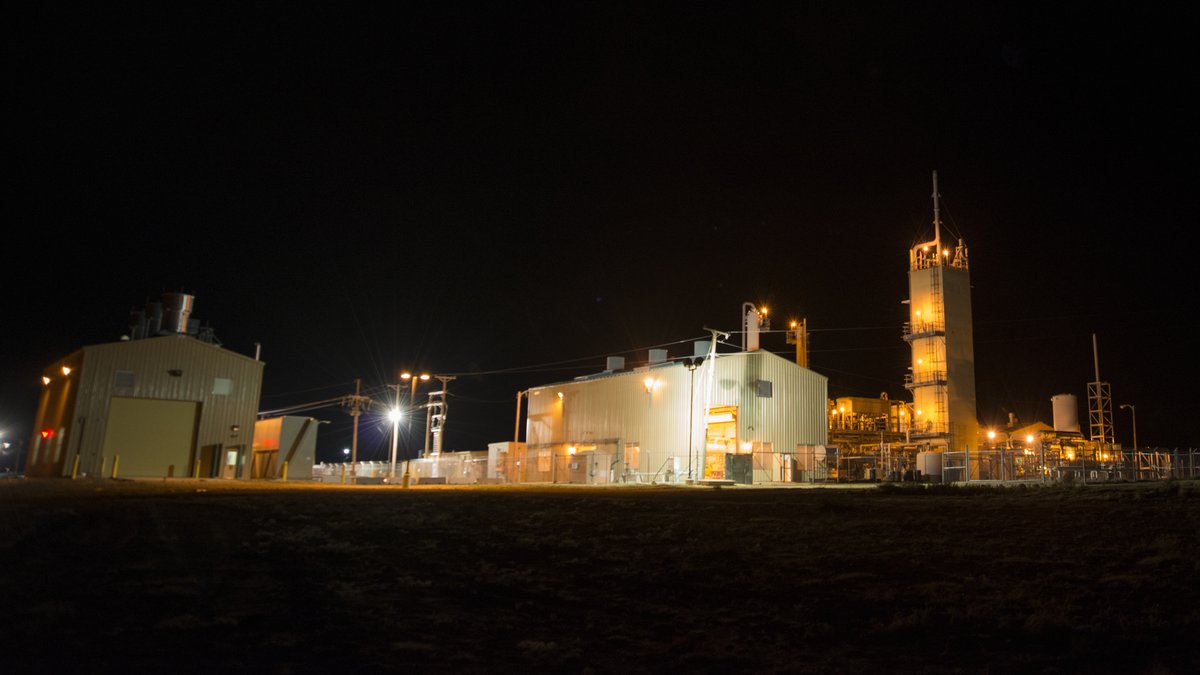
The Energy Department on Friday added helium to its list of critical materials, a step meant to shore up a gas the country leans on for computer chips, hospital scanners and space launches after months of global shortages.
Helium becomes the 20th entry on the department's list, which is drawn up under the Energy Act of 2020. The most recent addition before Friday was metallurgical coal, the kind used to make steel, in 2025. Being on the list opens the door to more federal financing for new projects and brings closer tracking of supply and demand.
Energy Secretary Chris Wright and Assistant Secretary Audrey Robertson framed the decision as a way to protect industries that depend on a resource with no real substitute. The department said it wants American output to grow so the country is less exposed to trouble overseas.
Why helium matters
Helium is the second lightest element and it stays a liquid at temperatures close to absolute zero. That makes it hard to replace. Chip factories use it to cool equipment and control conditions during production. Hospitals rely on liquid helium to keep the magnets in MRI machines cold. It is also used to check pipelines and tanks for leaks, to purge rocket fuel systems and to run the ultra-cold systems behind quantum computers.
Most of the world's helium is captured as a byproduct of natural gas production. The United States is the largest producer, with Qatar and Russia next in line.
A shortage tied to war
Supply has been tight since February, when the Strait of Hormuz was closed during the conflict with Iran. The shutdown cut off roughly a third of the world's helium, much of it shipped from Qatar. In March, Iranian strikes damaged Qatar's huge Ras Laffan gas complex, deepening the crunch. Buyers have now dealt with seven straight months of short supply and rising prices.
American producers have not been able to fill the gap quickly. The country has limited capacity to refine crude helium into the pure gas customers need. New projects can take years to clear permitting. Industry groups have pushed for faster approvals on federal land, where much of the nation's helium sits.
A reversal on the list
The designation marks a shift from four years ago, when the U.S. Geological Survey dropped helium from its own separate roster of critical minerals. That list is used for different purposes, but the decision had frustrated users who warned the country was too complacent about supply.
For decades the federal government ran its own helium business, storing the gas in an underground reservoir near Amarillo, Texas. Congress ordered that operation wound down. The government sold its reserve to a private buyer in 2024.
Hospitals and research labs that have rationed helium in recent months are watching to see whether Friday's step leads to new production soon. Department officials did not say how much money could flow to helium projects or when the first awards might come.
More like this
A New York apartment building now runs on one of the biggest batteries in any U.S. home

Vance tells Michigan voters the economic turnaround will take more than 18 months

Nasdaq suffers its worst day since June as AI spending fears and $113 oil rattle Wall Street

Iran calls the latest U.S. offer to end the war insufficient