US
A New York apartment building now runs on one of the biggest batteries in any U.S. home
The system can power the Peace Bridge Place affordable housing complex for days and is meant to prove large batteries can safely work where people live.
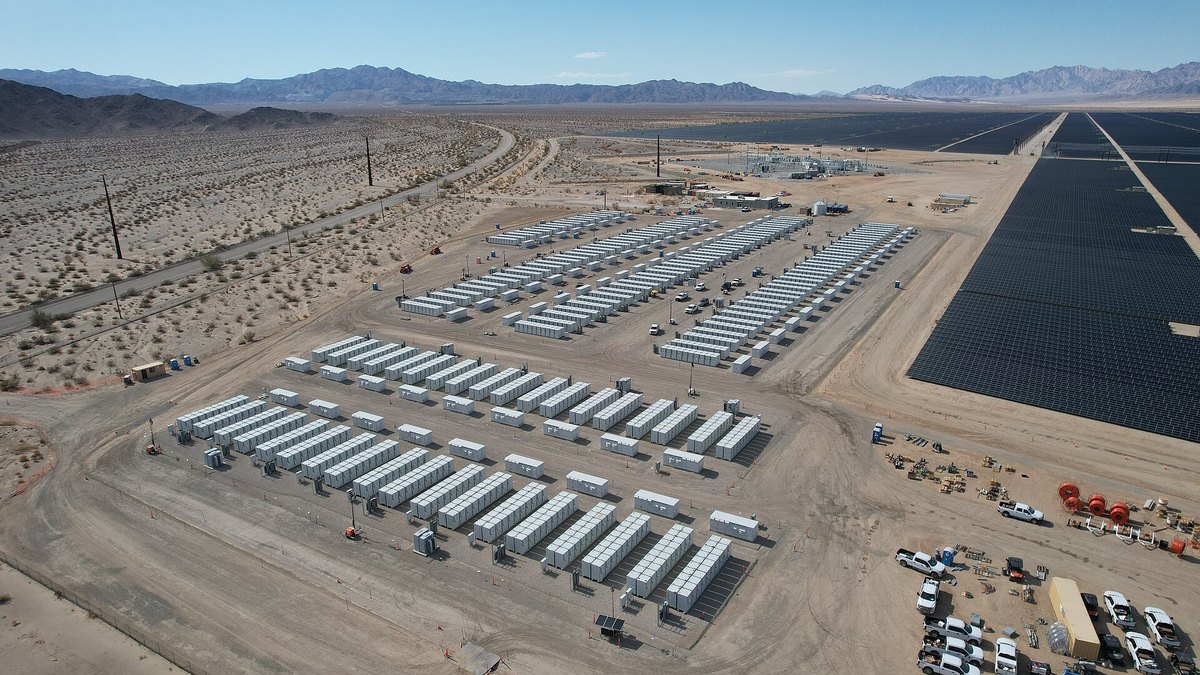
An affordable apartment complex in Buffalo, New York, now has a battery big enough to keep it running for several days. The builders hope it will settle a question that has slowed clean energy for years: can large batteries safely sit inside buildings where people live?
The 3.75 megawatt-hour lithium-ion system at Peace Bridge Place is among the largest batteries in any U.S. residential building, its maker Viridi and developer Good Carbon Co. said Tuesday.
How it works
The battery charges when power is cheap and plentiful, then runs the building when the grid is strained and prices spike. The local utility pays the complex for not drawing power at those times and for sending power back when needed. That lowers the building's electric bills, which helps residents. It also keeps the lights on during outages.
The city sits near Niagara Falls, the source of most of the state's hydropower, so there is often surplus clean electricity to bank. The state's energy research agency helped pay for the project as part of a push to bring disadvantaged communities into the clean energy shift. Renters at Peace Bridge earn no more than 80% of the area's median income.
Built not to burn
Fire risk is the main reason big batteries are rare in homes. "A lot of the products on the market over the last 10 years have burned things down," said Viridi CEO Jon M. Williams.
Viridi says it spent six years and $10 million designing a container that will not let a failure spread. Half of that money went to batteries destroyed in testing. Each cell is walled off by plates, pouches and spacing, so if one fails its energy fades out instead of jumping to the next.
To win approval for indoor use, the system had to pass a test where a battery was forced to fail under a layer of cheesecloth. The cloth did not char or catch fire. In April the company said it met strict safety standards that let it be installed indoors without extra fire suppression.
Clean energy finance expert Jigar Shah, who ran the Energy Department's loan office under President Biden, called the project a milestone and said Viridi is the only company that keeps passing that "near impossible" test.
Why this building
The all-electric complex heats and cools with a geothermal system instead of natural gas, so it needed extra backup power. Local demand can outrun supply, which is why utility National Grid backed the project.
Doreen Harris, who leads the state energy agency, said it shows these systems can be safe and practical. "If we don't need to build generation, we can utilize the grid that we have more effectively," she said.
California is adding about 2,000 battery systems a week, according to state Energy Commission Chair David Hochschild, who called batteries the most important energy industry for decades to come. "We're just getting started," he said.
More like this
Standing Rock Sioux Tribe sues again to shut down the Dakota Access Pipeline
SpaceX Dragon docks at the space station with science gear and the last roll-out solar arrays

10 living Black inventors whose work still shapes technology and science

Navajo activists appeal a federal permit that could keep a reservation coal mine open until 2136