US
U.S. climate pollution jumped more than any other G20 country last year, a new UN report finds
Coal power and rising electricity demand pushed U.S. greenhouse gas emissions up sharply in 2025 while global emissions held flat.
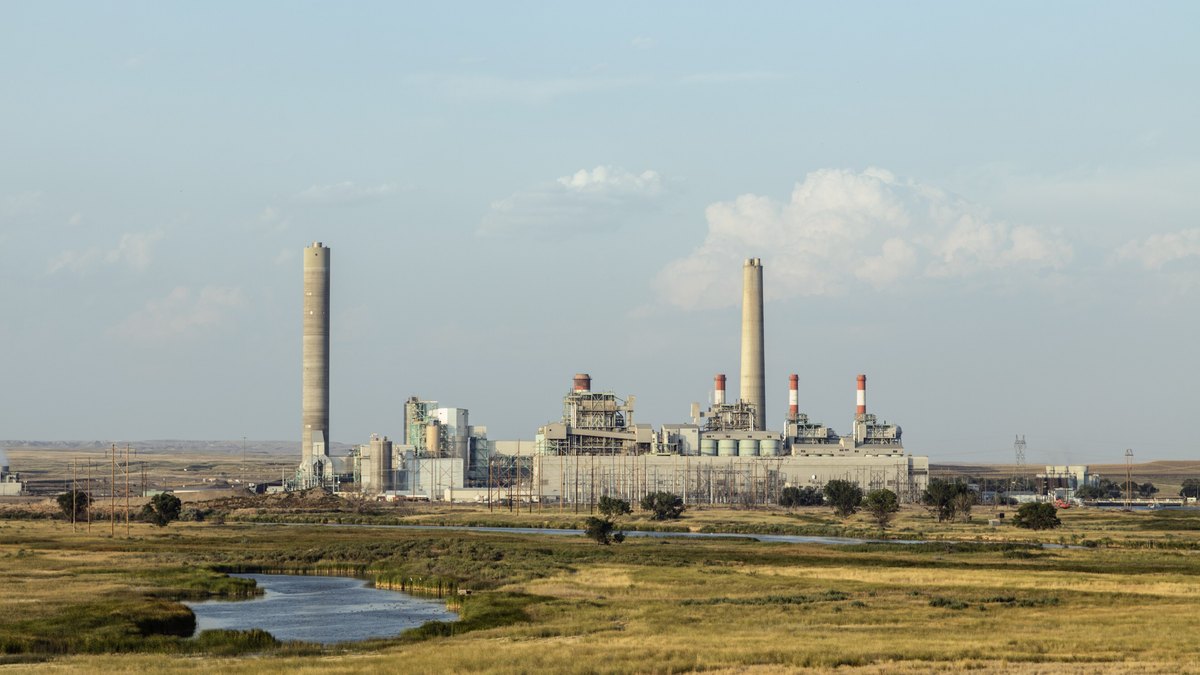
The United States stood out in a bad way in the United Nations' yearly check on climate pollution. A report released Wednesday found the country was the only major economy where planet-warming emissions climbed sharply in 2025, even as total emissions around the globe stayed about where they were the year before.
The annual study, compiled by an international team of scientists for the UN Environment Programme, puts the U.S. increase at 133 million metric tons of carbon dioxide and other heat-trapping gases. That was the biggest jump of any country in the G20 group of leading economies.
What drove the increase
Researchers pointed to two forces. Demand for electricity is growing fast and more of that power came from coal plants last year. Federal policy also pushed in the same direction. The administration has ordered some coal plants to keep running past their planned closing dates, rolled back vehicle fuel economy rules and ended tax credits for new wind and solar projects.
The program's executive director, Inger Andersen, said those choices have made the U.S. an outlier at a time when several other large economies kept cutting their pollution. She pointed to the European Union, which has poured money into efficient appliances and renewable power, in part as a response to Russia's war in Ukraine.
The report also found the U.S. tied with Russia for the highest emissions per person in the G20. China releases far more greenhouse gas in total each year but has more than four times as many people.
Washington pushes back
A statement from the U.S. government printed in the report says it does not endorse or agree with the findings and offered no comments on the draft. The country has pulled out of the 2015 Paris climate agreement and is working to leave all UN climate efforts. The Environmental Protection Agency now says greenhouse gases do not endanger public health, a reversal of its earlier stance.
Global climate talks open in Turkey in less than a month. The U.S. does not plan to take part.
The bigger picture
The planet is already about 2.7 degrees Fahrenheit warmer than it was in the mid-1800s. That extra heat is feeding deadly heat waves, floods, stronger storms and bigger wildfires.
For the first time the yearly report says the strictest warming target in the Paris deal is no longer within reach. It says holding warming under 3.6 degrees Fahrenheit is still possible, but only if worldwide emissions fall by about a quarter over the next 10 years. The climate plans countries have filed so far would cut emissions by only about 15% over that stretch.
There was one bright spot. Around the world, renewable sources produced more electricity than coal did last year.
More like this

Supreme Court opens its new term with a climate fight that could reshape state power

Navajo activists appeal a federal permit that could keep a reservation coal mine open until 2136
A New York apartment building now runs on one of the biggest batteries in any U.S. home
Standing Rock Sioux Tribe sues again to shut down the Dakota Access Pipeline