US
Supreme Court opens its new term with a climate fight that could reshape state power
Boulder County wants Suncor and Exxon Mobil to help pay for wildfire and flood costs. With Justice Alito sitting out, a 4-4 tie would let the lawsuit move forward.
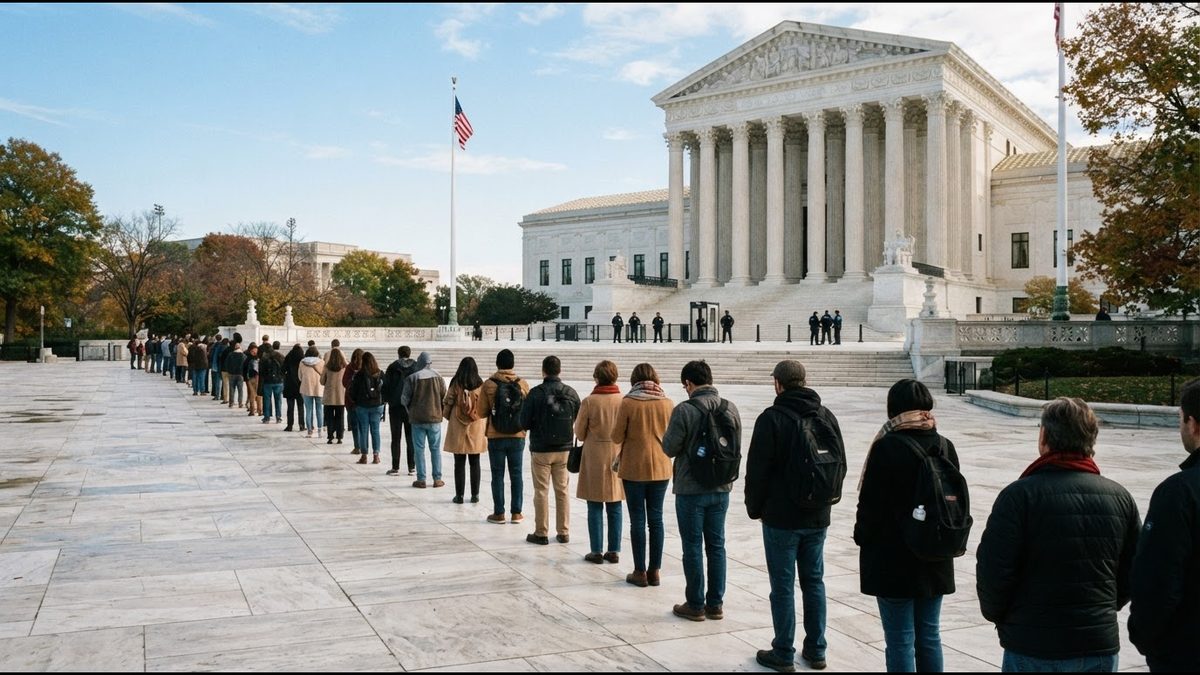
The Supreme Court opened its October 2026 term on Monday with a case that could decide whether cities and states can make oil companies pay for the local costs of climate change, and the answer may ripple far beyond energy.
The opening argument, Suncor Energy v. County Commissioners of Boulder County, stems from a 2018 lawsuit in which Boulder County and the city of Boulder accused Suncor Energy and Exxon Mobil of deceiving the public for decades about the dangers of fossil fuels. The local governments want the companies to help cover the cost of repairs, emergency services and property damage tied to floods, extreme heat and wildfires.
A fire that made the case personal
Three years after the suit was filed, in late December 2021, the Marshall Fire tore through Boulder County, destroying more than 1,100 homes in Louisville, Superior and unincorporated areas. Survivors describe melted coins and bicycles in the ashes of houses they had lived in for decades. Some of them traveled to Washington to watch the arguments.
Boulder's case has never gone to trial. It is still in the early stages in Colorado courts, but the companies asked the justices to end it now. They argue that only the federal government has the power to deal with a global problem like climate change, and that letting a single county attach liability to fuel producers would open the door to lawsuits against thousands of companies. The Trump administration sided with the companies.
Boulder counters that it is not trying to regulate emissions at all, only to recover money its residents have already spent. Advocates such as the Center for Climate Integrity say the companies cannot point to any statute or constitutional provision that clearly blocks such claims, and note that Congress has never acted to preempt them.
Eight justices, and a possible exit ramp
In an unusual move, the court told the lawyers one week before the argument that Justice Samuel Alito would not participate. No reason was given, but watchdog groups had urged him to step aside because of his investments in oil companies. With eight justices hearing the case, a 4-4 split would leave the Colorado Supreme Court's ruling in place and let the lawsuit continue.
The justices also gave themselves another option. One of the questions before them is whether the court even has jurisdiction to hear the case at this early stage, which could allow them to send it back without deciding the larger issue.
Dozens of similar suits brought by states and cities are pending across the country, so any ruling will be closely watched by governments, insurers and energy companies alike.
A crowded term ahead
The climate case is only the start. On Monday the court also heard Johnson v. United States Congress, about whether a federal district court can hear a constitutional challenge to a law limiting disability benefits for some incarcerated veterans. Tuesday's argument involved how workers can challenge employers over retirement fund investments, and Wednesday's centered on an Air Force permit to dispose of munitions on a beach in northern Guam, a case closely followed by Chamorro community advocates.
Later this term, the justices will take up whether a Catholic parish in Colorado can receive state universal preschool funding while declining to admit LGBTQ students or children of gay or transgender parents, along with cases on semi-automatic weapons bans, immigration detention and, likely, election law.
The court is also juggling a growing emergency docket. Legal scholars note it now issues roughly twice as many full-court rulings on emergency applications as on argued cases, often with little explanation. The administration filed one more on Sept. 28, asking the court to step into a fight over federal prison policies for transgender inmates.
Decisions in the term's biggest cases are expected by the end of June.