Communities
UC Santa Barbara opens a South Asian American studies center to give a growing field a permanent home
A $750,000 foundation grant will pay for courses, internships, fellowships and mentoring as two professors build a national hub for the field.
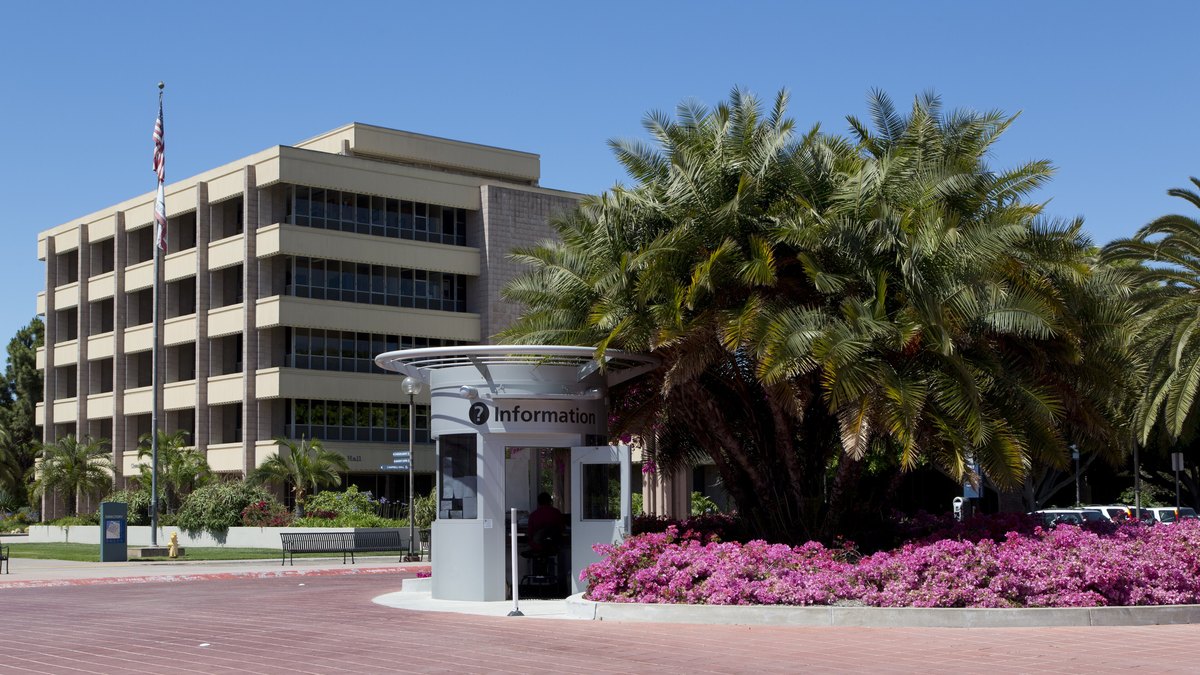
South Asian Americans are one of the fastest growing communities in the country, but scholars who study their history and lives have rarely had a place to call their own. The University of California, Santa Barbara is changing that with a new Center for South Asian American Studies, launched with a $750,000 grant from the Mellon Foundation.
The foundation reached out to the campus last August and the four-year award will build what organizers describe as the first nationally focused home for the field. The money is meant to pull together scholars who have mostly worked on their own and to train the next generation of researchers.
Two professors in the campus Department of Asian American Studies are leading the effort. Sameer Pandya chairs the department and is also a bestselling novelist. Jigna Desai is the founding director of the university's Center for Feminist Futures. Desai said it is unusual for one Asian American studies department to have two faculty members who both focus on South Asian Americans.
Filling a gap
Asian American studies programs have grown across the country over the past 20 years, yet support for research on people with roots in India, Pakistan, Bangladesh, Sri Lanka, Nepal and nearby countries has stayed thin. Pandya said the field has existed for about three decades in the space between postcolonial studies and Asian American studies without a clear home of its own. Young scholars often build careers without dedicated courses, a set path or mentors who share their focus.
One goal is to study subjects that broader Asian American research has tended to overlook. Caste is high on that list. Scholars have long examined caste in South Asia itself, but Desai said far less is known about how it follows families through migration and shapes daily life for people in the diaspora across generations in the United States and Europe.
What the money pays for
Over the next four years the center plans to spend the grant in four areas: new undergraduate courses and learning opportunities, support for graduate students, mentoring for junior professors and partnerships with projects aimed at the public. Plans include free online course materials, summer internships for undergraduates, fellowships for students finishing their dissertations and workshops to help scholars turn research into books.
The center has already held its first gathering, bringing 20 scholars from around the country to campus for a symposium on questions of power within the field. Work from those sessions is expected to feed into a planned collection of essays.
Pandya said the aim is to bring senior scholars, junior faculty and students into one lively conversation. Before the center, he said, many of them were working alone and trying to figure everything out by themselves.
More like this
Santa Barbara's Asian American Neighborhood Festival marks 17 years on the grounds of the city's old Japantown

Supreme Court will hear Asian American parents' challenge to Maryland magnet school admissions
More than 900 Asian Americans pack an Oakland briefing on the new public charge rule
Irvine City Hall photo exhibit spotlights Chinese Americans' role in U.S. history