Communities
Supreme Court will hear Asian American parents' challenge to Maryland magnet school admissions
Montgomery County parents say a lottery for gifted middle school programs cut Asian American seats. The justices will hear the case early next year.
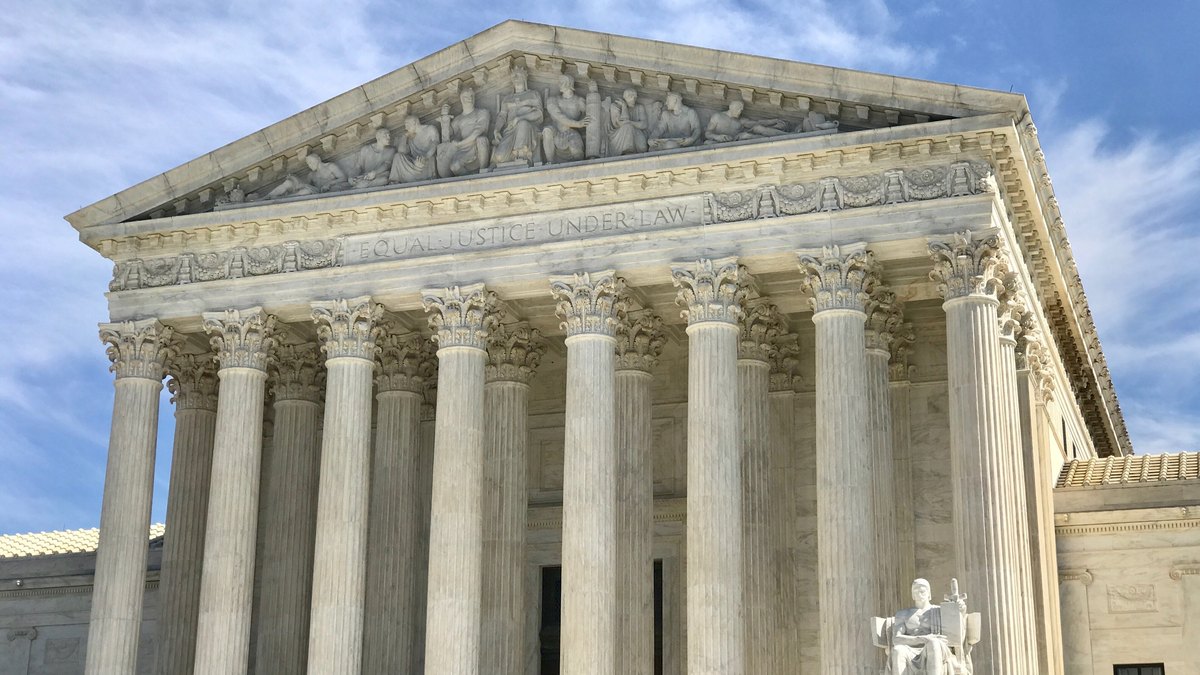
The Supreme Court said Monday that it will decide whether school districts may change admissions to selective programs in ways that shrink the number of Asian American students. The justices agreed to hear an appeal from parents in Montgomery County, Maryland.
What changed in Maryland
The county runs four magnet programs for gifted middle school students. For years about half of the seats went to Asian American students, even though they made up less than 15% of students countywide. Black and Latino students filled fewer than 15% of the seats while making up about half of the student body.
After years of debate, the school board stopped using a single countywide test. It now picks top performers from each middle school by lottery. The number of Asian American students admitted dropped.
The fight in court
A parents group called the Association for Education Fairness sued. A federal appeals court ruled against it, finding that Asian American students still won a larger share of seats than their share of enrollment. The parents asked the justices to step in and settle the question for districts nationwide. They argue that schools across the country have rewritten admissions rules after deciding they did not like the racial makeup of the students who got in.
The same appeals court sided with Fairfax County, Virginia, in an earlier fight over Thomas Jefferson High School for Science and Technology, the elite magnet school near Washington. Similar disputes have played out over selective schools in Boston and New York.
Three years after Harvard
The case arrives three years after the court ended race-conscious admissions at colleges in the Harvard decision. Evidence there showed that Asian American applicants with very high scores were often rejected. Since then districts have leaned on rules that do not mention race, such as admitting the top students from every school or giving a boost to students from poorer neighborhoods.
Supporters of the Maryland plan say it gives a break based on economic disadvantage, not race. Critics, including Justices Clarence Thomas and Samuel Alito, have called such policies disguised racial discrimination.
What is at stake
A ruling could reach well beyond Maryland. Magnet programs are common across the country, from Southern California to the East Coast. In one highly gifted program in Los Angeles, about 38% of the students are Asian American in a district where Asian students make up roughly 3.5% of enrollment.
The justices are expected to hear arguments early next year and rule by summer.
More like this
Supreme Court opens its new term with a climate fight that could reshape state power

More than 900 Asian Americans pack an Oakland briefing on the new public charge rule

Asian American voters head into the midterms with more clout but less outreach
Natalie Nakase leads the Valkyries to the WNBA Finals in only their second season