Communities
Santa Barbara's Asian American Neighborhood Festival marks 17 years on the grounds of the city's old Japantown
Taiko drums, Filipino folk dance, hula and K-pop filled El Presidio as families learned about the Japanese and Chinese neighborhoods that once stood nearby.
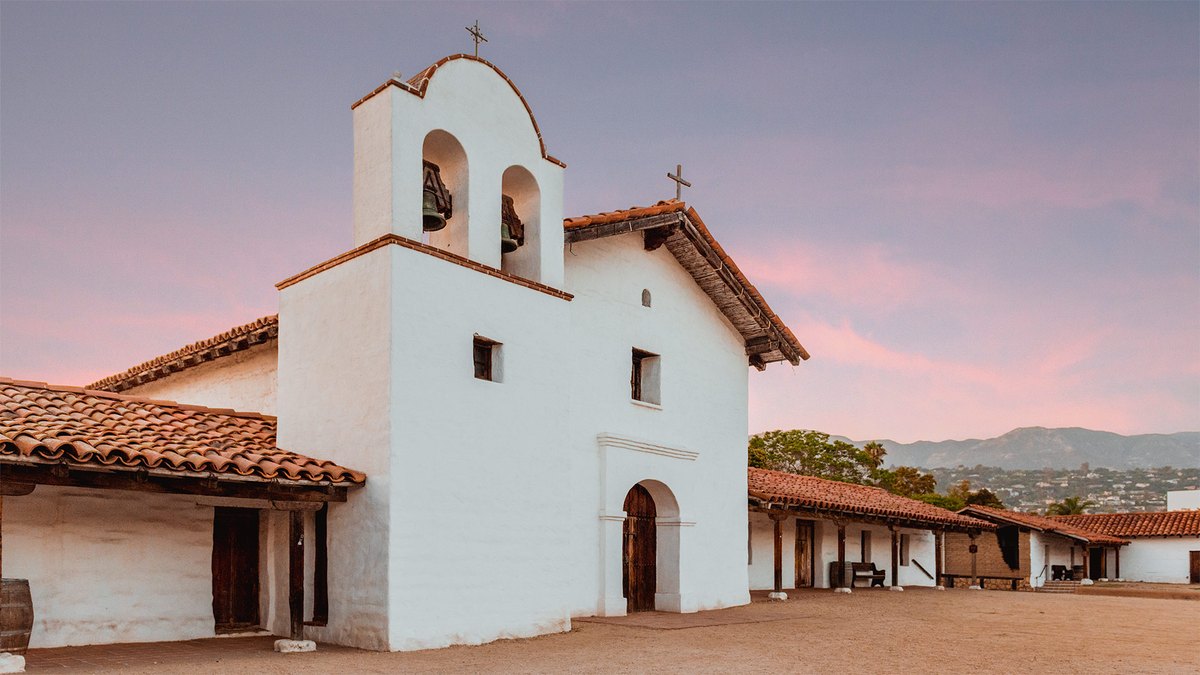
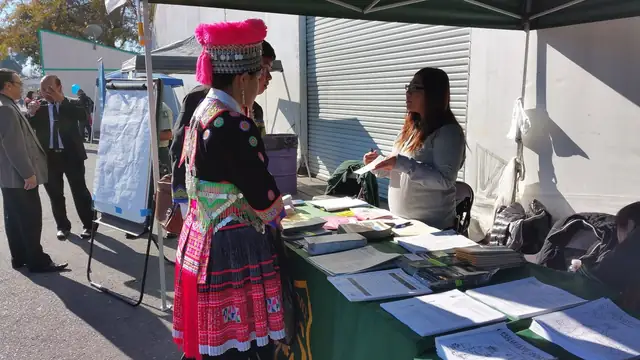
The sound of Japanese taiko drums rolled across El Presidio de Santa Bárbara State Historic Park as the Asian American Neighborhood Festival opened for its 17th year. Over a sunny afternoon the courtyard filled with Filipino folk dancers, hula performers and a college K-pop crew, giving visitors a lively tour of Asian and Pacific Islander cultures without leaving downtown.
The Santa Barbara Trust for Historic Preservation hosts the yearly gathering, which brings together performers, cultural groups, volunteers and neighbors. The site was chosen on purpose. The Presidio sits beside the blocks where the city's Chinese and Japanese American communities once lived and ran their businesses.
A wide range of cultures
Juliet Velarde Betita has helped organize the festival since it began. She said the performers are her favorite part because they show how broad the Asian American community really is. Many of the dances, she added, come from deeply rooted identities and she was grateful to see them shared so openly.
One of the most moving moments came from Lorraine Donato Twomey, a Filipino American dancer appearing at the festival for the first time. She performed a traditional dance from Benguet, a mountain province in the northern Philippines where she grew up. The dance belongs to a celebration called kanyao and is normally saved for weddings, anniversaries and good harvests.
Twomey told the crowd the dance is sacred and is rarely performed for an audience. Its sweeping arm movements copy the wings of the Philippine eagle and give thanks for the blessings of life. Born in Ventura while her father served in the U.S. Navy, she moved to the Philippines with her family after he retired. She said the only way to truly learn a people's customs is to live among them and take part in their celebrations.
Remembering Japantown
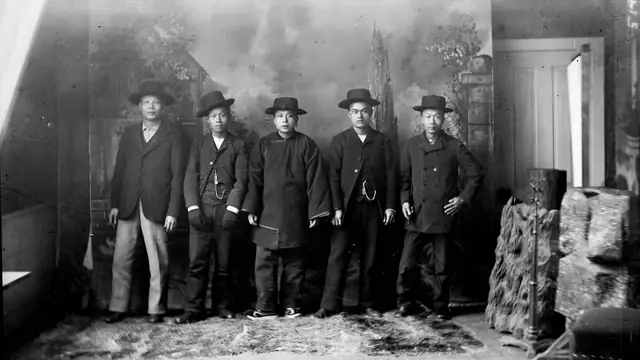
The festival also looked back. Kai Tepper Yanke, co-chair of the Asian American Affinity Group that helps run the event, reminded the crowd that the park grounds were once part of Santa Barbara's Nihonmachi, or Japantown. In the early 1900s boarding houses, barbershops, pool halls and grocery stores lined Canon Perdido Street next to the city's Chinatown.
Yanke said a Japanese church and hotel stood just past the Presidio wall and that the Buddhist church once stood right where the audience was gathered. That congregation later moved to Montecito Street. The neighborhood was torn apart during World War II, when the federal government forced people of Japanese descent from their homes and held them in camps.
Visitors could take a walking tour and browse exhibits with photos and family stories from the Chinese American and Japanese American households that once filled the area. More than a century later, the festival keeps those families' contributions in view while celebrating the traditions that are still thriving in Santa Barbara today.