
US
Supreme Court weighs whether a Hawaii prisoner can sue a federal medic in a case that could gut Bivens claims
The justices hear Nielsen v. Watanabe on Monday, a case that could decide whether people can still sue federal officers who violate their constitutional rights.
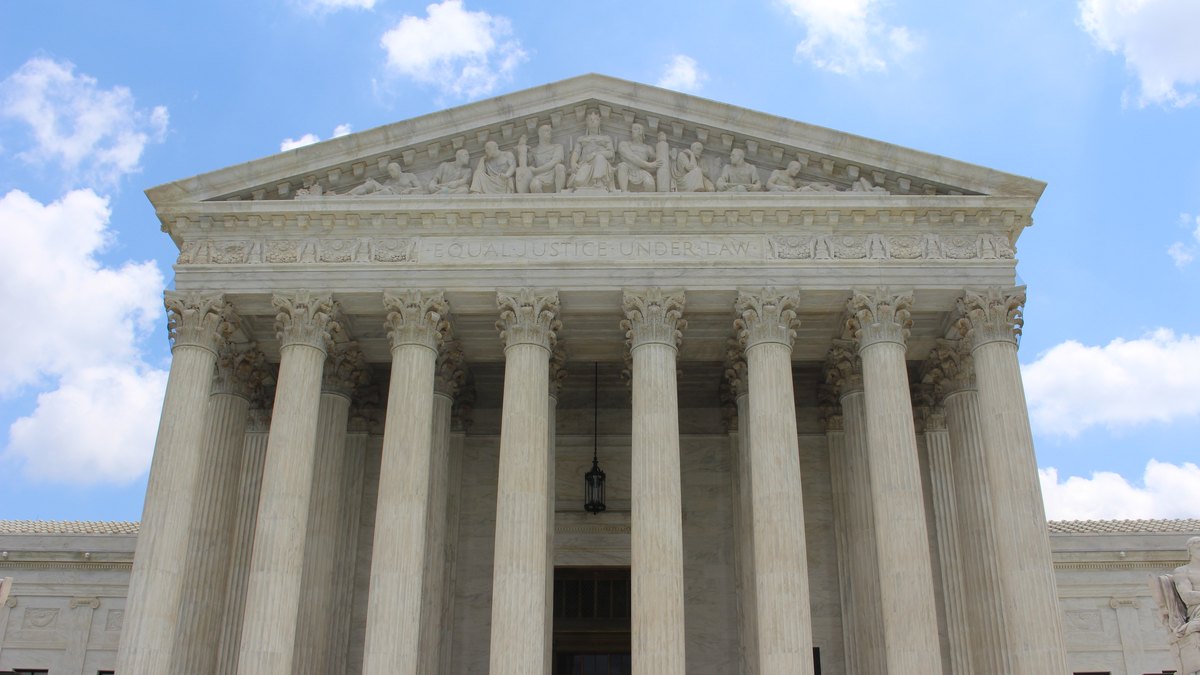
The Supreme Court hears arguments Monday in a case brought by a Hawaii man who says a federal prison medic ignored a broken tailbone, a dispute that could decide whether Americans can still sue federal officers who violate their constitutional rights.
Kekai Watanabe, now 40, was badly hurt in a gang fight at a federal detention center in Hawaii in 2021. He says he was struck with a padlock swung inside a sock. He told the paramedic who examined him that his pain was a 10 out of 10, but he says he got only over-the-counter painkillers and was told to stop acting like a crybaby.
Watanabe says he then spent more than two months in solitary confinement without seeing a specialist. An X-ray taken seven months after the fight showed a fractured tailbone with bone chips lodged in the surrounding tissue. He sued the medic, Francis Nielsen, claiming cruel and unusual punishment under the Eighth Amendment.
A 1971 ruling on the line
In 1971 the court ruled in Bivens that people could seek damages from federal agents who violate the Constitution. It has extended that right only twice since, including a 1980 case over a federal prisoner who died after guards failed to treat his asthma. In recent years the justices have refused to expand it again. Justice Clarence Thomas has written that the court would not create such a right today.
A federal judge in Honolulu threw out Watanabe's suit, finding his case too different from the 1980 asthma case. A divided federal appeals court revived it, saying the two cases match in every way that counts. Nielsen, backed by the administration, now asks the justices to end the case. His lawyers also invite the court to shut the door on these claims entirely.
Two views of accountability
A former Justice Department lawyer who spent decades reviewing such claims argues that Bivens has been hollowed out and gives plaintiffs false hope. She says she knows of just one winning judgment in 20 years that survived appeal.
Civil rights lawyers counter that the threat of personal liability still deters abuse and that settlements never show up in that count. One brief notes that federal inmates win changes through the prison grievance system only about 1% of the time.
Georgetown law professor Steve Vladeck says the case asks whether the country will hold federal officers responsible when they break clearly established rights. Supporters of Watanabe point to complaints about immigration agents as proof that the timing could not be worse to close one of the few remaining paths to accountability. Both sides agree Congress could create a clear right to sue, but lawmakers have not acted. A ruling is expected by the end of June.
More like this
Justice Alito says he will not retire before the Supreme Court term ends

Trump names White House panel to decide whether to fire Fed Gov. Lisa Cook
Supreme Court opens its new term with a climate fight that could reshape state power
Supreme Court will hear Asian American parents' challenge to Maryland magnet school admissions