Politics
Asian American voters head into the midterms with more clout but less outreach
About 16 million Asian American and Pacific Islander voters are eligible this year. Organizers say rising costs and immigration fears top their concerns.
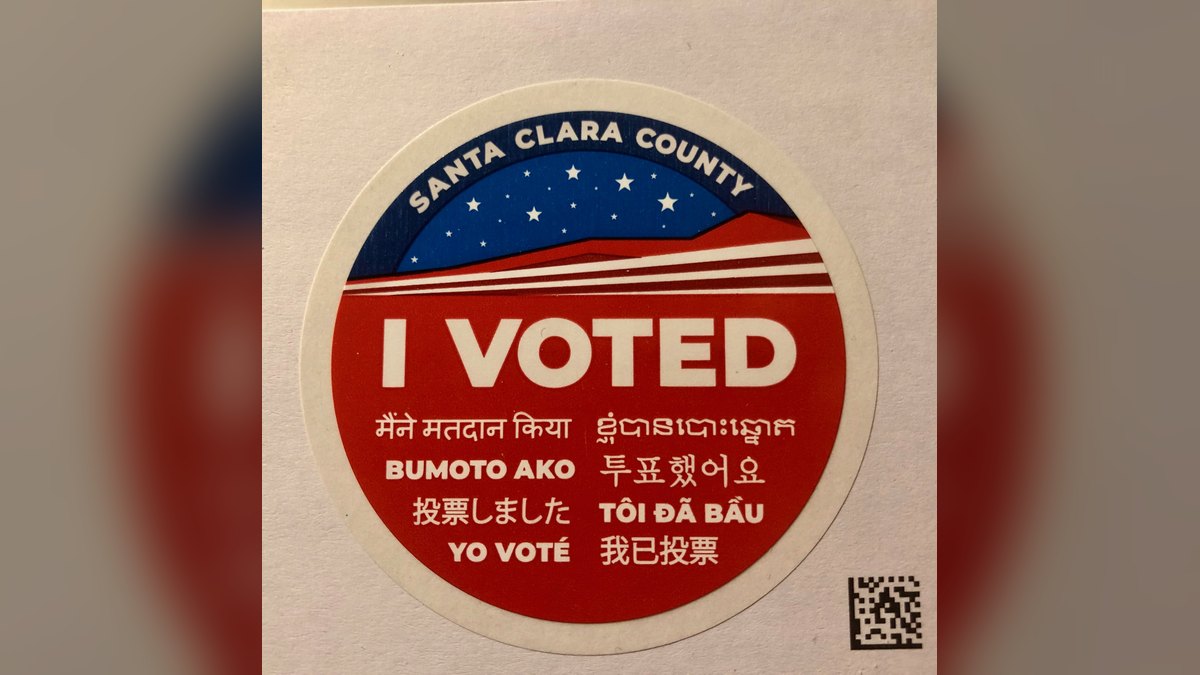
Asian American and Pacific Islander voters are one of the fastest growing groups in the electorate. About 16 million are eligible to vote this year, including 1.6 million who became eligible since the last midterms in 2022. Community leaders say many of them still hear little from campaigns.
In a briefing for community reporters this week, organizers and researchers said 90 percent of registered AAPI voters plan to take part in the Nov. 3 election. They cautioned that plans do not always turn into ballots.
Costs and fear on their minds
The cost of living is the top concern by far. In a 2026 survey of these voters, 90 percent of Asian Americans and 89 percent of Pacific Islanders called it very or extremely important to their vote. Researcher Karthick Ramakrishnan said worries about groceries, health care and housing reach well beyond families in poverty.
Immigration enforcement is weighing on the community too. Ramakrishnan noted that most Asian Americans were born outside the U.S., unlike any other major racial group. He said 41 percent of AAPI adults either carry immigration papers with them now or know someone who does. Support for deporting all undocumented immigrants has also dropped since late 2024.
Knocking on doors with less money
Mary Lou Akai Ferguson of the Asian American Power Network said groups in her network had knocked on about 450,000 doors and held more than 85,000 phone conversations. She said funding is far lower this year than in any past cycle. That cuts the early outreach that matters most for younger voters and people who rarely vote.
Groups have gotten creative. In Georgia they host casual Chai and Chat meetups in coffee shops and tea houses where people can ask basic questions about government. Ferguson said that is how organizers connect a strained budget to down-ballot races such as utility regulators.
Shekar Narasimhan of the AAPI Victory Fund said campaigns pay far more attention to the community than they did 10 years ago. His group is focused on Alaska, Georgia, Michigan and Texas. In Alaska, Filipino communities in places like Kodiak and Ketchikan can make a real difference in a small electorate.
Rules and rumors
Christine Chen of APIA Vote said changing ID rules, mail ballot limits and new deadlines make voting harder to figure out, even for people who have voted before. Her group and its partners have sent translated election guides to more than a million households and offer help by phone in several languages.
Many in the community vote early or by mail. The survey found 45 percent prefer to vote in person, 34 percent by mail and 15 percent by dropping off a ballot. Family and friends ranked as the most trusted source of election information.
Chen recalled that her own relatives took her to vote when she turned 18 and then out to eat to celebrate. She said elders can help young voters the same way this year.
More like this

Texas Indian Americans face nativist spotlight as midterms near

Amihan Matias sets goals as new leader of the Massachusetts AAPI Commission

AAPI Data report: immigration enforcement reshapes Asian American and NHPI life

More than 900 Asian Americans pack an Oakland briefing on the new public charge rule