
Communities
A new study says data centers are 4.2 times more likely to land in Asian American neighborhoods
Researchers found Asian American neighborhoods are far more likely than White ones to have a data center nearby, with similar gaps for Hispanic and Black areas.
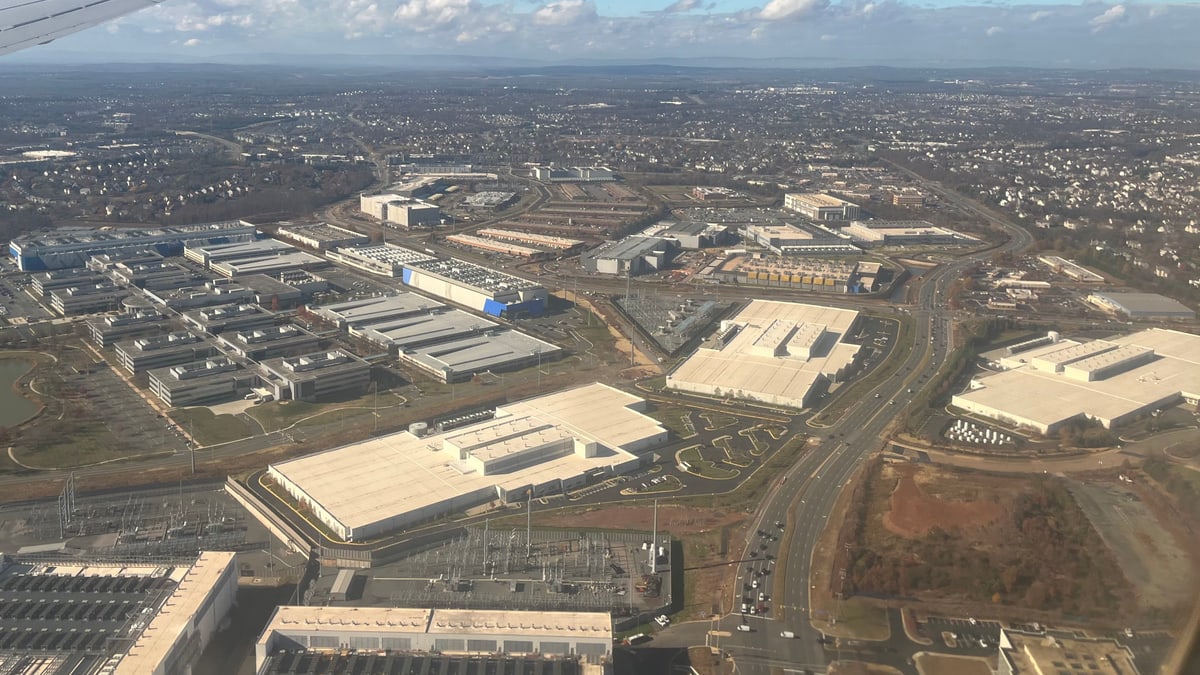
Majority Asian American neighborhoods are 4.2 times more likely to have a data center nearby than White neighborhoods, according to a new study from researchers at American University and George Washington University.
Samantha Bradshaw of American University and Dhanaraj Thakur of George Washington University found data centers are disproportionately located in communities of color, with Asian American neighborhoods the most likely to have one nearby, AsAmNews reported Thursday. Majority Hispanic neighborhoods are 2.6 times more likely and majority-Black neighborhoods are 2.2 times more likely to host a data center than White neighborhoods. People of color make up an average of 44% of residents in data center neighborhoods, compared with 38% in neighborhoods without them.
Bradshaw lives in what's known as Data Center Alley in Virginia and described the constant hum of generators as "noise pollution." She pointed to two areas with higher concentrations of Asian Americans that also have a disproportionate number of data centers: Silicon Valley in the San Francisco Bay Area and the Northern Virginia counties of Fairfax and Loudoun.
Thakur told AsAmNews the pattern matches a historical redlining map of the United States. "If you're in or near communities of color, then yes, you're going to have these kinds of impacts," he said. He also raised the possibility that nearby home prices could fall.
Voters soured on new data centers this fall
Data centers became a midterm issue, with many voters saying they did not want new ones in their area because of water use and higher utility rates. An Annenberg Public Policy Center survey released in August found 61% of U.S. adults oppose building new data centers nearby, up 12 percentage points from the same question in February and March.
A poll by Asian Americans Advancing Justice - AAJC around the midterms found 54% opposed new data centers and 70% of communities support more federal regulation of AI. "You couple that concern about AI with this economic concern, our communities are feeling they're left further behind," AAJC executive director John Yang said during a panel discussion of the study Thursday.
The researchers cited figures showing investment in data centers doubled from 2022 to 2024 to $500 billion, with big tech companies investing $750 billion between 2025 and 2026. Bradshaw said the tax revenue those sites are supposed to bring does not always return to the local neighborhoods or counties and is often distributed at the state level. Thakur argued that discussions of utility rates and other impacts should also consider race, which he said is missing from much of the public debate.
More like this
A New York apartment building now runs on one of the biggest batteries in any U.S. home

For the first time Asian Americans will hold all three of Los Angeles' citywide elected offices

Santa Barbara's Asian American Neighborhood Festival marks 17 years on the grounds of the city's old Japantown

Ted Lieu is elected the first Asian American chair of the House Democratic Caucus