US
Researchers find graves of more than 1,000 children at juvenile detention sites across 29 states
Georgetown's Forgotten Children Initiative is identifying children who died at reform schools. The largest site holds more than 230 Black boys buried near a Maryland facility.
For years, families across the country did not know that relatives had died as children inside reform schools and juvenile detention centers. Now researchers are finding them.
Georgetown University's Center for Youth Justice has identified the graves of more than 1,000 children across 29 states through its Forgotten Children Initiative, which since February has been working to identify children who died at 40 reform schools and youth detention centers, and to locate their surviving families.
The largest burial site
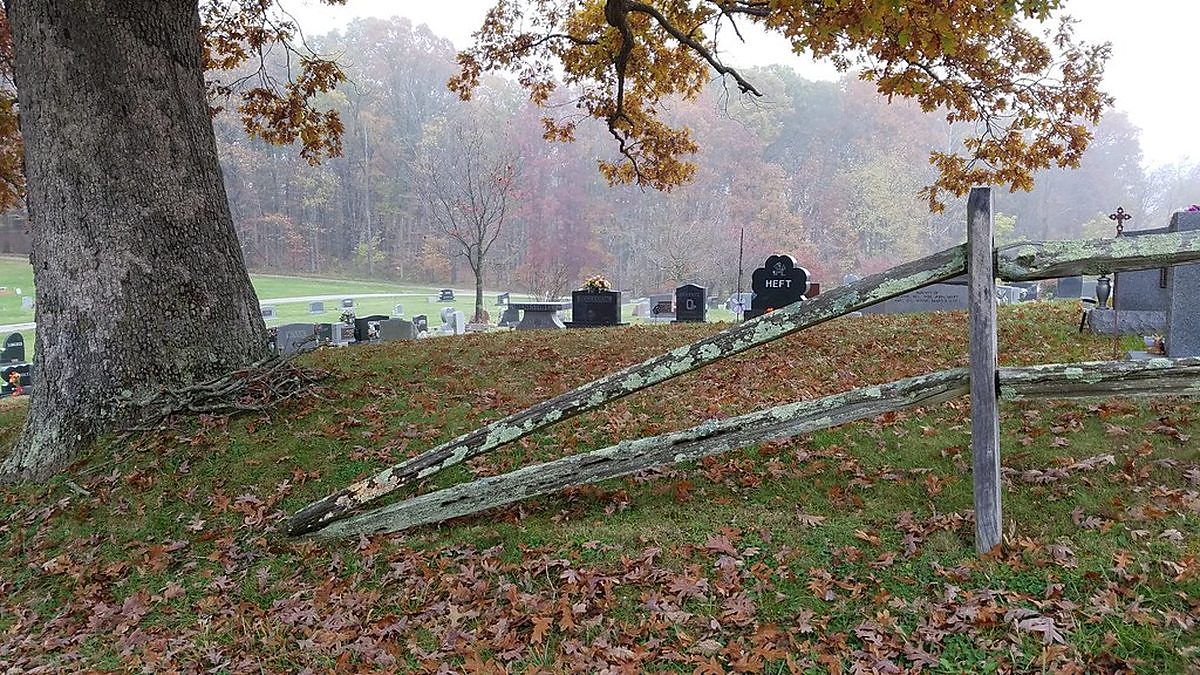
The largest site is in Cheltenham, Md., across the street from what is now the Cheltenham Youth Detention Center. More than 230 Black boys are buried in the woods there. The small headstones are easy to miss in the fall, when they seem to sink into the leaves.
The facility opened in 1870 as the House of Reformation and Instruction for Colored Children, the first juvenile detention facility for Black children in the American South, according to the Georgetown researchers. It was created to move Black youth out of adult prisons. Children as young as 5 were held there, for crimes and for reasons that were not crimes at all, including being poor, homeless or orphaned.
A Maryland Department of Juvenile Services report found the boys were forced to work without food and were disciplined by white guards with a "brass-studded belt." In the 1920s they were leased to nearby farms, with the institution keeping most or all of their pay.
A family learns the truth
Researchers have linked 16 families to children who died at the Cheltenham facility. One of them is Veronica Spears, who learned from a letter that her grandfather had a brother who died there at age 12. "We never knew," she told NPR. The family was told he died of tuberculosis in 1917.
Her cousin Chuck Copeland, a pastor, hiked through the woods in late September and stopped to read a headstone: "Thirteen years old from Baltimore, Mark Davis, 1885." "He didn't count for nothing. He meant nothing to them," Copeland said.
A national reckoning
Marc Schindler, a former senior official at the Maryland Department of Juvenile Services who was there when the state rediscovered the burial ground in 2024, now leads the research at Georgetown. His team has found graves tied to institutions from Salem, Ore., to Augusta, Maine. Some sit beside detention centers that are still operating.
"I'm hopeful that in states around the country, people will step forward and we can see an appropriate response to what I think is unquestionably a national tragedy," Schindler said.
Some states have started to respond. Florida lawmakers created a $20 million fund for survivors of an infamous reform school that closed in 2011. Arkansas built a memorial to 21 Black boys who died in a 1959 fire at a correctional facility. This year Maryland created a commission, housed in the attorney general's office and including family members, to identify every child buried at Cheltenham.
For descendants, the work is about names and dignity as much as history: making sure children who were treated as if they did not count are finally counted.