
Politics
HUD finalizes rule that could push mixed-status immigrant families out of public housing and voucher programs
A rule published Thursday makes every household member prove citizenship or legal status. Critics say thousands of U.S.-born kids could lose their homes.
The Department of Housing and Urban Development has finalized a rule that will require every person living in federally assisted housing to prove they are a U.S. citizen or have eligible immigration status. The rule was published in the Federal Register on Thursday and takes effect Dec. 14.
The change targets so-called mixed-status families, households where some members are eligible for help and others are not. For decades those families have been allowed to stay in public housing or keep a voucher while receiving a smaller, prorated subsidy that covers only the eligible members.
Under the new rule that prorated aid becomes temporary. It can continue only while a family's paperwork is being checked. If a household cannot show that everyone is eligible, its assistance can be cut off. Local housing agencies may delay a termination for up to 18 months to give families time to find somewhere else to live.
Who could be affected
The rule covers public housing, the Housing Choice Voucher program and project-based rental aid. Verification now applies to applicants and current tenants of every age. People who say they are citizens must provide documents to back it up.
Advocates warn the fallout could land hardest on children. Many of the eligible members in mixed-status homes are U.S.-born kids. Public comments cited in the rule pointed to an estimate that about 80,000 people, including roughly 37,000 children, could lose stable housing. Some commenters said the number could climb far higher.
Families in these programs tend to earn very little. Commenters noted that the average mixed-status household earns about $27,000 a year and said many would struggle to find an apartment on the private market. Local governments could face new costs for shelters, schools and health services.
The department's case
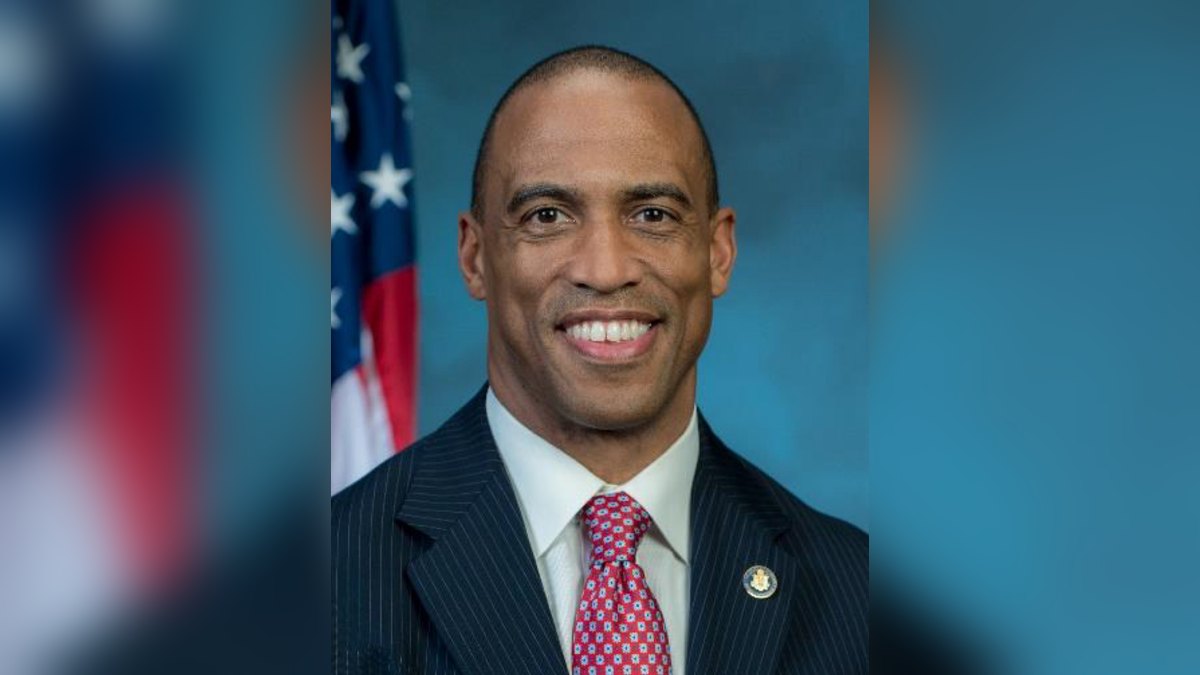
Housing Secretary Scott Turner said the rule makes sure taxpayer-funded housing goes to people who are eligible under the law. He argued that veterans, older adults, people with disabilities and domestic violence survivors are stuck on long waitlists while ineligible residents receive aid.
The department said a review with immigration officials found nearly 200,000 tenants whose eligibility records were incomplete or unknown. It also noted that federal housing aid already reaches only about a quarter of the households that qualify for it.
The agency received more than 16,000 public comments on the plan before finalizing it. Housing agencies will have 30 days after the effective date to notify tenants about the new requirements. Legal challenges from tenant groups and states are widely expected.
More like this

USDA proposes a SNAP rule that would cut off food aid for 6.3 million people

Gen Z candidates from both parties make the high cost of housing the heart of their campaigns

Jasmine Crockett calls out Nicki Minaj for using her huge platform to boost MAGA

Supreme Court lets border wall construction resume in Texas' Big Bend region over one dissent