
Politics
USDA proposes a SNAP rule that would cut off food aid for 6.3 million people
A proposed rule would end broad-based categorical eligibility in food stamps and could also cost 1.8 million children automatic free school meals.
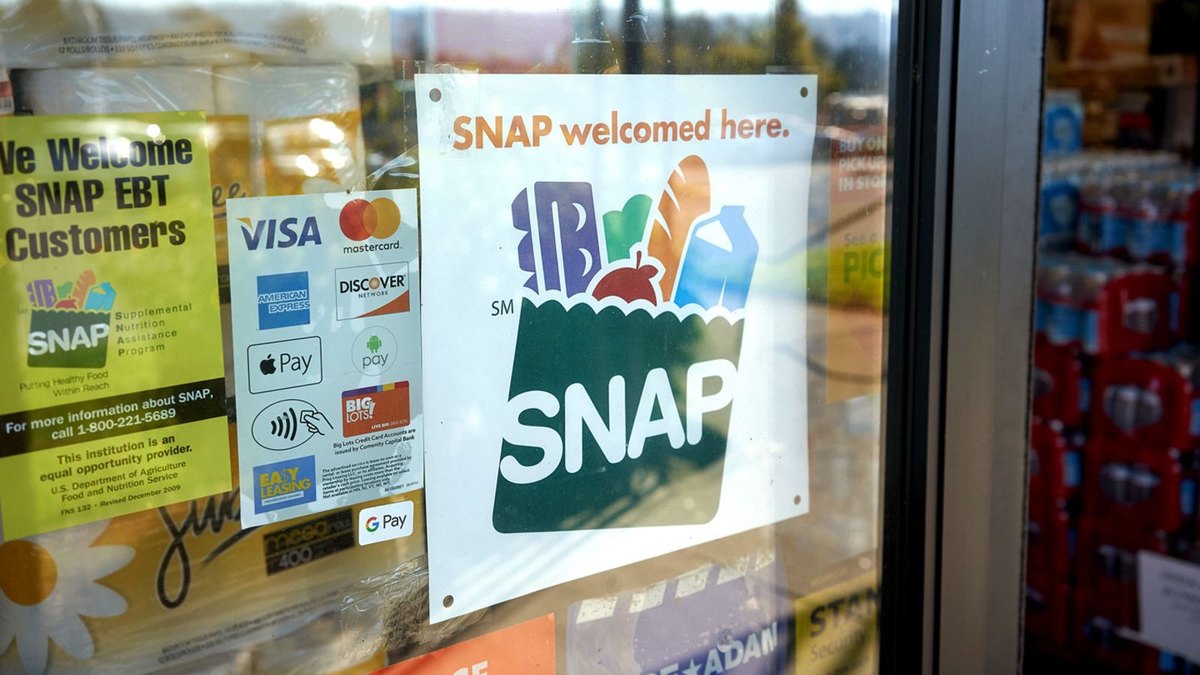
About 6.3 million Americans could lose their food stamp benefits under a rule the Agriculture Department formally proposed Tuesday. The agency's own analysis says nearly one in five people now enrolled in the Supplemental Nutrition Assistance Program would no longer qualify once the change takes full effect in fiscal year 2029.
The proposal would roll back a long-standing option known as broad-based categorical eligibility. Forty-six states use it to let families qualify for food aid if they receive certain low-cost services funded by the federal Temporary Assistance for Needy Families program, such as child care help or job training.
Who would be affected
Under that option many states set higher income limits than federal rules allow and drop tests on savings or cars. That helps working families who earn a little above the federal cutoff of about 130% of the poverty line. The new rule would grant automatic eligibility only to households getting actual TANF cash or ongoing support. Roughly 3.2 million households would be pushed out.
The effects would reach beyond grocery money. SNAP enrollment opens the door to other nutrition help, so about 1.8 million children would lose automatic access to free school meals. The department said nearly all of those kids could still get free or reduced-price lunches if their parents fill out a separate application. About 16,500 women, infants and children would need to apply on their own for the WIC program while another 5,500 would no longer be eligible.
The case for the change
Department officials say the option has drifted far from what Congress intended when it let households skip duplicate paperwork. In the rule they argue that states expanded it widely after 2009 with federal encouragement and that the share of recipients above federal income or asset limits has grown to about 17.6%. They estimate the change would save $44.6 billion from 2027 through 2031 and target help to the neediest families.
Ending the policy has been a Republican goal for years. The first Trump administration tried a similar rule in 2019. It also appeared in the Project 2025 blueprint for a second term.
Critics push back
Anti-hunger groups warn the extra paperwork would trip up families who still qualify, including immigrant households afraid to draw attention to themselves. Rep. Angie Craig of Minnesota, the top Democrat on the House Agriculture Committee, called the plan heartless and cruel. She said it would make basic needs harder to meet.
The program has already shrunk. More than 5.5 million people have dropped off SNAP since the 2025 tax and spending law cut federal funding, tightened work rules and shifted new costs onto states. Enrollment now sits near 36 million people.
What happens next
The rule is only a proposal for now. The public has until Dec. 10 to send comments before the department can finalize it. Lawsuits from states or advocates are likely if it moves forward. Families who use SNAP do not lose anything today and can keep applying under current rules.
More like this

Montana is first to enforce Medicaid work rules and enrollees say they're confused

The US birth rate falls to its lowest point ever even as more women in their 30s and early 40s become moms

More new dads are taking paid time off to bond with their babies as men now file half of California's claims

Haley Stevens dodges Anderson Cooper on her Rogers switch while James Carville tears into her