
Politics
House sets final vote on Major Richard Star Act to give combat-wounded veterans their full retirement pay
A rare discharge petition forced the bill to the floor. It would let about 60,000 medically retired combat veterans get retirement and disability pay in full.
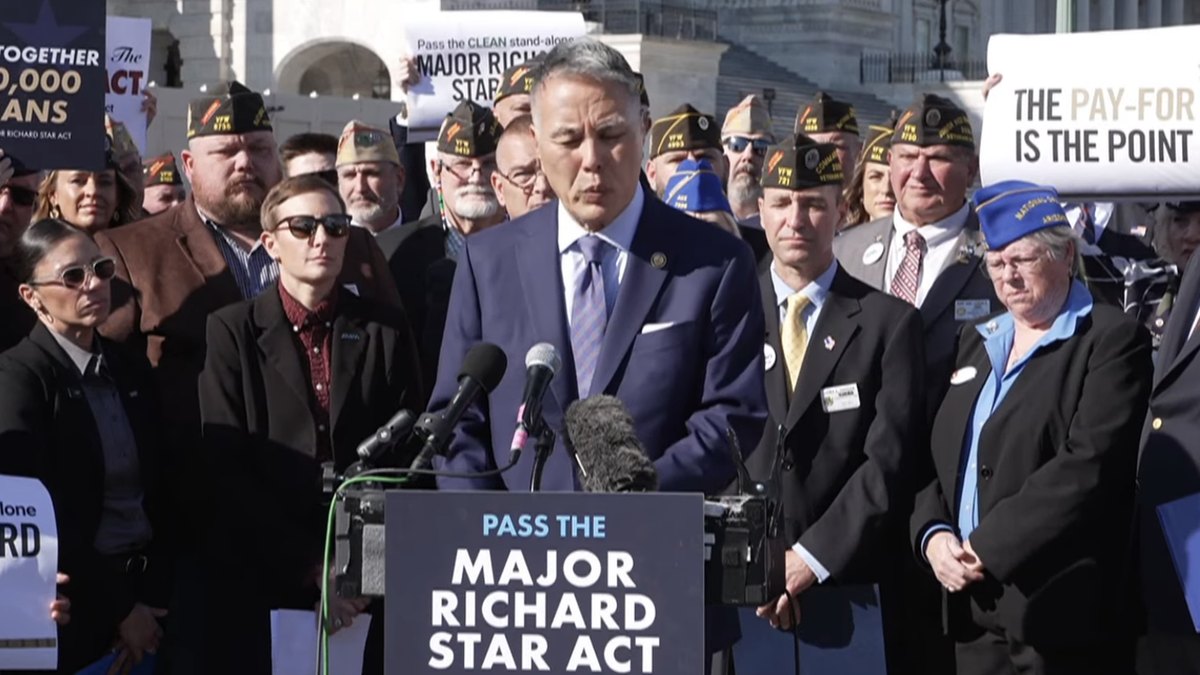
Combat-wounded veterans who were pushed out of the military by their injuries could be one big step closer to getting their full benefits. The House is set to hold a final vote Thursday on the Major Richard Star Act after lawmakers used a rare procedural move to get around party leaders who had kept it off the floor.
On Veterans Day the House voted 245 to 175 to discharge the measure, which sets up the up-or-down vote on the bill itself. Every Democrat who voted supported the move along with 34 Republicans. Most Republicans voted no. That group included 94 who had signed on as cosponsors.
Ending what backers call a wounded veteran tax
Under current law troops who were forced into medical retirement by combat injuries before reaching 20 years cannot collect their full military retirement and their full disability compensation at the same time. For every dollar they receive in disability pay, a dollar comes out of their retirement check.
The bill would end that offset so those veterans receive both payments in full. Supporters say about 60,000 veterans would benefit. It is named for Army Maj. Richard Star, a combat veteran who pushed for the change before he died in 2021.
The measure has been one of the most popular bills in Congress for years. More than 340 House members from both parties have signed on as cosponsors. Major veterans groups back it too, among them the VFW, the American Legion, the Wounded Warrior Project and Disabled American Veterans.
How it got here
Rep. Mark Takano of California, the top Democrat on the House Veterans' Affairs Committee, led the push to force the vote. Rep. Gus Bilirakis, a Florida Republican, is the bill's lead sponsor. The discharge petition reached the 218 signatures it needed in September when Rep. Nancy Mace of South Carolina added her name.
Some Republicans have objected to the price. A budget watchdog group puts the price tag above $10 billion across a decade. Rep. Mike Bost of Illinois, the Republican chairman of the veterans committee, has offered a package that would pay for the change by cutting future disability payments for some conditions such as tinnitus and sleep apnea. Veterans groups have rejected that trade.
Even if the House passes the bill, time is short. Sen. Richard Blumenthal of Connecticut leads a Senate version that 80 senators support, yet that chamber has no discharge petition and past efforts to fast-track it there were blocked by objections. Any bill that does not clear both chambers before the current Congress ends in early January will have to start over.
More like this

Retired Navy admiral Eileen Laubacher unseats Lauren Boebert in Colorado's most conservative House district

Trump puts the Russia sanctions law he signed last month on hold

Nancy Mace's former fiancé and two other men charged in 2018 Sullivan's Island case

Sen. Chris Murphy hospitalized with a stroke after arm went numb at son's hockey game