Politics
Trump puts the Russia sanctions law he signed last month on hold
Two days before key tariffs on Russia were due, Trump waived them in the national interest. Lawmakers in both parties say the move helps Moscow.
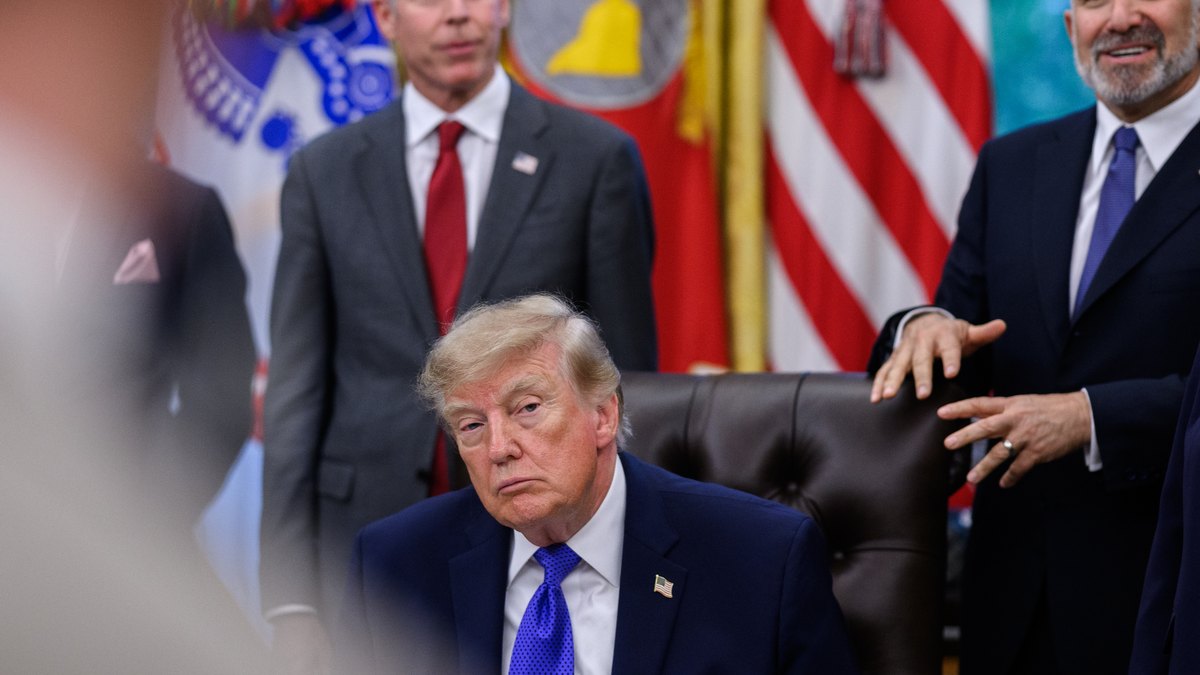
President Donald Trump late Friday signed an executive order freezing the heart of a new law meant to squeeze the Russian economy over the war in Ukraine. He told Congress the pause was in the national interest of the United States. The waiver arrived just two days before the law said the penalties had to start.
What the law required
The measure is named for the late Sen. Lindsey Graham of South Carolina, a close Trump ally who died suddenly in July soon after a trip to Ukraine. Lawmakers rallied behind it after his death. The House passed it on Sept. 16 and Trump signed it two days later.
Within 30 days the law called for duties of up to 500 percent on every Russian import. It also directed tariffs of up to 100 percent on the largest buyers of Russian oil and gas, a list that includes China and India. Those are the two pieces Trump has now set aside. Sanctions already in place under earlier executive orders stay in force. The law also gave the president power to target Russian officials, banks and the shadow fleet of tankers that keeps Russian energy flowing.
The White House posted the decision late in the evening and did not explain why the pause serves the country. A report laying out the reasons was sent to Congress.
Sharp reaction
Sen. Richard Blumenthal of Connecticut, who wrote the bill with Graham, accused the president of siding with Vladimir Putin over most Americans, both chambers of Congress and European allies. Rep. Don Beyer of Virginia urged Congress to rewrite the law so the president cannot back away from it.
In Moscow, Putin's economic envoy Kirill Dmitriev praised the waiver as a historic moment for talks between the two countries. Ukrainian President Volodymyr Zelenskyy warned in Brussels that relief on one product tends to lead to relief on the next, from energy to banks to industry.
Part of a wider shift
The move follows a deal announced last week for the United States to buy Russian diesel to ease fuel prices driven up by the Iran war. Under that plan Russia would send more than 300,000 tons right away and 500,000 tons in November, then 1 million tons after that. The administration has also waived sanctions on Russian diesel exports through April 2027. Critics in both parties say the deal props up Moscow and will do little to bring prices down.
The decision lands two and a half weeks before the Nov. 3 midterms, with Republicans defending thin majorities in both chambers. In South Carolina it puts Sen. Darline Graham, the late senator's sister, in an awkward spot. She has campaigned on helping pass her brother's bill and is expected to appear with Trump next week. In a debate last Sunday she said it was up to the president how to use the tools the law gives him.
Critics want Congress to step in, but changing the law would take fresh votes in both the House and the Senate.
More like this
Trump calls Ukraine's renewed strikes on Russian refineries a 'disgrace'
Trump's Russian diesel deal sparks clash with Zelensky as strikes kill 20 in Zaporizhzhia
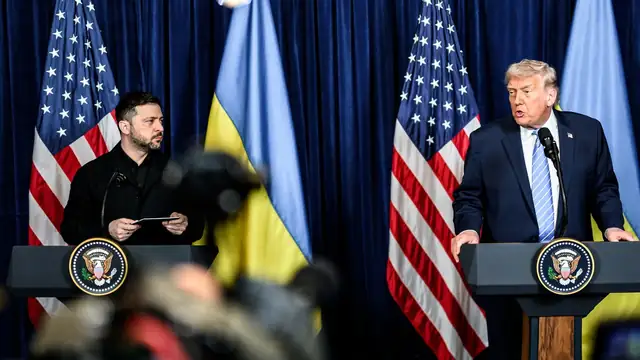
Trump warns Zelensky over strikes on Russian refineries and says Ukraine needs a new leader
Judge extends block on White House ban of reporters from three news outlets