
Communities
Tiffany Koyama Lane, the first Asian American woman on Portland's City Council, asks District 3 for another term
Tiffany Koyama Lane, the first Asian American woman elected to Portland City Council, is running again in District 3 with a focus on gig workers.
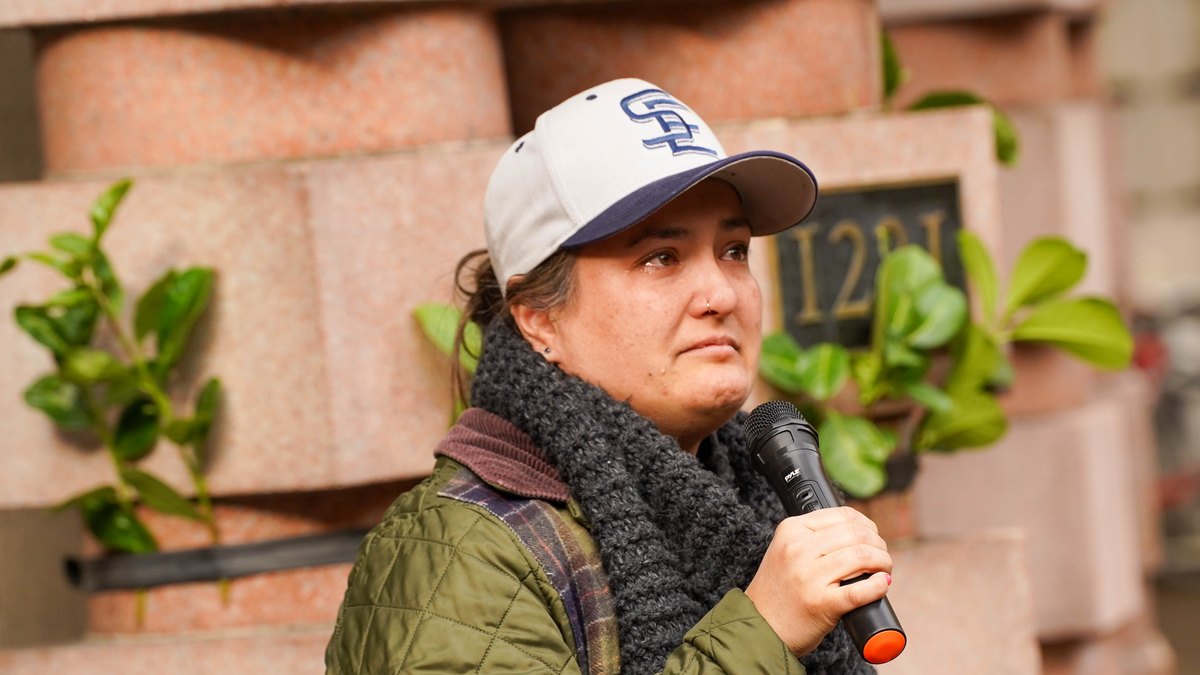
Tiffany Koyama Lane made history in 2024 when she became the first Asian American woman elected to the Portland City Council. Now the former schoolteacher is asking voters in the city's District 3 to send her back for another term.
Local political watchers expect most incumbents, including Koyama Lane, to keep their seats. District 3 is among the wealthier parts of Portland and tends to lean left.
If she wins, Koyama Lane says she wants the council to take a bigger role in shaping the budget. Over the past two cycles, she says, the mayor has driven most of the debate and most of the decisions. She hopes councilors can find common ground as a majority and give clearer direction on policy and spending.
Standing up for gig workers
A big part of her pitch is protecting app-based and domestic workers. She often talks about a neighbor, a refugee from Afghanistan who drove for Lyft for years. When his account was suspended, she says, he could never reach a real person to sort it out.
Koyama Lane says the city can do much more for immigrant and refugee families. One idea is a resource center for rideshare drivers like the one Seattle created.
A record in office
During her first term she has focused on traffic safety and equity. She helped pass measures that bar housing discrimination against polyamorous families. She also backed renaming Chavez Boulevard as Campesinos Boulevard. Drawing on her years in the classroom, she supported a countywide push for universal preschool.
She and fellow councilor Angelita Morillo are both members of the Democratic Socialists of America.
Building trust
Koyama Lane admits many Portlanders do not feel city government represents them. She says local officials have a duty to be reachable. She keeps a district office, sends a newsletter every Friday and holds in-person meetings each month.
She describes her job as carrying the energy of neighborhoods and community movements into City Hall, then bringing City Hall back out to the district.
Fixing the streets
Road repairs are one of the most common complaints she hears. A new funding stream is set to start in 2027 and she wants to find more. Her ideas include a fair share tax on large corporations that profit from Portland, which she says could ease the load on small businesses. She also wants children, elders and advocates at the table as the city works toward zero traffic deaths.
More like this

Asian American voters head into the midterms with more clout but less outreach

Asian American adults now trust Democrats more on the economy as GOP support fades, poll finds
More than 900 Asian Americans pack an Oakland briefing on the new public charge rule

Eureka unveils a Chinatown monument 141 years after its Chinese residents were expelled