Communities
Filipino American History Month 2026 puts overlooked stories at the center
This October's theme from the Filipino American National Historical Society spotlights women, LGBTQ+ pioneers, Indigenous and Muslim Filipinos, Blackapinos and others often left out of the history books.
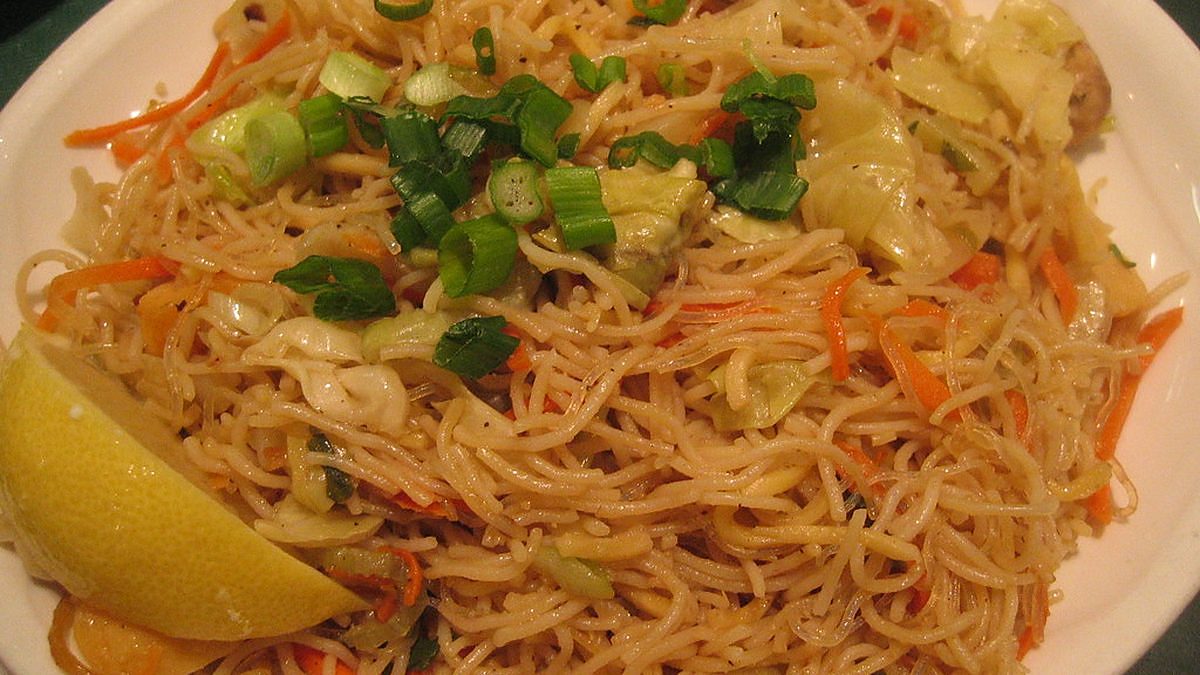
October is Filipino American History Month, and this year the Filipino American National Historical Society is asking Americans to look past the familiar headlines to the people history has tended to leave out.
The 2026 theme centers "the contributions, struggles, and lived experiences of Filipino Americans whose stories have been typically overlooked, underrepresented, or excluded from traditional historical narratives," including women, LGBTQ+ people, Indigenous Filipinos, Moro and Muslim Filipinos, people with disabilities, multiracial Filipinos, undocumented migrants and adoptees.
Why October
The month marks the first documented arrival of Filipinos in what is now the continental United States, when "Luzones Indios" aboard a Spanish galleon came ashore at Morro Bay, Calif., on Oct. 18, 1587. Filipino Americans, more than 4 million strong, are today one of the largest Asian American groups, with deep roots in California, Hawaii, Washington, Nevada, New Jersey and Illinois, and a long tradition of service in nursing and the U.S. military.
Stories worth knowing
The historical society, founded in Seattle in 1982 by Fred and Dorothy Cordova, points to examples that deserve wider attention:
Filipina women in the early 1900s who built community among migrant farmworkers in Stockton, Delano, Seattle, Hawaii and Alaska.
Rosemary Bamburger, a founder of the Daughters of Bilitis, the first known lesbian organization in the U.S., and Richard Adams, half of one of the first same-sex couples to marry legally in the 1970s and sue for federal recognition.
Jose Rizal Elfalan, a Tuskegee Airman with a Filipino father and a Black mother, whose story highlights "Blackapinos," Americans of Black and Filipino heritage.
Olympic diving champion Vicki Manalo Draves and R&B singer Sugar Pie DeSanto, whose multiracial identities are often overlooked.
Josefina Guerrero, a World War II heroine who lived with leprosy and later advocated in the U.S. to destigmatize the disease.
The roughly 1,200 Indigenous Filipinos displayed at the 1904 St. Louis World's Fair, most of whom remain unnamed.
Why it matters now
The society says celebrating these histories is especially important "during a time in which diversity, equity, and inclusion efforts are being erased," and frames the theme as a way to build solidarity within and between communities.
Schools, libraries and Filipino American community centers across the country are hosting talks, film screenings, food festivals and family history workshops throughout the month. For families, organizers suggest a simple start: ask the elders at the table to tell their story, and write it down.