
Communities
A Korea-China trade deal raises cautious hopes of easing Beijing's ban on K-culture
China agreed to fairer treatment for Korean films and games and to wider co-productions, but K-pop concerts were not specifically included.
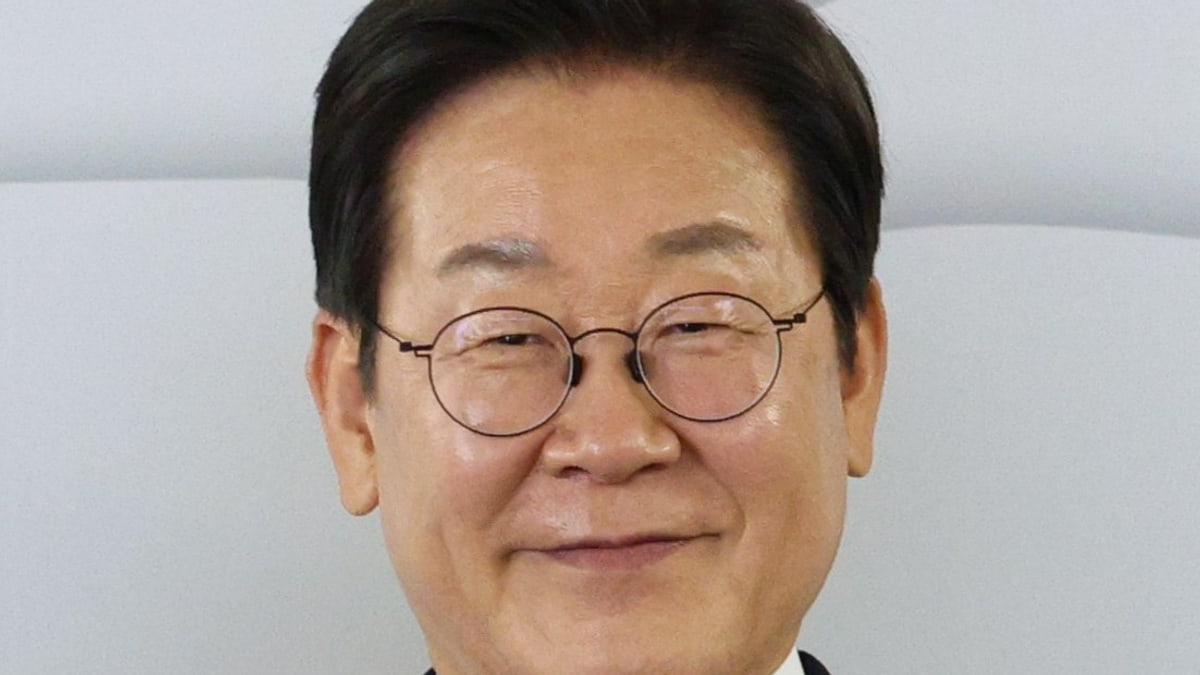
South Korea's entertainment industry is cautiously asking whether a new trade deal with China could finally loosen Beijing's unofficial ban on Korean pop culture, or whether the promises will stall again.
South Korea and China announced Wednesday that they had reached a substantive conclusion of talks on services and investment under their bilateral free trade agreement, after eight years and eight months of negotiations, Yonhap News Agency reported Thursday. The announcement followed a summit in Shenzhen between South Korean President Lee Jae Myung and Chinese President Xi Jinping.
Under the deal, China will grant South Korea most-favored-nation treatment in the film and gaming sectors, meaning Korean companies would receive treatment no less favorable than firms from other countries. Beijing also agreed to apply non-discrimination principles in its screening of online games and films, the first time it has included such provisions in a trade agreement. Officials did not disclose which sectors beyond films and games would be covered.
Co-productions could bypass import quotas
The agreement expands official co-production arrangements beyond films to dramas, animation, variety shows and documentaries. Korean content made with Chinese partners would be recognized as Chinese content, exempting it from quotas that limit imports of foreign programs. A South Korean culture ministry official, speaking anonymously, told Yonhap that if dramas and other broadcasts are recognized as co-productions, "they will be able to air freely in China."
China imposed a tacit ban on Korean content in 2016 to protest Seoul's decision to deploy a U.S. missile defense system known as THAAD, though Beijing has never officially acknowledged the ban. Korean dramas, variety shows and films have since been largely shut out of Chinese television networks, licensed streaming platforms and movie theaters. Earlier signs of a thaw have faded when political tensions returned.
K-pop was not specifically named in China's most-favored-nation commitment. Before 2016, large Chinese concerts were a major source of revenue for Korean acts. Performances have largely been halted since, with only limited fan events held from time to time. "The Chinese side said it intends to gradually pursue 'healthy and beneficial cultural exchanges,' but I do not know whether they consider K-pop to fit that category," an official at a K-pop agency told Yonhap. "Allowing pop concerts with 5,000 or more seats would be a meaningful change."
More like this
Trump heads to Asia as China confirms the first-ever summit of the American, Chinese and Russian leaders
Trump, Xi and Putin issue a joint peace declaration after their first three-way summit
Trump calls Hakeem Jeffries smart, promises a wave of vetoes and threatens a tax on overseas data centers
Putin vows a 'far more painful' response after Ukraine hits the Crimean Bridge for the third time this week