Politics
Trump wants his name on the Kennedy Center. History shows presidents rarely name things for themselves
The president warned the arts center could close or be 'ripped down' without his name on it. Historians say sitting presidents since Washington have mostly avoided putting their names on public assets.
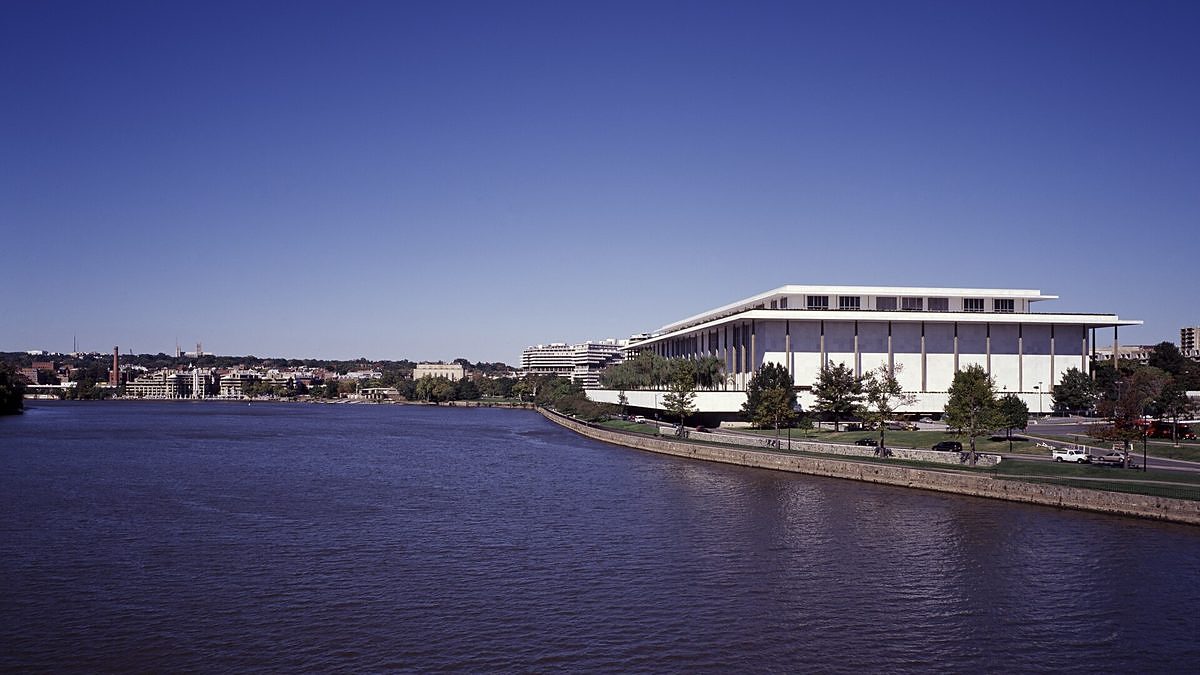
President Trump has made clear he wants his name on the facade of the John F. Kennedy Center for the Performing Arts, and he recently attached a warning. "Frankly, if we don't do that, it's going to close," Trump told reporters. "It'll end up being ripped down."
Trump and his supporters have also floated his name for Navy battleships and airports. Historians say it is rare for a sitting president to stamp his identity on public infrastructure, and that the debate over the practice is as old as the presidency itself.
Washington's dilemma
"They were trying to figure out what was the right balance between the prestige required to give this new office respect, but also recognizing that they were not trying to re-create a monarchy," said Lindsay Chervinsky, executive director of the George Washington Presidential Library.
The question first arose with the Coinage Act of 1792, when Congress debated what to put on the first American coins. In Britain, the reigning monarch appeared on currency. "The House of Representatives said that the president should not be on currency because of this monarchical tie," Chervinsky said. Washington generally shied away from self-celebration, she said, though he did accept the naming of the new federal city in his honor while still in office.
Dams and politics
When sitting presidents' names did appear, on dams named for Theodore Roosevelt, Calvin Coolidge and Woodrow Wilson, it was usually supporters, not the president, pushing for it, Chervinsky said.
The Hoover Dam is a case study. In 1930, Herbert Hoover's interior secretary proposed renaming the Boulder Dam for the president, who had negotiated the Colorado River Compact among seven states. Biographer Kenneth Whyte said Hoover was pleased but "didn't want to be seen to be doing self-aggrandizing things."
After Franklin D. Roosevelt took office, Interior Secretary Harold Ickes reverted to "Boulder Dam," and Roosevelt used that name at the 1935 dedication. In 1947, Congress voted unanimously to restore Hoover's name, recognizing his early support and his humanitarian work after the two world wars, said Roosevelt Institute historian David Woolner.
Libraries and hotels
Roosevelt did initiate one project bearing his name: the first presidential library. Trump has said he plans his own in Miami, though he has described something different. "I don't believe in building libraries or museums," he said. "It's most likely going to be a hotel with a beautiful building underneath and a 747 Air Force One in the lobby." A video rendering on his social media shows his name prominently on the facade.
The Kennedy Center was named by Congress in 1964 as a memorial to the assassinated president, and any formal renaming would raise questions about the role of Congress, which created it by law.