Communities
Texas Indian Americans face nativist spotlight as midterms near
From Frisco City Council meetings to H-1B fights, Indian American communities in North Texas are navigating online hate and GOP tensions that could shape suburban midterm races.
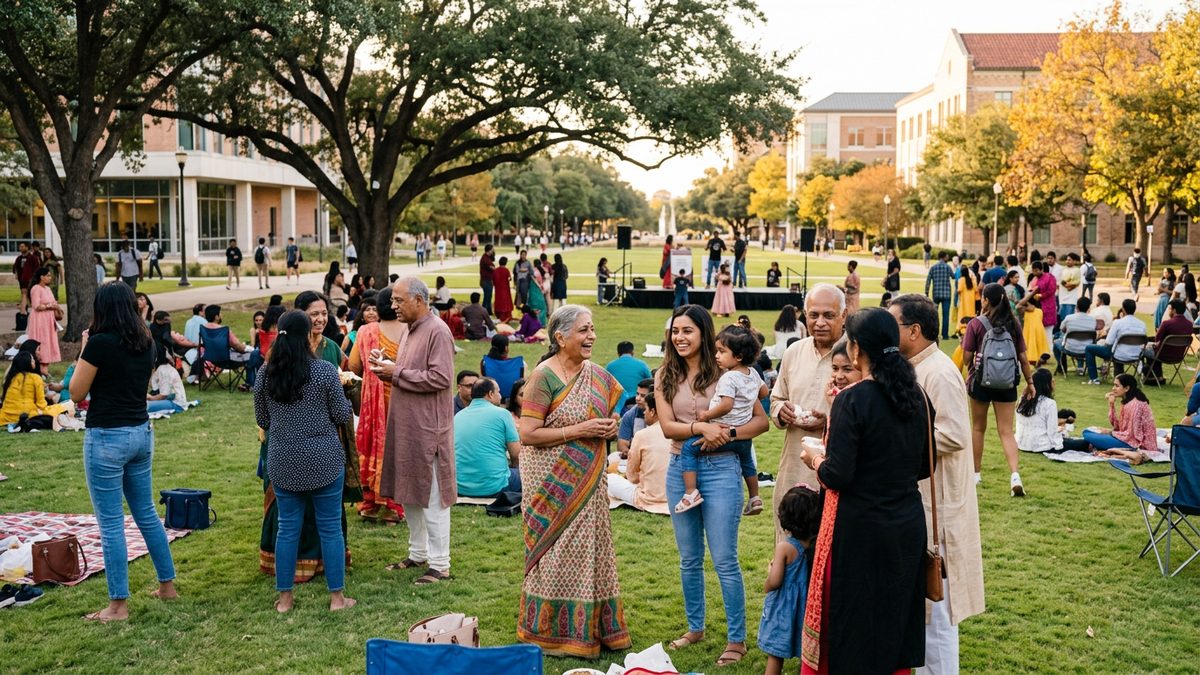
In the suburbs north of Dallas, Indian American families who built careers in tech, medicine, and entrepreneurship are confronting a political season that feels less like welcome and more like a spotlight — one trained by influencers, local candidates, and a national right-wing debate over H-1B visas and belonging.
Frisco as flashpoint
Frisco, a booming Collin County city where Asian residents make up roughly a third of the population and Indian Americans are a large share of that community, has become a stage for "Indian takeover" rhetoric at City Council meetings and on social platforms. Outside agitators have urged followers to pack meetings and attack the H-1B program; viral clips of local rituals and school moments have drawn piles of xenophobic replies.
Parents describe school board and youth sports spaces as newly tense after national influencers turned ordinary cultural celebrations into content. Local businesses owned by Indian Americans report both solidarity from longtime customers and occasional harassment, underscoring how online campaigns migrate into everyday suburban life.
Reporting by the Texas Tribune, Dallas Morning News, and Texas Monthly documents how the tension spilled into municipal politics this spring, including a mayoral contest stained by dehumanizing immigrant comparisons on a podcast. Community leaders say the hostility often originates online from outside the city, then lands on neighbors who have lived in North Texas for decades.
The GOP's double bind
Texas Republicans spent years courting Indian American voters — a high-turnout, high-education suburban bloc concentrated in Collin, Denton, Fort Bend, and Williamson counties. At the same time, party platforms and national influencers have hammered legal immigration pathways that Indian professionals use, including H-1B visas (Indians received about 71% of approved H-1Bs in fiscal 2024).
Some Texas Republican leaders still court temple forums and business chambers even as national allies amplify visa-fraud claims without evidence. That mixed messaging leaves Indian American swing voters parsing which local candidates will denounce bigotry — and which will treat silence as strategy.
That collision worries Indian American Republicans who argue assimilation and entrepreneurship should be celebrated, not punished. An AAPI Data survey earlier this year found 68% of Indian voters said Trump has gone too far in restricting legal immigration — a warning sign for candidates who hoped 2024 gains among Asian Americans would deepen.
Midterm math
Nationally, more than five million people of Indian origin live in the United States, including more than two million adult citizens. In Texas, estimates put the community above 400,000. Their votes matter most in thin suburban House and legislative races where small shifts decide control. Analysts tracking the Nov. 3 midterms say Indian American turnout in DFW and Houston suburbs could help decide whether previously safe Republican seats stay red.
University campuses from Austin to Richardson also report student organizing around both immigration policy and campus climate, linking municipal fights in Frisco to broader questions about who belongs in Texas' next political majority.
Democrats see an opening if nativist rhetoric continues; Republicans insist economic conservatism and education politics still resonate with many Indian American households. Both parties are watching whether anti-Indian online campaigns translate into Election Day behavior — or produce a backlash that mobilizes the community against candidates who stayed silent.
Community response
Temples, business associations, and campus groups have organized voter education, hate-incident reporting, and cross-community alliances with other immigrant and faith groups. Residents describe a painful irony: Texas long marketed itself as a place where hard work, not ancestry, defined opportunity. As early voting approaches, Indian American Texans say they are not asking for special treatment — only the basic assurance that showing up at a council meeting or a polling place will not make them targets.