US
Deadly Houthi strikes on Saudi Arabia raise the stakes for U.S. involvement
After the Riyadh airport attack and other strikes, U.S. intelligence support for Saudi forces sits against the risk of a wider regional war.
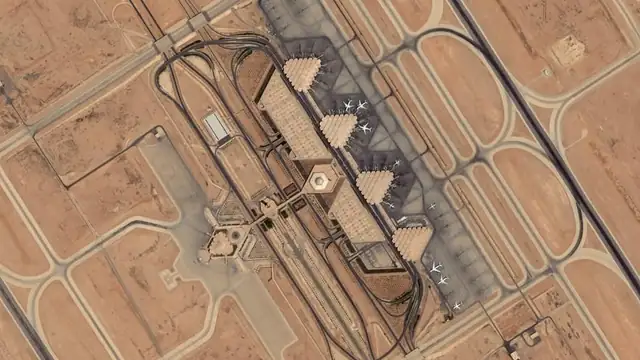
Deadly Houthi strikes on Saudi Arabia, including the attack on Riyadh's main airport that killed 12 people and wounded hundreds, have sharpened fears that the United States could be pulled deeper into another Middle East fight.
The regional shock
The airport strike was among the deadliest blows against a Gulf Arab state since the wider Iran war began. Saudi-led forces have vowed to respond. Civilian airports, energy sites and other infrastructure have been in the crosshairs as Yemen's Iran-backed Houthis widen the battlefield.
Where Washington already sits
U.S. support for Saudi operations has included intelligence sharing, target identification and planning help. Hundreds of American military personnel have been described in reporting as advising on the campaign even while Washington has stopped short of joining combat strikes. A deeper kinetic role would stretch forces already tied up in the Iran conflict and raise the risk of a broader regional war.
Stakes for Americans
An American was among those killed in the Riyadh attack, underscoring how quickly a distant air campaign can touch U.S. citizens and allies. Defense planners now weigh how much more help Saudi Arabia needs against the cost of opening another combat front. For now the United States remains a critical partner on intelligence and targeting while trying to keep its own warplanes out of Yemen's skies.
More like this
American among 12 killed in Riyadh airport missile strike as Trump weighs hitting Houthis
U.S. jet disables cargo ship that tried to run the Iran blockade
Iran calls the latest U.S. offer to end the war insufficient

Vance signals flexibility on Iran's nuclear enrichment as the war enters its eighth month