
Politics
FCC plans a vote to cut Chinese carriers off from direct access to U.S. phone numbers
Regulators will vote Nov. 19 on barring China Mobile, China Telecom and China Unicom from direct access to U.S. numbers, citing security and scam robocalls.
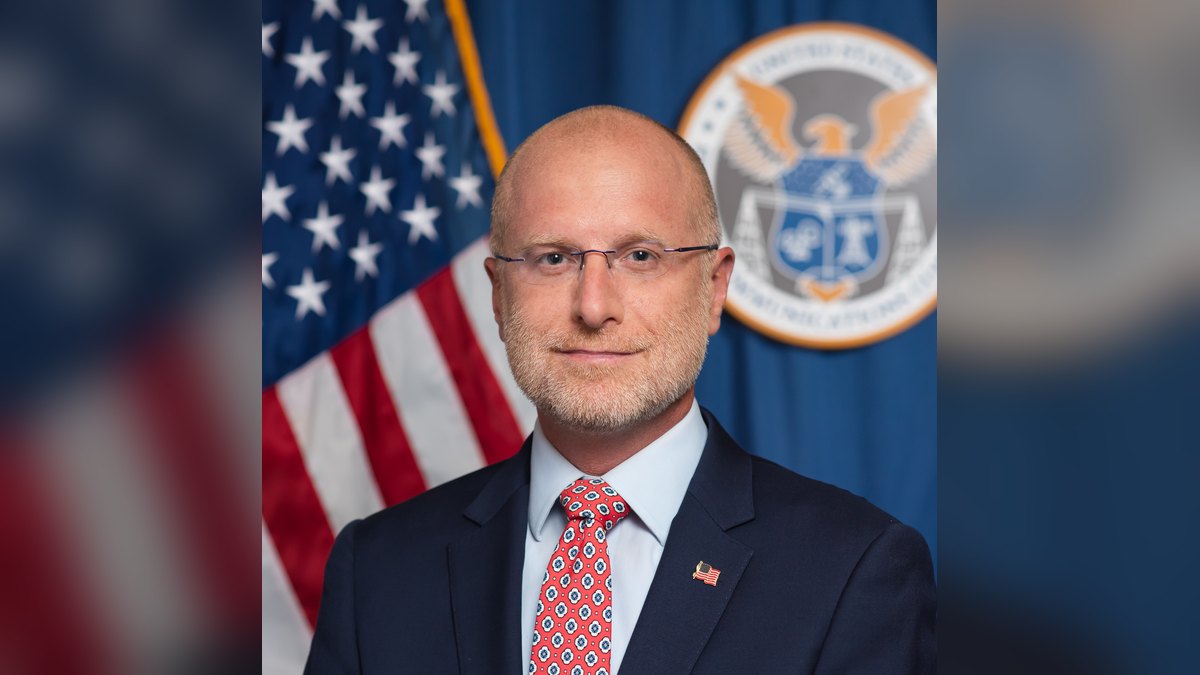
Federal regulators are getting ready to slam a door on Chinese phone companies. The Federal Communications Commission says it will vote on Nov. 19 on a plan that would stop China Mobile, China Telecom and China Unicom from getting direct access to American phone numbers.
The proposal also covers other internet-based calling providers that the agency sees as risky. Officials say the goal is twofold: protect national security and choke off a pipeline that scam robocallers use to reach Americans.
FCC Chairman Brendan Carr said the decision would strengthen the agency's first line of defense against bad actors and illegal robocallers.
Why direct access matters
Companies that offer calls over the internet can ask the FCC for numbers directly instead of renting them through a traditional carrier. That route is cheaper and makes it easier to roll out new features. It also puts the company closer to the core of the U.S. phone system, which is exactly the access regulators now want to take away from firms they consider threats.
The plan goes further than the three state-owned giants. It would bar calling providers that run on gear from companies on the FCC's national security list, including Huawei and ZTE. It would also stop all Chinese labs from testing American electronics starting in December 2028. The agency says it may pull existing number permissions from Chinese companies it deems dangerous.
Other steps still under review would block those firms from linking to U.S. networks and from running data centers inside the country. The three carriers were already barred from offering international telecom service to the United States.
Beijing pushes back
China's Foreign Ministry said Friday it firmly opposes the move. Spokesman Guo Jiakun accused Washington of stretching the idea of national security and abusing state power to squeeze Chinese businesses. He said China will take necessary measures to defend its rights.
Worry over Chinese access to American phone data has grown since late 2024, when U.S. officials said a state-backed hacking group called Salt Typhoon had stolen call records and broken into telecom companies. The FBI said this year that the threat is still very much active.
For ordinary phone users the change would not be instant. If the commission approves the plan next month it would still take time to cut off existing access. Regulators hope the result will be fewer spoofed calls ringing American phones.
More like this

FBI charges OpenAI engineer with planting a hidden recorder in an executive meeting room

Kylian Mbappe apologizes after Mao joke sparks backlash in China

Iran calls the latest U.S. offer to end the war insufficient
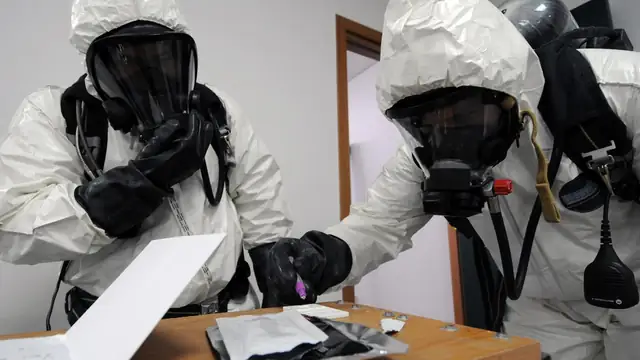
FBI investigates suspicious letters mailed to senators and election offices weeks before the midterms