Communities
Concord dedicates a Black Heritage Trail with 10 markers telling stories of freedom seekers and families who built the town
Ten new markers in the historic Massachusetts town highlight Harriet Tubman's visit, a Frederick Douglass speech and the Black families who shaped Concord.
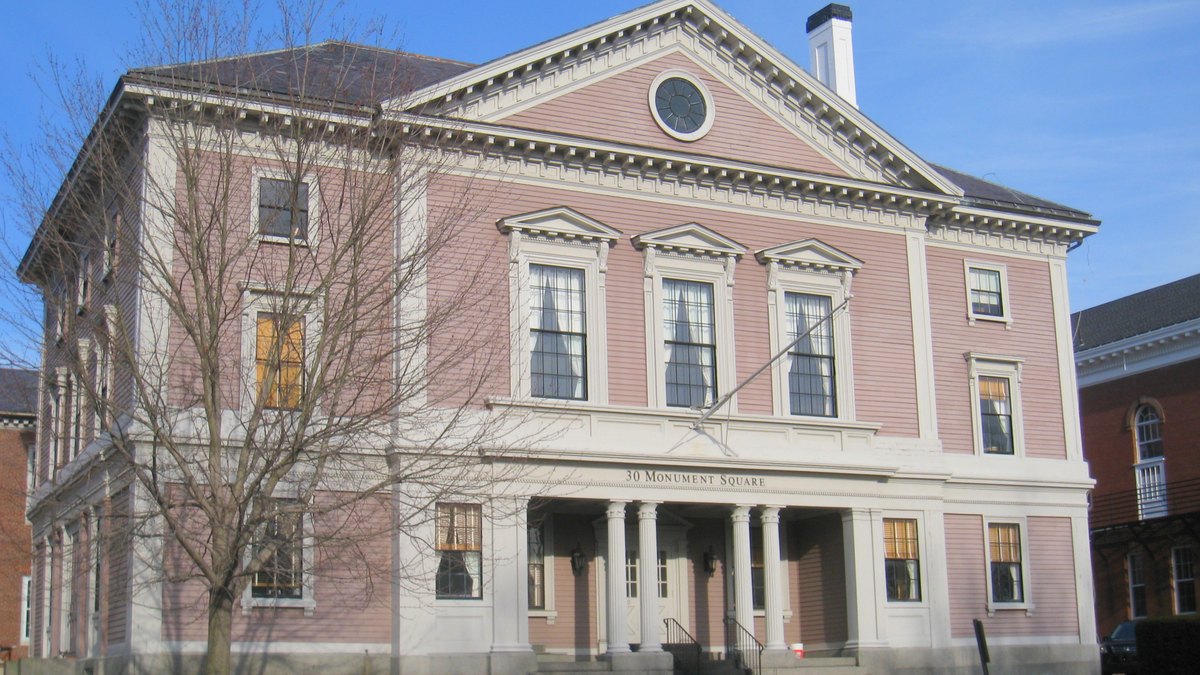
Concord, Massachusetts is famous for the shot heard round the world. Starting Thursday the town is also putting its Black history on the map in a way visitors cannot miss. Town leaders and community partners are gathering at noon in Monument Square to dedicate a new Black Heritage Trail made up of 10 outdoor markers spread across the town.
The free celebration at Freedom Park will include speakers and music along with the debut of a Black Heritage walking tour and printed maps. If it rains the program moves to the parish hall at First Parish.
Organizers say the markers are meant to teach, not to serve as monuments. Each one is a tall printed panel on a dark wooden post that people can read at eye level as they walk from site to site.
Stories with national reach
Several stops connect the small town to some of the biggest names in the fight against slavery. One sits at the home that sheltered Harriet Tubman during her 1859 visit to Concord. Another is outside the building on Monument Square that once served as the Universalist meeting house and is now Holy Family Church. Frederick Douglass addressed a county anti-slavery meeting there in 1841.
A third marks 19 Sudbury Road, where Shadrach Minkins found shelter on his way to Canada. Minkins was the first person ever rescued out of federal hands under the Fugitive Slave Act.
Neighborhoods Black families built
Other markers tell the story of the three areas where Black families made homes in Concord. The Great Field was farmed by free Black and Native residents in the 1700s and 1800s. In Walden Woods, Brister Freeman and others set up households. The Dugan neighborhood takes its name from Thomas Dugan. His son George Washington Dugan was killed while serving with the famed Massachusetts 54th Regiment in 1863.
A marker at Sleepy Hollow Cemetery points to a corner that a Town Meeting vote set aside for Black residents in 1824. Many families named along the trail were buried there in plots that had no headstones for many decades. Those graves are finally getting the recognition they were denied. The trail also follows the Garrison family across a few generations, from slavery and escape to owning property, getting an education and standing up for civil rights.
Years in the making
The project builds on years of study by the Robbins House, a local museum of African American and antislavery history, which helped choose the sites from more than 20 possibilities. The town's tourism and economic development staff worked with an advisory team of historians and teachers. A state tourism grant paid for the work with matching money from the town's federal pandemic relief funds.
Town officials say the trail is also about who feels welcome. Black residents make up about 10% of the state's population but fewer than 4% of Concord's visitors. The town hopes the new markers give more Black travelers a reason to come and see themselves in a place better known for its Revolutionary War history.
More like this
Greensboro's first Black Patriots Day reads the names of 43 Black soldiers who fought at Guilford Courthouse
Orlando Legion post honors Pearl Harbor hero Dorie Miller with a birthday tribute
Beaumont family honors Mabel Zenon-Williams, a nurse who served in the all-Black women's Six Triple Eight

Rising Black Men throws its first annual Black Prom at Michigan State