Communities
Greensboro's first Black Patriots Day reads the names of 43 Black soldiers who fought at Guilford Courthouse
Volunteers gathered at the Revolutionary War battlefield to read aloud the names of Black soldiers who fought for independence in 1781.
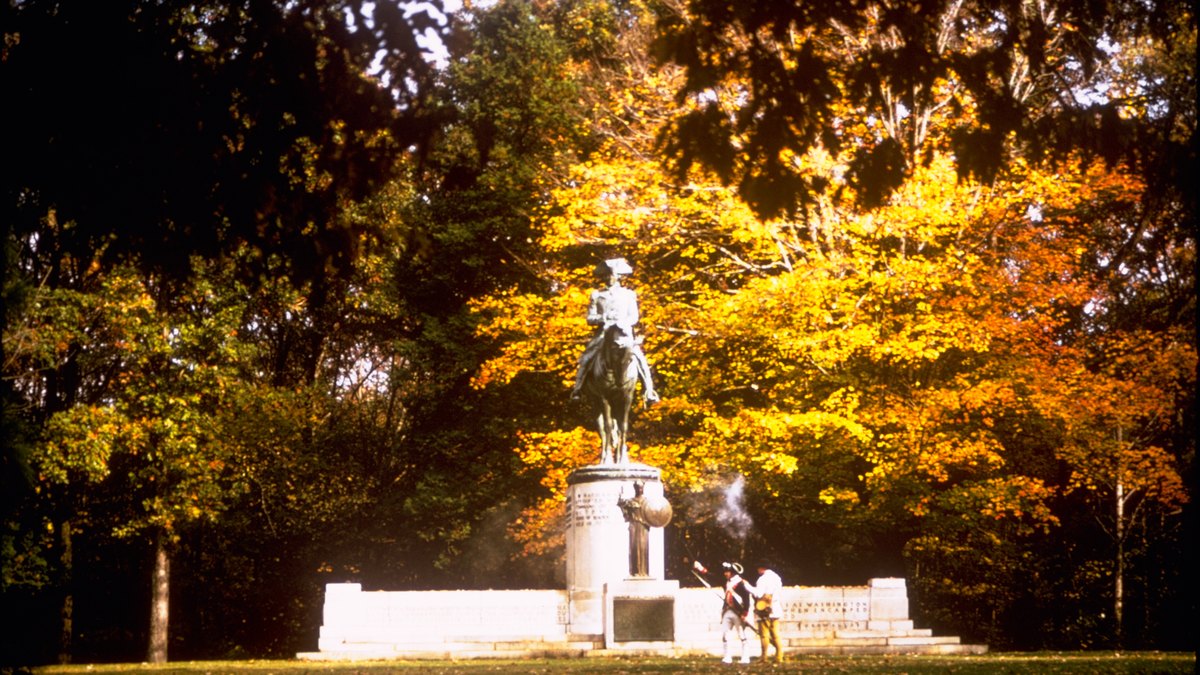
Under the statue of Maj. Gen. Nathanael Greene at Guilford Courthouse National Military Park, a small group took turns Monday saying 43 names out loud. Each belonged to a Black soldier who fought for American independence in the battle there on March 15, 1781.
A new day of remembrance
The gathering was Greensboro's first Black Patriot Commemoration Day. Bernetiae Reed helped organize it. She said the goal was to make more people aware of the Black patriots and to honor them. Community members including Annette Garvey, Karen Garvey, Elma Hairston and Greg Drumwright read the names one by one. Volunteer Scott Culclasure shared what is known about several of the men.
Who they were
Greene led about 4,400 Americans against roughly 1,900 British and Hessian troops under Lord Cornwallis that day. Nobody knows how many Black men stood in the American ranks. Park staff have found records proving that at least 43 did. Many of the stories come from pension papers the veterans filed decades later.
Thomas Carney joined Maryland's Continental troops in 1778 and fought from Brandywine to Eutaw Springs. At the siege of Ninety Six he saved the life of his captain. A marker honoring him now stands outside the courthouse in Denton, Maryland.
Andrew Ferguson was only about 15 when he fought at Cowpens. He took a wound to the head at Guilford Courthouse, later settled in Indiana and was buried in an unmarked grave. A marker was finally placed there in 1984.
Micajah Hicks was captured when Charleston fell and spent six months on a British prison ship. He escaped and rejoined Greene's army in time for Guilford Courthouse. Thomas Mason of the Caswell County militia was shot in the hand in the battle, but his family was denied a pension after he died.
Why it matters now
Historians estimate that 5,000 to 6,000 Black men fought for independence, many of them hoping the fight would open a path to freedom. Their service was often left out of the story told at battlefields and in classrooms.
Organizers hope the reading becomes a yearly tradition as the country marks 250 years since the Revolution. For one afternoon in Greensboro the 43 names were heard at the place where those men risked their lives.
More like this
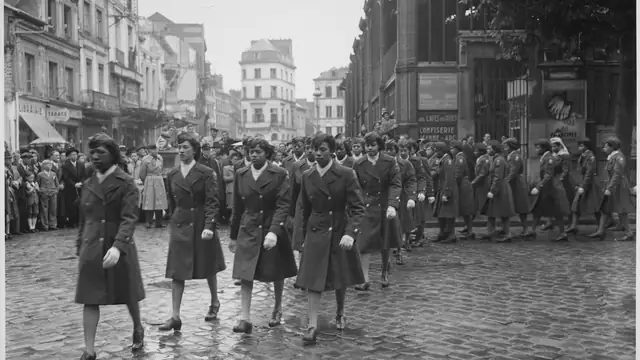
Beaumont family honors Mabel Zenon-Williams, a nurse who served in the all-Black women's Six Triple Eight
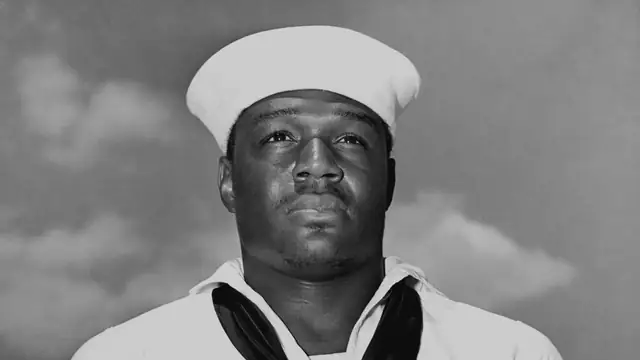
Orlando Legion post honors Pearl Harbor hero Dorie Miller with a birthday tribute
Californians pack Allensworth park for a 50th rededication of Black self-determination
Tulsa gala honors The Six, the city's first Black firefighters