
US
Most men 50 to 69 should get a PSA test every two years under new prostate cancer screening guidelines
The American Cancer Society now backs a PSA test every other year for most men 50 to 69 and yearly tests from 45 for Black men and others at high risk.
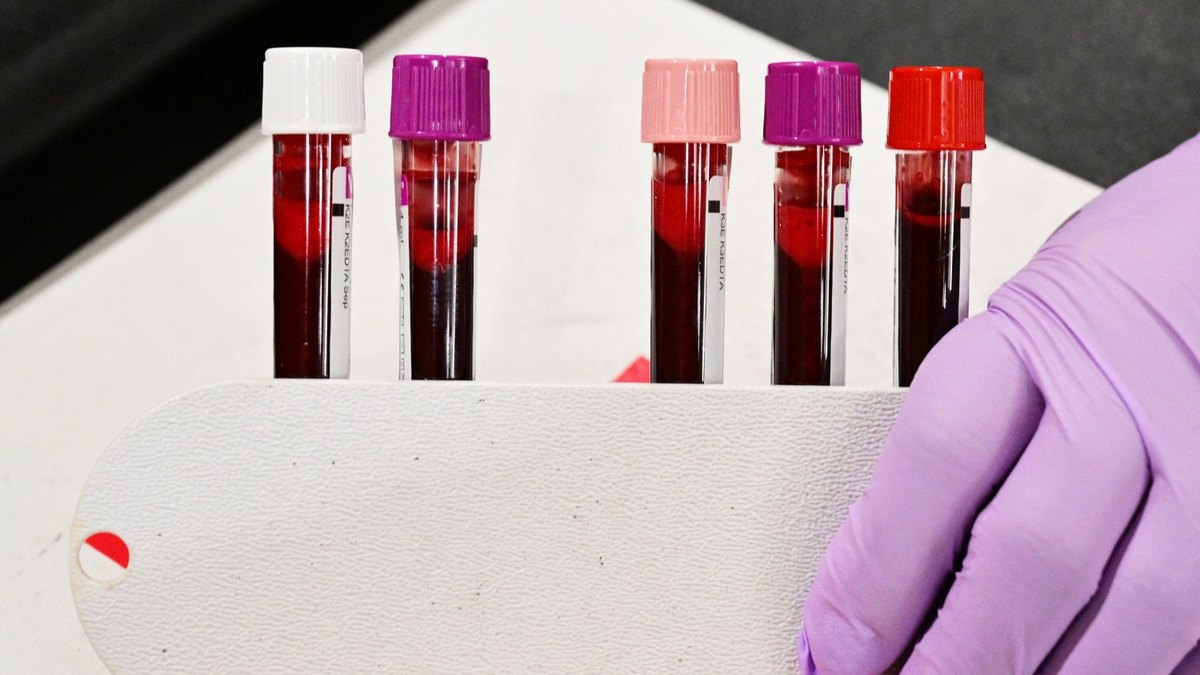
Men in their 50s and 60s are getting a much clearer message about prostate cancer. The American Cancer Society released updated screening advice on Thursday that tells most men between 50 and 69 to get a prostate-specific antigen blood test every two years.
The group goes further for men who face higher odds of getting the disease. Yearly testing should begin at 45 for Black men and for any man whose close relatives have had the disease. Men from 70 to 74 are told to talk with their doctor about whether testing still makes sense based on their overall health and how long they are expected to live.
The new advice was published in the society's medical journal. It replaces guidance from 2010 that asked middle-aged men to weigh the pros and cons with their doctors. Cancer experts say that softer approach left too many men skipping the test altogether.
Why the advice changed
Only lung cancer kills more American men than prostate cancer. The society expects roughly 333,830 new diagnoses and about 36,320 deaths this year.
Deaths dropped by about half over 30 years, but that progress has stalled. New diagnoses rose about 3% a year from 2014 to 2021 and cases that had already spread grew about 6% a year among men 55 and older. Only about one in three men diagnosed at a late stage survives five years.
Experts say a key reason for the shift is a large European study that has followed men for more than 20 years. It found that PSA screening in middle age lowered the number of men who died from the disease. Doctors have also gotten better at telling dangerous tumors apart from slow-growing ones that can simply be watched.
Dr. Robert Smith, who leads early cancer detection science at the society, called the PSA test the cornerstone of catching the disease early. He stressed that it is only a first step. Men with a high reading get follow-up tests to decide who needs a biopsy and who can safely be monitored.
A focus on Black men
The guidance puts special weight on closing a deadly gap. Black men are diagnosed with prostate cancer about 67% more often than white men and die from it at nearly twice the rate. Dr. William Dahut, the society's chief scientific officer, said earlier and more frequent testing for Black men is meant to help reverse that inequity.
The PSA test has a complicated history. A national task force advised against routine testing in 2012 out of concern that it led to needless biopsies and surgeries that can cause incontinence and sexual problems. Rates of advanced disease began creeping up in the years that followed.
Doctors say those risks are smaller today because more men with low-risk cancer are monitored instead of treated right away. Men who are unsure whether they are due for a test can ask their doctor at their next checkup. The blood draw takes only a few minutes.
More like this

Walmart worker given months to live blows past his cancer fundraiser goal as strangers rally behind him

Surgeons find cancer in Pope Leo XIV and take out part of his right lung

New Mexico confirms two more screwworm cases in a horse and a calf
The US could lose its measles-free status this week as regional health experts review two years of outbreaks