
US
The US is losing its measles-free status after 26 years as health officials prepare to make it official
Regional health officials are set to confirm Tuesday that measles is spreading nonstop in the US again, ending an elimination status held since 2000.
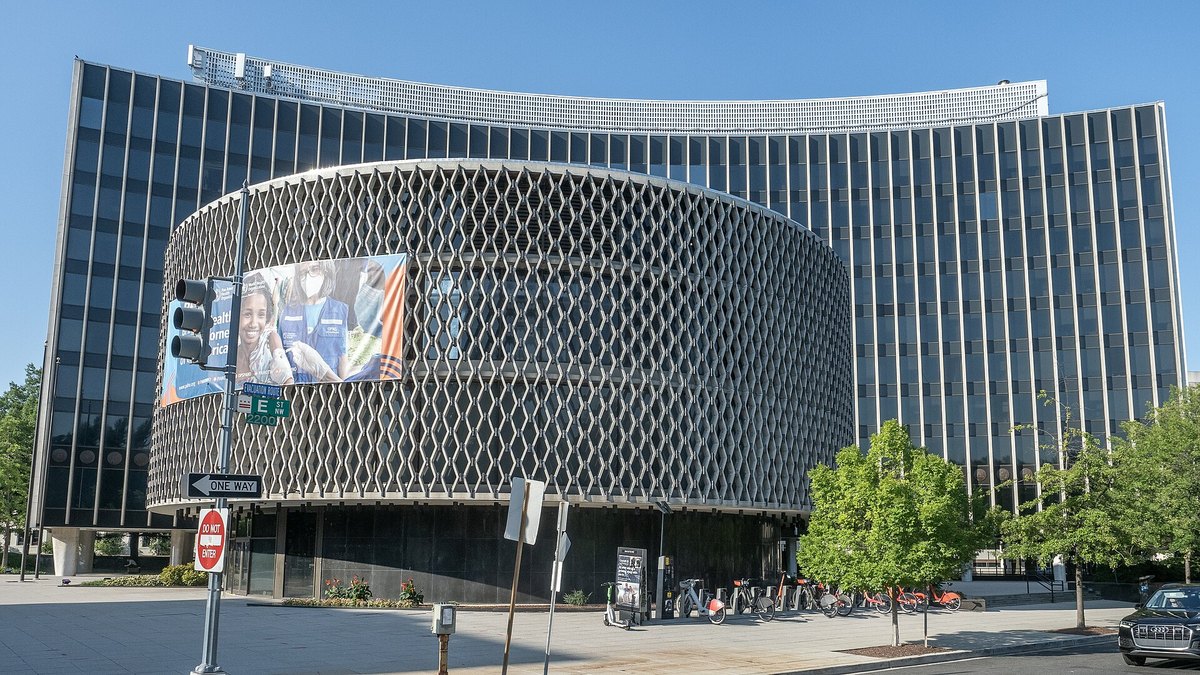
The United States is about to make official something doctors have warned about for months: measles is no longer considered eliminated here. The Pan American Health Organization, the regional arm of the World Health Organization for the Americas, is expected to announce on Tuesday that the country has lost the measles-free status it first earned in 2000.
The call came from an independent commission of eight public health experts that met for four days last week in Washington. Elimination only holds while outbreaks burn out within a year. The panel studied genetic data from cases with no link to travel abroad and concluded that the same strain had kept moving from community to community for more than 12 months. A senior administration official said Monday that the agency had already notified the government by letter on Friday and named a Utah outbreak that began in June 2025 as the deciding factor.
The numbers behind the decision are stark. More than 5,400 cases have been reported so far in 2026, over twice last year's total and the most since 1991. Since the start of 2025 roughly 7,700 people have been infected and state health departments have tied 13 deaths to the virus, several of them babies too young for their first shot. Federal health officials also raised alarms this week about infections during pregnancy, with early counts showing 112 confirmed cases in expectant mothers.
Two doses of the measles, mumps and rubella vaccine block about 97% of infections, but coverage has been slipping. Around 92% of kindergartners were vaccinated for the 2025-26 school year, down from 95% six years earlier, which is the level experts say a community needs to keep the virus from taking hold. Most counties have seen their rates fall since 2019 and a few rural counties in Idaho and New Mexico now sit below 50%.
The Centers for Disease Control and Prevention says it has stepped up its response, including $100 million in extra funding sent out in October plus teams sent to help states. CDC Director Dr. Erica Schwartz said losing the label does not change the playbook. "It means we remain focused on stopping outbreaks," she said. Critics counter that Washington has been far quieter than during past outbreaks, with no national vaccination push or regular briefings, while Health Secretary Robert F. Kennedy Jr. has spent years casting doubt on the shot.
Canada lost its own status last year after an outbreak there topped 5,000 cases. Winning it back in the US will take at least a full year with no sustained spread plus tracking strong enough to prove it, a process experts say could stretch on for years. Until then doctors say the best protection has not changed: make sure children get both doses on time and check that adults are up to date before they travel. In some outbreak areas health departments now offer an early dose to babies as young as 6 months.
More like this
The US could lose its measles-free status this week as regional health experts review two years of outbreaks
CDC confirms the third U.S. measles death of 2026 as cases pass 4,400

Dr. Erica Schwartz, the first Black woman to lead the CDC, urges parents to trust the MMR vaccine
Pennsylvania measles outbreak tops 1,000 cases, the largest in a U.S. state in over 30 years