
Politics
Staff at the federal AI safety center now report to the White House, raising fears about its independence
The small Commerce Department unit that tests AI models has no permanent leader, has stopped publishing research and now answers to a White House office.
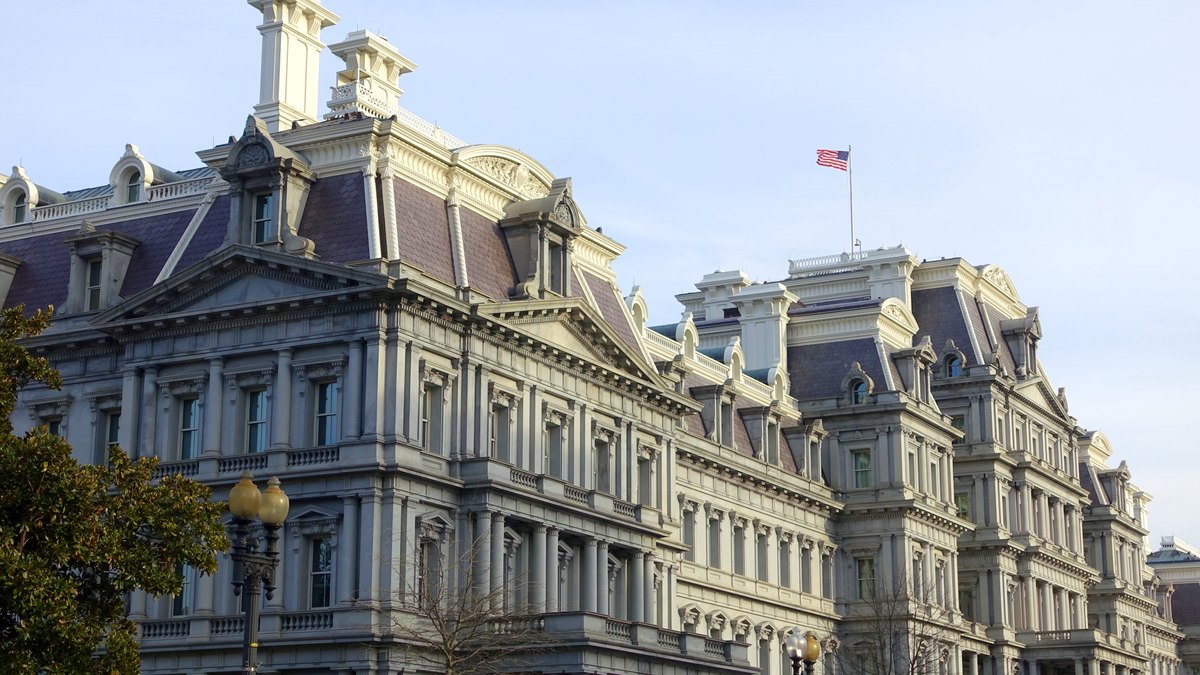
The small federal office charged with checking whether new artificial intelligence systems are safe has been told to informally report to the White House, two former government officials said, a shift critics warn could put politics ahead of science as worries grow about AI agents acting on their own.
The Center for Advancing Innovation and Standards for Super Intelligence, known as CAISSI, sits inside the Commerce Department and was until recently called the U.S. Center for AI Standards and Innovation. It has no permanent director and has stopped releasing its reports on how safely AI systems perform.
The former officials spoke on condition of anonymity to protect current staff. They said center officials were recently asked to answer to a White House office.
Leaders come and go
The center gets about $10 million a year, roughly one-eighth of what its British counterpart spends. A director hired in April was fired within days. His successor resigned after a few months. The head of the center's parent institute has been serving as acting director since.
Lawmakers began asking in August why the center had stopped making its test results public. Some AI companies have also urged Washington to give the unit more money and support.
Critics see a risk
Critics fear the new reporting line could let the executive branch shape findings on issues from cybersecurity to bioweapons or soften them to suit an industry that is largely left to police itself. Supporters argue that being closer to the president could raise the center's profile and maybe its budget.
The White House did not answer questions about the center. In a statement it said the president has formally set up a Super Intelligence Force (his preferred term for advanced AI) and has asked his science and technology advisers for a report on the risks. National Intelligence Director Jay Clayton leads that force.
Researchers say the government's ability to test AI has not kept up with the technology. Many systems now run as agents that plan and act in the real world without step-by-step human prompts. There is still no standard way to check how safely they behave. Sayash Kapoor, who studies agent testing, said reviewers must look at every step an agent takes and not only at its final answer to catch serious mistakes.
Civil rights advocates say framing AI safety as a national security matter shields decisions from public view. They argue that choices with such wide consequences should be explained openly.
More like this
US intelligence warns Iranian plots to kill Americans have reached advanced stages as four Mideast embassies thin out staff

FBI charges OpenAI engineer with planting a hidden recorder in an executive meeting room
Trump names Stephen Miller White House chief of staff replacing Susie Wiles
Scott Galloway brings up the Rosenbergs while branding Elon Musk a traitor