
Science
NASA's Perseverance finds ultrafine Mars dust that could threaten astronauts' lungs
The rover measured dust as small as 100 nanometers clinging to spacesuit samples. Particles that tiny can reach deep into the lungs.
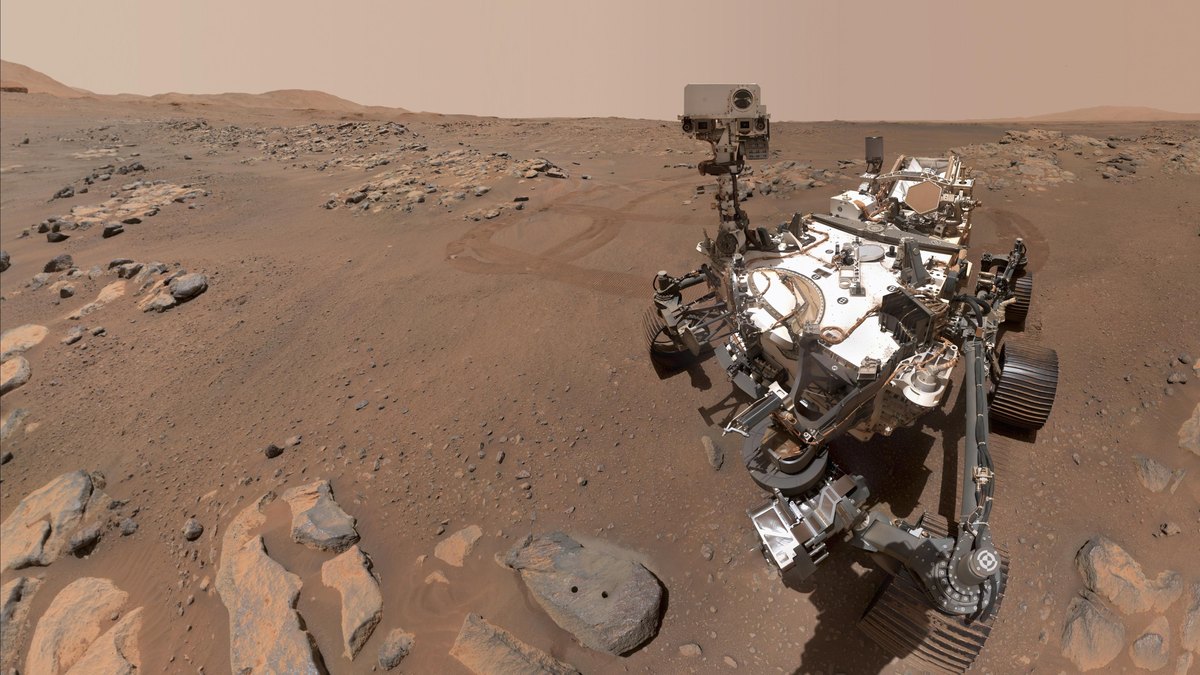
NASA's Perseverance rover has found something future Mars astronauts will need to watch out for: dust so fine it could slip deep into their lungs.
The rover's PIXL instrument measured Martian dust that had settled on small samples of spacesuit material it carries. Some grains were only about 100 to 300 nanometers across. That is roughly 700 times thinner than a human hair.
Particles that small can reach deep into the lungs and may even pass into the bloodstream. NASA says that makes the dust a real health concern for crews.
Dust that sticks
The dust clung to the suit materials through static electricity. That means it could easily ride back into a habitat on a spacesuit after a moonwalk-style outing.
The dust is rich in phosphorus, iron and sulfur. That chemistry matters for how toxic it might be if breathed in.
Setting limits
NASA has proposed a short-stay exposure limit of 0.1 milligram per cubic meter for Mars dust particles smaller than 10 micrometers. The limit is averaged over 24 hours for stays of up to 30 days.
Scientists say the new measurements will help engineers design suits, air filters and airlocks that keep crews safe when people finally reach the Red Planet.
More like this
SpaceX Dragon docks at the space station with science gear and the last roll-out solar arrays

Scientists name a new trapdoor spider in Mauritius that lives underwater at high tide

An Egyptian farmer's pink stone led archaeologists to two colossal statues of Ramses II

Mae Jemison: First African American woman in space