
Politics
One week from Election Day, a new national poll gives Democrats an 8-point edge but flags soft spots in their base
With the Nov. 3 midterms a week away, a new national poll shows Democrats ahead by 8 points among likely voters, yet key groups are short on enthusiasm.
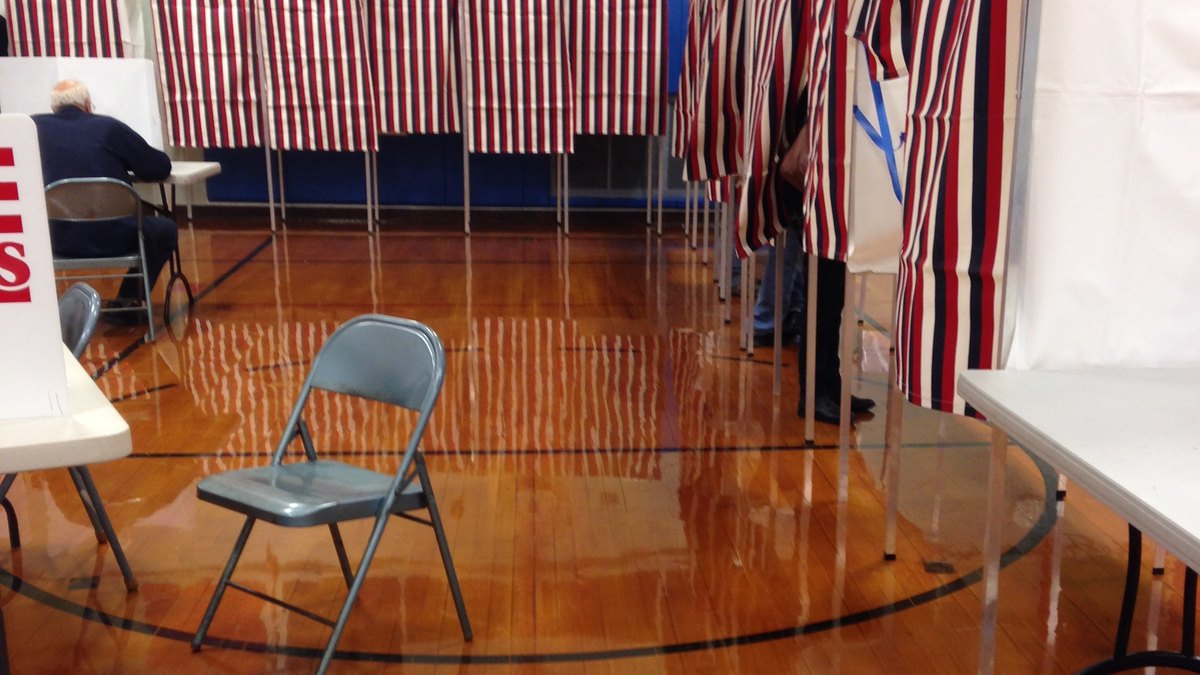
With exactly one week left before the Nov. 3 midterm elections, a fresh national survey shows Democrats holding a clear lead in the battle for Congress. The same numbers also show why party leaders are not ready to celebrate.
Among likely voters, 52% say they would pick the Democrat running for the House in their district if the vote were held today. Another 44% would choose the Republican. That 8-point gap grows to 10 points among all registered voters. Independents lean toward Democrats by 13 points.
The race has hardly budged over the last month. Democrats have led every time this survey has asked the question since last November. The poll reached 1,289 registered voters by phone, text and online on Oct. 19 and Oct. 20. The margin of error is about 4 points either way.
Why the numbers matter
History gives Democrats reason for hope. In October 2018 the party held a 9-point lead among likely voters and went on to gain 40 House seats. A 12-point edge in 2006 also ended with Democrats taking the House.
This year the map is tougher. New district lines drawn after the 2020 Census and a rare round of mid-decade redistricting have tilted many seats toward Republicans. That helps explain a nervous streak inside the party. Nearly every Democratic likely voter plans to back a Democrat, but only about 8 in 10 expect their candidate to win.
Early voting may already be helping. More than 30 million Americans have cast ballots by mail or in person. About 1 in 5 likely voters in the survey say they have already voted and that group favors Democrats by a wide margin. Voters who have not cast a ballot yet are split evenly. Half of Republican likely voters plan to vote in person on Election Day compared with about 3 in 10 Democrats.
A vote about the president
Even though the White House is not on the ballot, many voters are treating the election as a verdict on President Donald Trump. By more than 2 to 1, likely voters say their choice for Congress is a vote against him rather than a vote for him. His job approval sits at 40% among likely voters with 59% disapproving.
Opposition to the president is the glue holding the Democratic coalition together. More than 8 in 10 Democrats and 44% of independents say their vote is a vote against him. Republicans are less united around him. Only half say their vote is meant to support him.
Warning signs for Democrats
Enthusiasm is where Democrats still have work to do. Overall, 71% of Democratic likely voters say they are very enthusiastic about voting compared with 61% of Republicans. But only 42% of likely voters under 45 and 53% of voters of color describe themselves that way. Those groups have long been key to Democratic wins and they often turn out at lower rates in midterm years.
Republicans have also caught up on attention. Last month Democrats were far more likely to say they were following the election very closely. Now the two parties are tied.
Cost of living remains the top worry for many Americans. About a third say they faced financial hardship in the past year and 4 in 10 say their personal finances have gotten worse. Immigration ranks as the biggest concern for the president's strongest supporters while protecting democracy resonates most with Democrats and independents.
Strategists on both sides expect Democrats to be favored for the House. The Senate looks closer. A Republican hold there would not surprise many observers. Every vote cast in the next seven days will decide which way it goes.
More like this
Republicans hold a $400 million midterm spending edge as Democrats narrow their map

FBI investigates suspicious letters mailed to senators and election offices weeks before the midterms

Ilhan Omar vows she will not be silenced after agents search her D.C. home
House Democrats map a 100-days agenda if they win the midterm majority