
US
Prices rose 0.4% in October as grocery bills and rent kept climbing, putting a December Fed hike in view
Consumer prices beat forecasts for a third straight month in October as food jumped 0.5% and shelter drove nearly a third of the gain.
Everyday costs kept moving up in October. The government's consumer price index climbed 0.4% from September, the Bureau of Labor Statistics said Tuesday morning, a tenth of a point above what forecasters expected. It was the third month in a row with a gain of at least 0.4%.
The pace did cool from September, when a spike at the gas pump pushed the index up 0.6%. But the October numbers showed price pressure spreading into the grocery aisle, the rent check and the electronics shelf rather than sitting only in fuel.
Core prices, which leave out food and energy, rose 0.3% for the third month running. That too came in slightly hotter than many analysts had penciled in.
No yearly figure this time
The bureau did not publish its usual 12-month inflation rate. Last year's federal shutdown stopped it from gathering most price data in October 2025, so there is no clean month to compare against. Private economists who filled the gap with estimates put the annual rate near 3.9% to 4%, up from 3.7% in September.
Food is no longer the safe spot
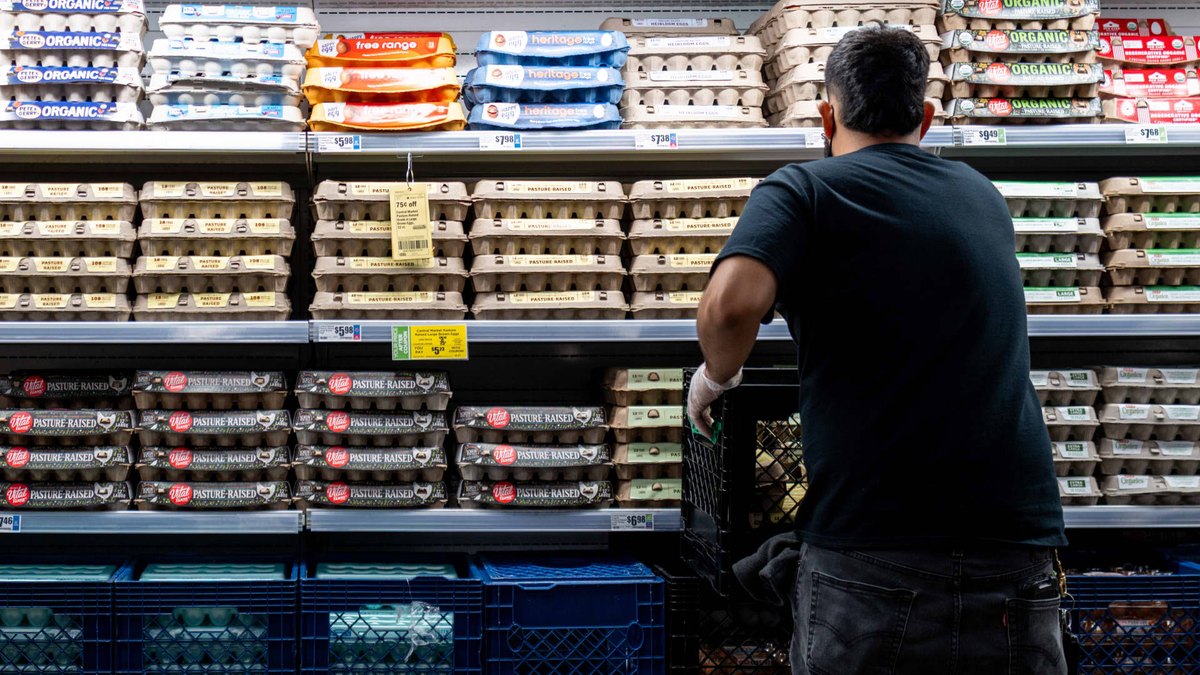
For months the jump in energy costs from the Iran war left food prices mostly untouched. That changed in October. Food overall rose 0.5% after barely moving the month before, with grocery prices up 0.4% and restaurant meals up 0.5%.
Beef climbed 0.9% as tight cattle supplies met strong demand. Snacks gained 1%. Eggs, dairy, fruit and vegetables each rose about 0.6%. Baby food and formula soared 5.1%, the biggest one-month jump the bureau has recorded for that category in close to three decades. Economists point to high diesel prices that raise the cost of trucking goods to stores.
Rent and gadgets add to the squeeze
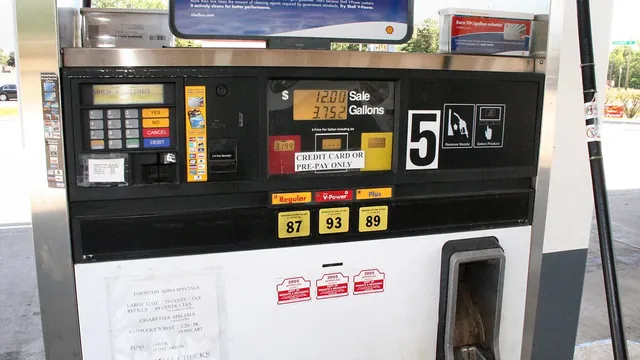
Shelter costs rose 0.3% and made up more than 30% of the overall increase. Rents kept rising as high mortgage rates keep would-be buyers in apartments longer. Gasoline rose 1% after its 9.1% surge in September while electricity gained 0.9%. Natural gas was one of the few categories that fell.
Strong demand for computer chips tied to the artificial intelligence buildout is showing up in store prices too. Smartphones rose 1.4% in a single month, a record for that category, while television prices jumped 3.3%. Used cars and trucks were a bright spot with a 1.2% drop.
Pressure on the Federal Reserve
The report lands weeks before the Fed's Dec. 8-9 meeting. The central bank raised its key rate a quarter point in September for the first time in three years and then held steady in October. Fed Governor Christopher Waller said in London just before the release that a core reading near 0.3% would lead him to consider backing a half-point hike next month because he is worried about how widely prices are rising.
After the numbers came out traders moved to price in a full quarter-point increase in December. Stocks slipped while Treasury yields rose. A higher rate would make car loans, credit cards and mortgages more expensive for families already stretched.
The cost of living was a top issue for voters in last week's midterms, which handed Democrats both chambers of Congress. Wages are still growing more slowly than prices, so many households are falling further behind heading into the holiday shopping season.
More like this
U.S. inflation climbs to 3.7% as gasoline prices drive the September jump

Social Security checks will rise 3.6% in 2027, about $75 a month for retirees

Mortgage rates near 3-year high as surging bond yields push up the cost of borrowing

U.S. economy grew at a 3.4% pace last quarter but many families say they still feel squeezed