Politics
Minnesota says federal officials stopped sharing evidence in Renee Good and Alex Pretti killings
State officials say federal agents still hold guns, phones and other evidence in the two killings and that sharing stopped in September with no end date.
Minnesota officials say federal authorities have stopped handing over evidence in the fatal shootings of Renee Good and Alex Pretti, leaving state investigators unable to finish their work months after the killings set off protests across the country.
The claim appears in new court papers filed this month as the state again asks a judge to order the federal government to turn over what it holds. Minnesota first sued over the evidence in March. State officials say the flow of material dried up soon after an announcement in July and has not resumed.
Good, a 37-year-old mother of three, was shot by an Immigration and Customs Enforcement officer on Jan. 7 as she drove away from a protest in her SUV. Pretti, a 37-year-old intensive care nurse, was killed by federal officers a few weeks later. No one has been charged in either death. Federal officials have said the officer who shot Good acted in self-defense.
An indefinite pause
According to the filings, a federal prosecutor in Minnesota told Hennepin County Attorney Mary Moriarty on Sept. 10 that sharing would be on hold with no end date. The reason given was trouble with officials in Washington. Just months earlier, in a June 26 letter, federal officials had promised to provide the material.
Drew Evans, superintendent of the state Bureau of Criminal Apprehension, laid out what he says is still missing. In the Good case that includes her clothing, the officer's phone and recordings of interviews. In the Pretti case the list covers the officers' guns and phones, bullets and shell casings, a recorded statement from one officer and a gun that agents took from Pretti.
State officials say they cannot decide whether to bring charges without that evidence. The filings also touch on material in a separate federal shooting case involving Julio Sosa-Celis.
The federal response
In a reply filed Tuesday, the Justice Department leaned on a set of federal rules that govern when employees and records can be used in outside legal matters. Those rules, known as Touhy regulations, generally come into play only when a case is already underway. The department argues the state has no pending prosecution and so cannot force a handover.
Minnesota leaders counter that they cannot open a prosecution without first seeing the evidence.
A lasting wound
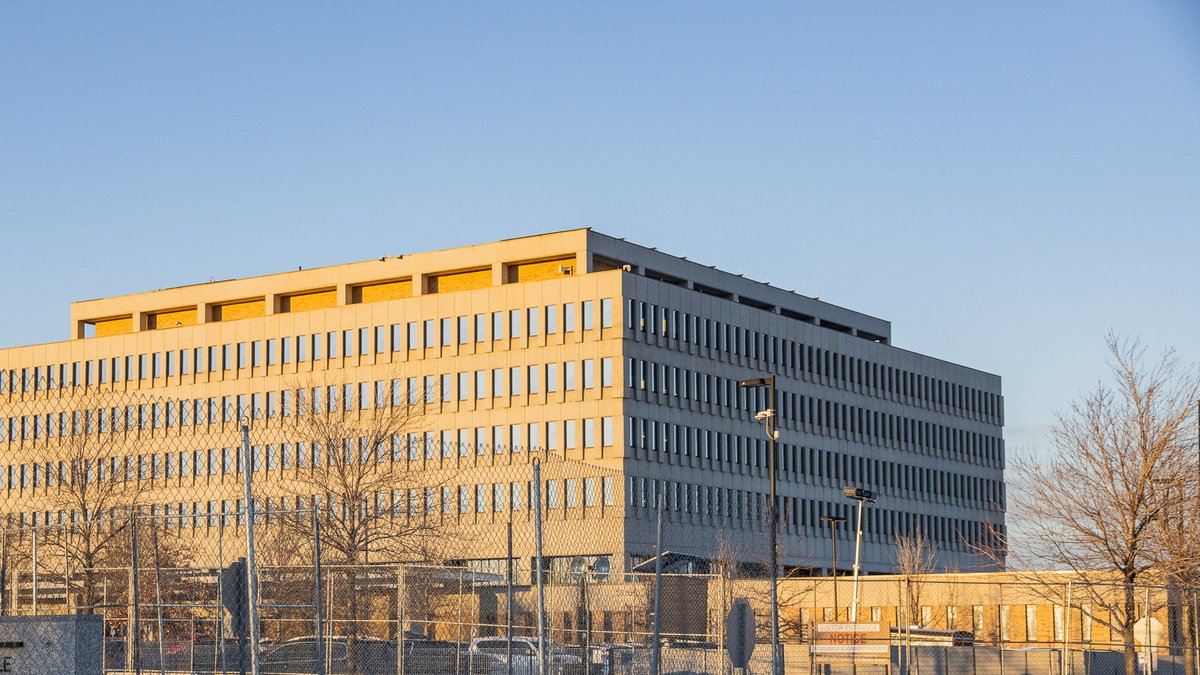
The two killings came during a surge of federal immigration enforcement in the Twin Cities that drew large crowds into the streets for weeks. The Bishop Henry Whipple Federal Building near the Minneapolis airport, which houses immigration offices, was ringed with barricades as protesters gathered outside.
Both names became rallying cries at demonstrations far beyond Minnesota. A judge has not said when the court will rule on the state's latest request.
More like this

Tan Mom says immigration agents almost hauled her off because of her deep tan

Agents seized Ilhan Omar's phone as relatives get grand jury subpoenas in immigration probe
Obama calls the Ilhan Omar investigation appalling as Homan says investigators have a strong case

Hispanic Heritage Awards honor the people of Minnesota for protecting their neighbors