
US
Iran says the Strait of Hormuz could reopen in two days on its terms as the US weighs new strikes
Iran's foreign minister says a Qatar-brokered plan could reopen the Strait of Hormuz in two days if the US meets steep demands. US strikes remain on the table.
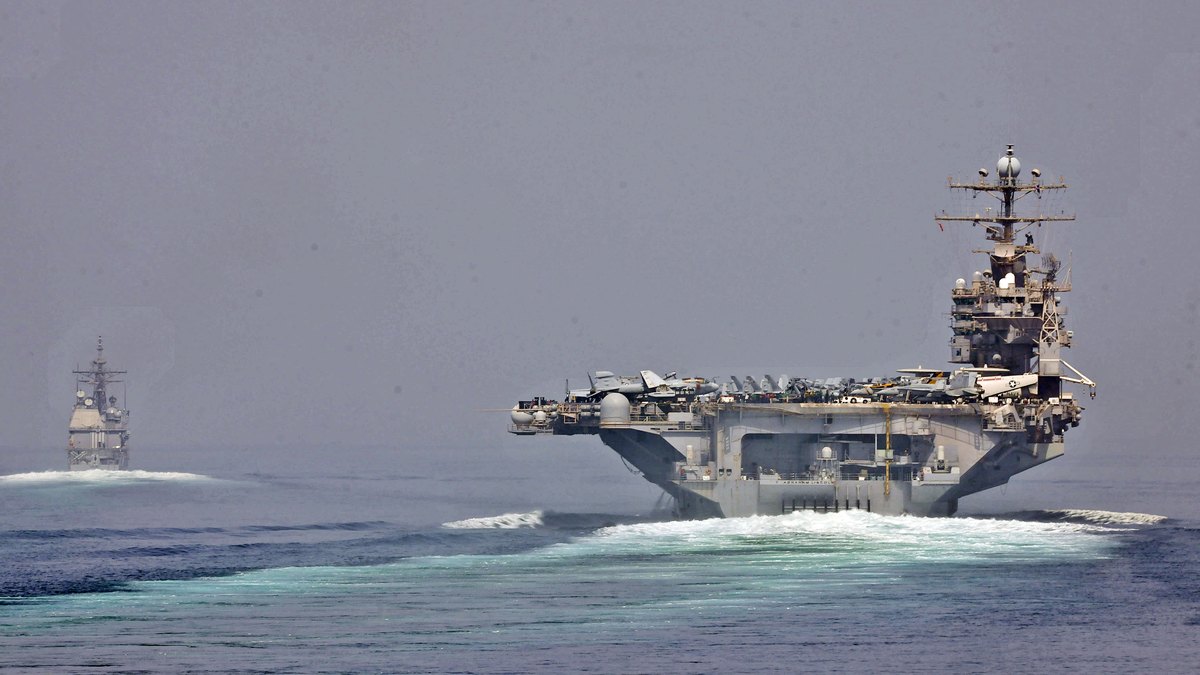
Iran's foreign minister says the Strait of Hormuz could be fully reopened to shipping in just two days under a new plan shaped with Qatari mediators. The offer comes with a long list of conditions for Washington. It also landed on Saturday beside fresh warnings from Tehran that any new attack would draw a response with no geographic limits.
Abbas Araghchi said the Qatari side had first suggested carrying out Iran's reopening proposal over five days. After more talks the two sides settled on a version that would shrink that window to two days. An Iranian delegation traveled to Doha on Saturday to keep the consultations going, one day after Qatari envoys spent more than 12 hours in talks in Tehran.
Tehran's terms are sweeping. Iran wants the sanctions imposed after the collapse of the Islamabad memorandum lifted along with a smaller U.S. military footprint in the region. It is also demanding that oil waivers be restored and that all of its frozen money be released, including about $6 billion parked in Qatar. On top of that it wants recognition of shipping lanes it has worked out with Oman plus the shutdown of other routes through the strait.
A letter from Vance
Araghchi said Iranian leaders had studied a letter from Vice President JD Vance in high-level meetings. He called the American effort to open a dialogue a positive step. He also warned that if the letter was meant to sow division it would be one more mistake by Washington.
He brushed aside reports of upcoming meetings with U.S. officials as media speculation. Iran sees no need to sit down with the Americans for now, he said, because its conditions are clear and mediators from Qatar and Pakistan are still working through them. He added that reopening the strait on Iran's terms would clear the way for talks on the other disputes between the two countries.
Threats on both sides
The diplomatic opening came with a hard edge. A statement from Supreme Leader Mojtaba Khamenei said a threat of any size or kind must be answered with an immediate and effective response that is not bound by geography. Armed forces chief of staff Maj. Gen. Ali Abdollahi said Iran has a new list of targets and that it would decide when any new war ends.
Araghchi said Iran does not rule out an attack and is ready for every scenario. He said the country had upgraded its weapons and that its forces were at their highest state of readiness.
In Atlanta, where he hosted a gathering of G20 foreign ministers, Secretary of State Marco Rubio said President Donald Trump has not decided whether to resume military action against Iran. Rubio said he did not know of any deadline for the Qatar-led talks. He said the president would rather settle the conflict through diplomacy as long as a deal does not put U.S. security at risk.
Rubio also accused Iran of threatening the energy sites of its Gulf neighbors to squeeze Washington. He said U.S. forces were shooting down Iranian drones and missiles aimed at ships almost every day.
Oil near its highs
The standoff has kept energy markets on edge. Brent crude settled at $117.64 a barrel on Friday, its highest finish since late April, after Iran said four tankers had hit mines and caught fire in the strait. The last confirmed U.S. strikes on Iran came on Sept. 1. U.S. officials have told allies to prepare for the possibility that strikes resume after Tuesday's midterm elections.
More like this
Hegseth fires the Pentagon's top war planner as the US tells allies to brace for Iran strikes
Vance signals flexibility on Iran's nuclear enrichment as the war enters its eighth month
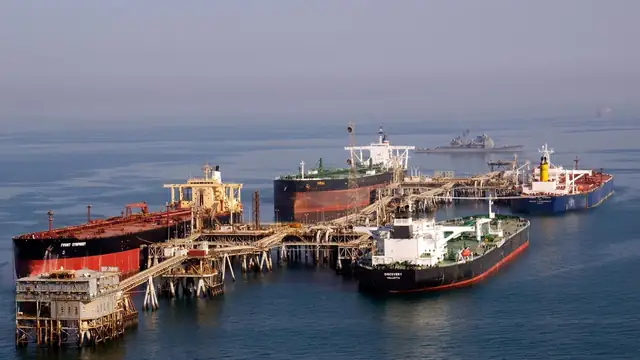
Iran says four tankers are burning in the Strait of Hormuz as oil hits its highest price since April
US intelligence warns Iranian plots to kill Americans have reached advanced stages as four Mideast embassies thin out staff