
Politics
Hackers say they exposed names and addresses of more than 40,000 Homeland Security workers
A hacking group says it broke into DHS personnel files, exposing names, phone numbers and addresses of over 40,000 ICE, CBP and other workers.
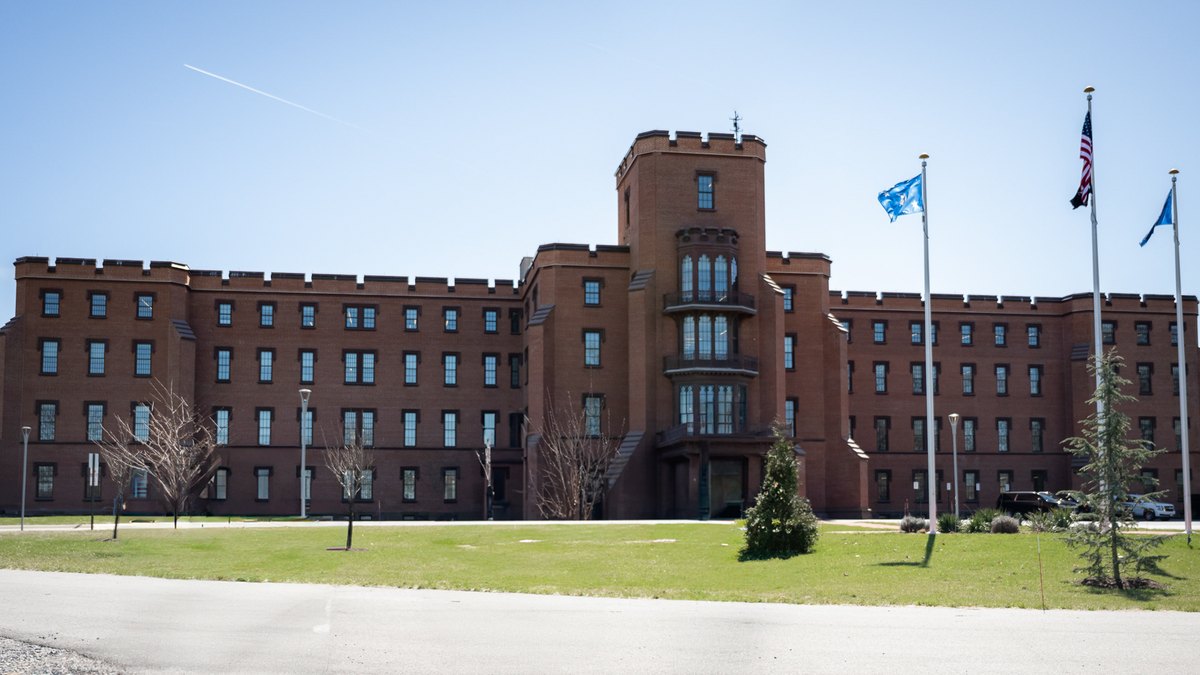
A hacking group says it broke into personnel files at the Department of Homeland Security and released details on more than 40,000 people who work for or with the agency. The trove includes names, phone numbers and home addresses. Some records involve officers tied to undercover work.
The group calls itself the Department of Peace. It says it got in by defeating the single sign-on system DHS uses to let employees log in to its networks.
DHS said Wednesday it is aware of a possible breach and is moving quickly to deal with it. The department said it is taking steps to make sure everyone affected is protected.
Who is in the files
More than 21,000 records point to employees of U.S. Customs and Border Protection. About 10,000 more relate to Immigration and Customs Enforcement and its Homeland Security Investigations unit.
The list is far from complete. DHS employs a little more than 220,000 people, so the leak covers roughly a fifth of the workforce. It follows a string of similar attacks on the FBI.
In a statement, the hackers pointed to a July comment by Homeland Security Secretary Markwayne Mullin that he was turning up the heat on immigration enforcement. They framed the leak as payback.
A searchable database
The hackers handed the material to Distributed Denial of Secrets, a group that publishes leaked records. It posted the files in a database it named Icepick. The data was also shared with U.S. journalist Ryan Ottignon and a Swiss hacker who goes by maia arson crimew. The two built a searchable online version.
Emma Best, a cofounder of Distributed Denial of Secrets, said the leak is remarkable because it ties officials who oversee covert operations to staff running deportation programs. Some activists say names and email addresses will make public records requests far more useful.
Doxing or oversight
Critics warn that publishing home addresses of federal workers could put them and their families in danger. Ottignon rejected the idea that the project amounts to doxing. He argued that agents who hide their faces with masks and work in plain clothes should not be anonymous to the public they police.
He called the database one step toward oversight of government. A note attached to the files put it more bluntly, saying the agency has the public's information so the public should have theirs.
Federal investigators have not said whether they have identified the people behind the breach.
More like this
Obama calls the Ilhan Omar investigation appalling as Homan says investigators have a strong case

Ilhan Omar vows she will not be silenced after agents search her D.C. home
Armed federal agents are knocking on doors to question residents about citizenship and voting

Hackers stole personal data on 1.3 million people from Arizona's court system after one phishing click