US
Tampa-area dengue outbreak becomes Florida's worst on record as crews spray day and night
More than 250 locally acquired dengue cases have been reported in Florida this year, most in Hillsborough County. Local emergencies are in effect as mosquito crews work around the clock.
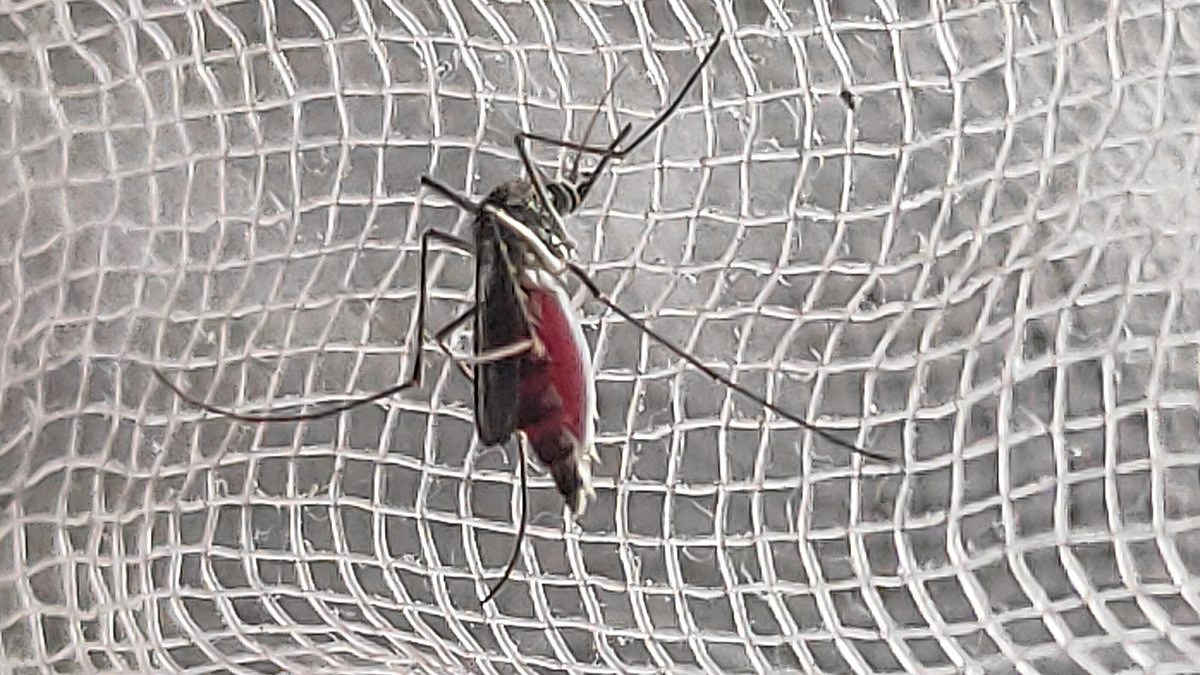
Florida is in the middle of its worst dengue outbreak on record, and it is centered not in Miami, where the mosquito-borne virus usually shows up, but in the Tampa Bay area.
State health officials reported this week that more than 250 locally acquired cases have been tallied so far this year, the vast majority in Hillsborough County. Available data from state health departments and medical journals suggest it is the most cases in a calendar year for any state since at least the 1940s. Florida's previous worst year was 2023, with just under 200 locally spread cases.
Emergencies declared
Hillsborough and surrounding counties have declared local emergencies, and mosquito control workers in the Tampa area are spraying day and night to knock down populations of Aedes aegypti, the mosquito that carries the virus.
The largest previous dengue outbreak in a U.S. state in modern times was in Hawaii, where 264 locally acquired cases were reported over six months in 2015 and 2016. The Tampa-area outbreak, which came to light in July, is on the verge of surpassing it.
'Breakbone fever'
Many infected people never feel sick. Others develop fever, flu-like symptoms and severe aches, which earned dengue the nickname "breakbone fever." Serious cases can cause bleeding, shock and death.
There are four types of dengue virus. A second infection with a different type can be more dangerous than the first, which has made vaccine development difficult. Most people in the Tampa area have no prior immunity to any type, said Dawn Wesson, a Tulane University expert on mosquito-borne diseases.
Travel ties and a warming climate
Puerto Rico is consistently hit hard by dengue. Of the nearly 1,900 locally acquired U.S. cases this year, most have been on the island, according to the CDC. Wesson said Florida sees a lot of dengue partly because of travel to and from Puerto Rico and other places where the disease is common, and the surge around Tampa may be at least partly tied to travel patterns. Experts also say the mosquitoes that spread dengue have been expanding their range as the climate warms.
In Florida, locally acquired cases have now edged past travel-related cases, 252 to 245 as of last week. The CDC can only send disease investigators when invited by a state, and Florida has not asked for that help, a CDC spokesman said.
How to protect yourself
Health officials urge residents to empty standing water from flowerpots, buckets, tires and birdbaths at least weekly, since Aedes mosquitoes breed in small containers and bite during the day. Use EPA-registered repellent, wear long sleeves when possible, and keep window screens in good repair. Anyone with a sudden high fever, severe headache, pain behind the eyes or joint pain should see a doctor and mention any mosquito bites or recent travel.