
US
A botched wiring upgrade set off the nationwide ground stop as airlines scrap another 6,000 flights Saturday
Officials say one router swamped the air traffic network during a copper-to-fiber swap. Airlines are still digging out from the longest halt in 25 years.
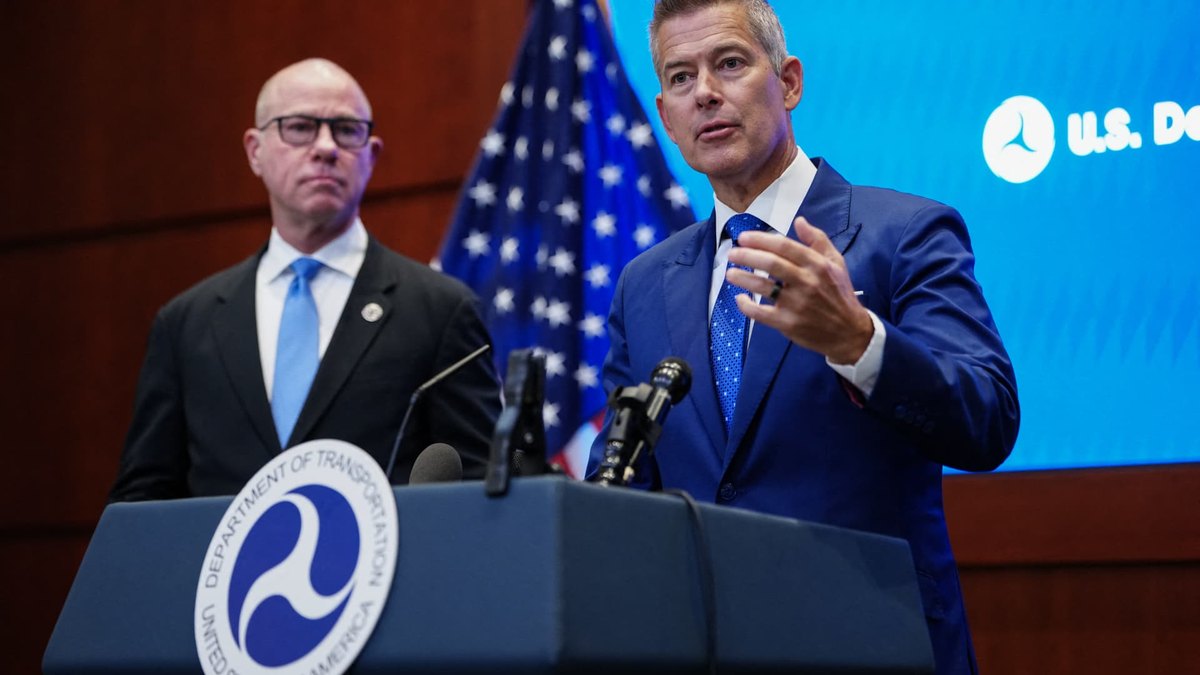
The shutdown that froze takeoffs across the country Friday afternoon did not start with hackers or a computer brain gone rogue. It started with a single piece of network gear at a remote site where crews were pulling out decades-old copper lines and putting in fiber, federal officials said Saturday.
Transportation Secretary Sean Duffy laid out the chain of events at a briefing in Washington. He said a router touched during the upgrade began hammering the rest of the air traffic network with more than a thousand attempts to connect every few seconds. That flood scrambled the links that carry pilot radio traffic and radar data to the centers that guide jets at cruising altitude.
The work was being handled by the defense and communications firm L3Harris. Duffy said investigators still have to sort out whether someone installed the equipment wrong or whether the router itself was defective. The company said it is helping with the inquiry and noted that it had finished more than 70% of the copper-to-fiber conversion before Friday.
FAA Administrator Bryan Bedford said his team found no sign of sabotage and nothing tied to artificial intelligence. That puts to rest early questions about a new AI scheduling tool the agency had just switched on at its en route centers. Bedford said no control facility actually went dark. Officials pulled the plug on departures because the data feeding those centers kept flickering and they would not gamble on a center losing contact with planes in the air. He said it took roughly 45 minutes to figure out what was causing the trouble.
The halt began a little before 3 p.m. Central on Friday and lasted more than four hours. That makes it the longest nationwide stop on departures in a quarter century and only the second since the days after Sept. 11, 2001.
The fallout kept spreading Saturday. More than 6,000 flights in the U.S. were canceled and about 7,100 were running late by early evening Central time, according to flight tracking data. Friday had already seen roughly 9,000 cancellations, close to a third of the day's flying. About 3 million travelers had been booked to fly on Saturday. Planes and crews were stuck in the wrong cities after scores of jets were diverted Friday night.
Bedford promised the schedule would be back to normal by the end of Sunday while warning that delays would linger in the meantime. Carriers are throwing spare jets at the backlog and offering pilots and flight attendants bonus pay to pick up extra trips. Several airlines are letting stranded customers rebook without change fees or fare differences. At least one is capping some prices.
Duffy used the moment to press Congress for billions more to rebuild an air traffic system he called badly outdated, warning that a repeat is possible without it. The White House has asked lawmakers for $30.1 billion for the overhaul. Anyone with a trip planned this weekend should check flight status before leaving for the airport.
More like this
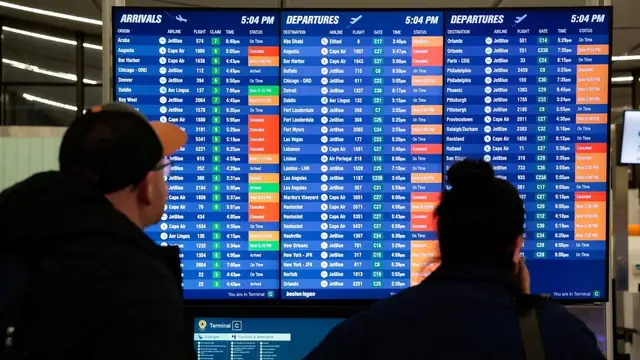
FAA freezes takeoffs at every US airport after air traffic centers lose radio and radar links, stranding travelers on a Friday night
FAA certifies Boeing's 737 MAX 10 after years of delays, clearing the way for deliveries
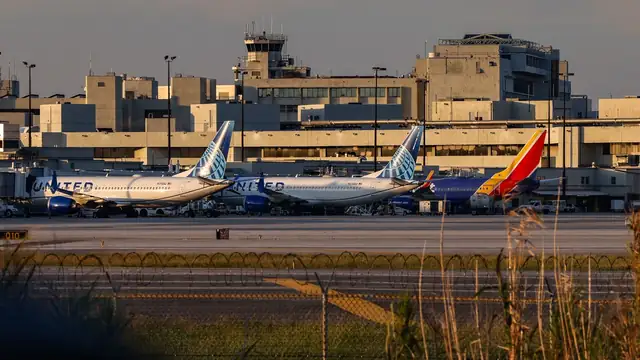
A nationwide FAA ground stop leaves college football, NBA and NHL teams stuck on the ground

Microsoft outage drags into a second day as Outlook mailboxes stay dark for workers, schools and city halls