US
Final rule ends automatic extensions for many work permits and workers are told to renew early
A rule published Wednesday removes the automatic extension for certain employment authorization cards so workers must renew before they expire.
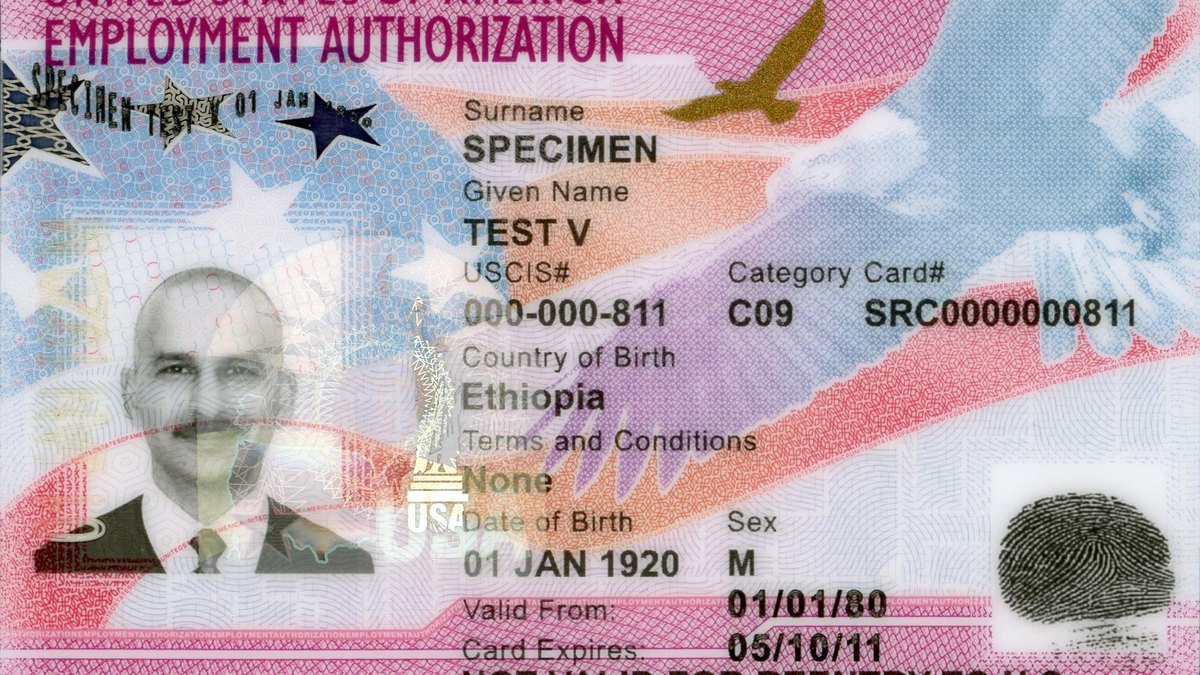
Immigrants who rely on a work permit now have less room for error. A final rule published Wednesday removes the automatic extension that used to keep certain employment authorization documents valid while a renewal request was pending.
What changes
Before this change many workers could keep working for up to 540 days after their card expired as long as they had filed a renewal on time. Under the rule renewal applications filed on or after Oct. 30, 2025 generally do not extend an expiring card. Work authorization ends on the date printed on the card unless another legal basis applies.
Who is not affected
Cards that were already automatically extended before Oct. 30, 2025 stay valid through their existing extension period. Some groups also have separate protections. People who hold Temporary Protected Status should read the notice that covers their country because those notices often set their own work permit dates.
Why timing matters
Employers must check that every worker is authorized and a lapsed card can force a pause in work or even a lost job. Immigration lawyers say the biggest risk is a gap in the paycheck while an application sits in line.
Workers can ask for renewal earlier than before. Advocates advise filing as soon as the filing window opens and keeping copies of every receipt. They also suggest telling an employer ahead of time when a card is close to its end date.
Anyone unsure about a specific case should talk to an immigration attorney or an accredited representative at a legal aid group.
More like this
Jobless claims inch up to 199,000 as the job market holds steady
A second court blocks Trump's $100,000 H-1B fee, a reprieve for Indian tech workers and U.S. hospitals
Pew: Latinos are divided over whether the American dream is attainable
Immigration arrests surge in California's Central Valley and Latino towns go quiet