Communities
A Detroit grower turned three vacant west side lots into a farm that feeds and heals her neighbors
Nan'Chang Thompson-Springer started growing food after a diabetes diagnosis. Six years later her Urban Bush Sistah's garden sells produce and teaches neighbors.
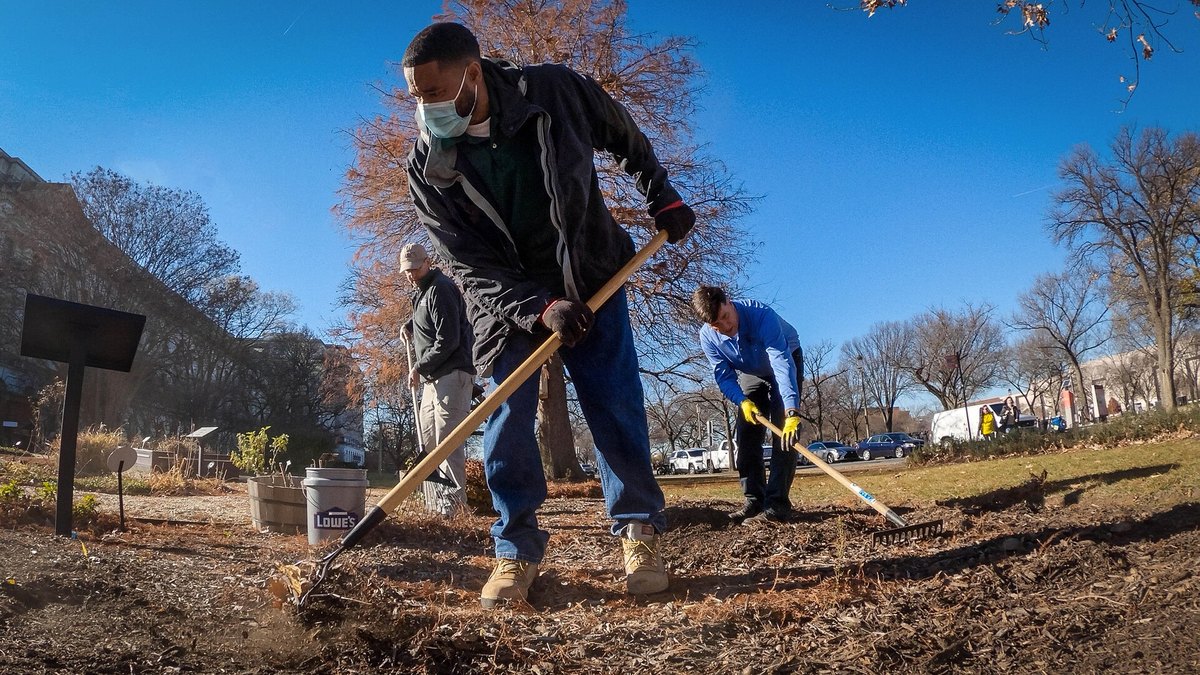
On Detroit's west side three lots that once sat empty now hold raised beds, a hoop house, fruit trees, herbs and a flock of chickens. A little yellow farm stand shaped like a barn sells vegetables and flowers. The woman behind it all is Nan'Chang Thompson-Springer, who calls the place Urban Bush Sistah's Community & Market Garden.
She did not grow up on a farm. She grew up on the same side of town and raised her children a few blocks from where the garden now stands. Growing food started as a way to take care of herself.
Food as medicine
After she was diagnosed with diabetes she overhauled the way she ate and eventually went vegan. In 2017 she planted a garden in her own backyard. Before long she wanted to share what she was learning with neighbors, in a community where diabetes, high blood pressure and heart disease are common.
"I believe food is medicine," she said.
She found the lots near the high school her children attended and kept coming back at different times of day to get a feel for the block. At first she simply started planting, a practice she calls guerrilla gardening, then took over the care of the two lots next door.
Cardboard, wood chips and dirt
The real build began in 2020, when the pandemic pushed people outside. Her friend Cheryl Bell, whom she met through the running group Black Girls Run, showed up to help. Bell remembers there was almost nothing there at the start besides cardboard, wood chips and dirt.
That same year the Detroit Black Farmer Land Fund gave her money to buy the property. The fund also paid for garden beds and helped with technical needs such as her website. Keep Growing Detroit pitched in with beds, other equipment and classes. Buying city land has been a long road, with inspections, permits and the work of merging three lots into one address.
A federal conservation grant paid for the hoop house along with storage containers, sinks and other gear. It was also meant to cover a city water hookup. That grant was later cut off in a round of federal funding cuts, which slowed some of her plans.
Leaning on neighbors
This year the garden has run on volunteers, donations and sales from the farm stand and local markets. Bell is still her longest-serving helper. After a stroke in 2021 she said the garden work became part of her recovery, both in body and mind. Another volunteer, Sheela Drummer, found the garden through community workshops four years ago. After flooding repeatedly damaged her home she took a special interest in rain gardens and native plants.
Thompson-Springer now works at the garden full time with help from her husband. Along with produce she sells teas, tinctures, oils and salves she makes herself. She also leads workshops on growing food and caring for your health with plants.
She is not chasing a big expansion. Her goal is to finish the permits, get that water line and take care of what she has built. "This is my all-around healing place, for my mind and my body," she said.
More like this
Kalamazoo Promise opens free tuition to HBCUs nationwide

Maternity wards keep closing as Medicaid cuts approach and the stakes rise for Black mothers

Dr. Erica Schwartz, the first Black woman to lead the CDC, urges parents to trust the MMR vaccine

Henrietta Lacks is remembered 75 years after her death as her grandson presses Johns Hopkins on the estate's role