
US
Daylight saving time ends early Sunday as clocks fall back an hour after Halloween night
Most Americans set clocks back one hour at 2 a.m. Sunday, Nov. 1. Here is what changes, who skips it and where the push for year-round time stands.
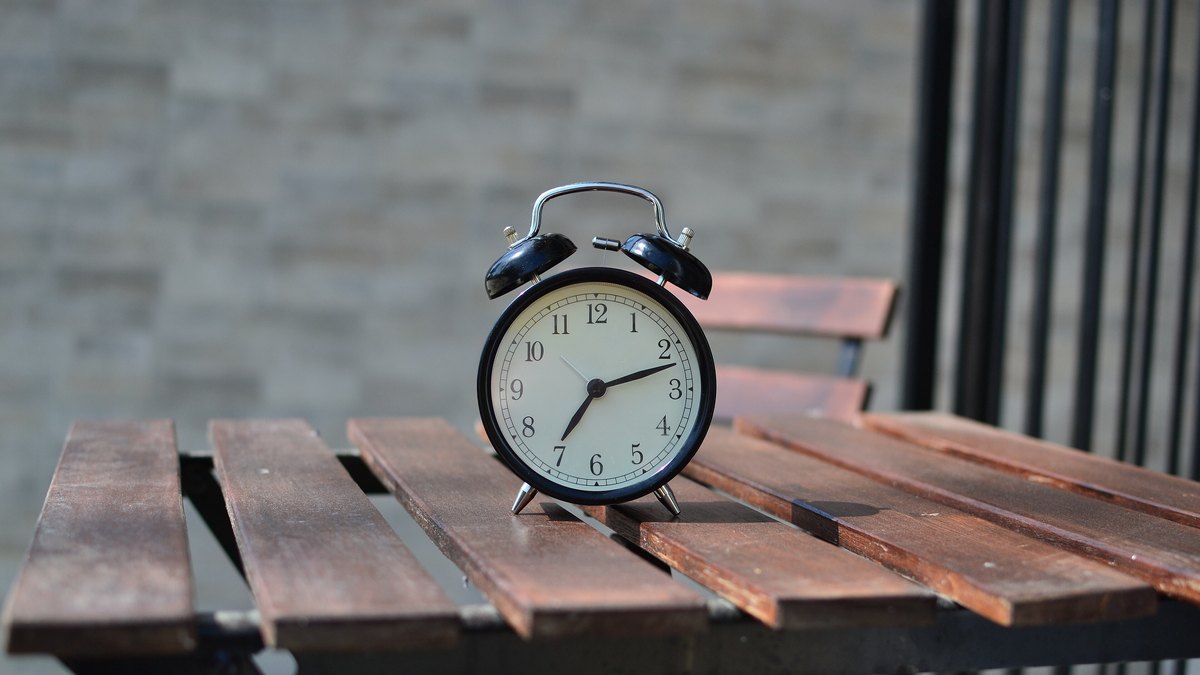
Halloween night comes with a bonus this year. Daylight saving time wraps up at 2 a.m. local time on Sunday, Nov. 1, when most clocks across the country slide back to 1 a.m. That hands trick-or-treaters an extra hour of party time or an extra hour of rest.
Phones and computers will update on their own. Older microwaves, car dashboards and wall clocks will need a manual nudge before the week gets going.
The shift moves daylight from the evening back to the morning. Sunrise will come about an hour earlier on Sunday while sunset will arrive closer to 4:30 p.m. in much of the Northeast. Commuters should expect darker drives home for the next several months.
Who does not change
Hawaii and most of Arizona stay on standard time all year and will not touch their clocks. The Navajo Nation in northeastern Arizona does follow the change. U.S. territories such as Puerto Rico and Guam also skip it.
Americans have turned clocks back on the first Sunday in November since 2007, when a federal law pushed the end date later. Standard time will run until Sunday, March 14, 2027, when clocks spring forward again.
The fight over year-round time
A bill known as the Sunshine Protection Act would lock in daylight saving time for good. It passed the House in July but has stalled in the Senate. Arkansas Sen. Tom Cotton has pushed back, pointing out that the country tried permanent summer time in the 1970s and dropped it once people saw how late winter sunrises came.
If the Senate does not act before the new Congress is sworn in during January, the measure dies and supporters would have to start over in both chambers.
Sleep experts suggest easing into the change. Going to bed about 15 minutes later for a few nights and getting outside in the morning light can help adults and young kids adjust faster.
More like this
Arkansas Democrats bet that high prices and frustration can crack one of the reddest states in the country

Jeff and Emily Mitchell rebuilt with a cupcake truck
Pricier Halloween costumes push last-minute shoppers to swap full outfits for cheaper accessories

Ty Walker bought a neglected trout farm and learned it broke