
Communities
Congressional Black Caucus will hit a record 68 members with 18 newcomers in the next Congress
The Congressional Black Caucus will have 68 members and 18 newcomers when the 120th Congress begins. Chair Yvette Clarke credits Black voters in the South.
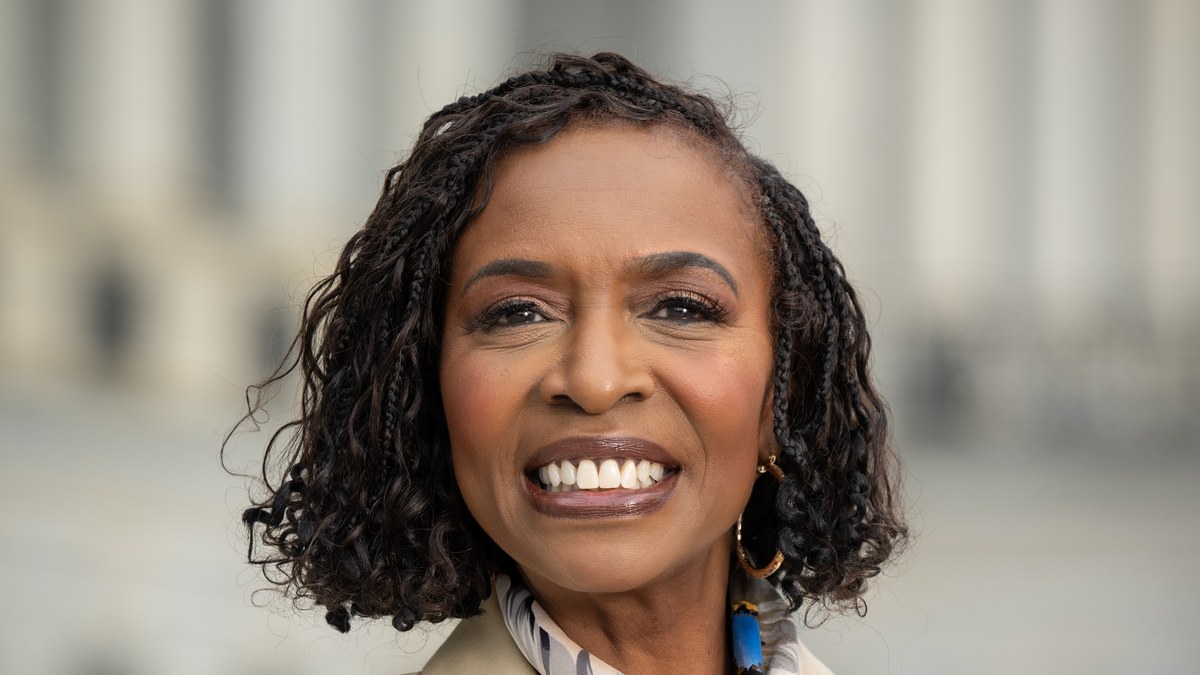
When the new Congress opens in January the Congressional Black Caucus will be bigger than at any point in its 55-year history.
The caucus said this week that 68 lawmakers will belong to it in the 120th Congress. Sixty-two will sit in the House of Representatives. Six will serve in the Senate. The group also expects to welcome 18 new members, its largest incoming class since it was founded in 1971.
Caucus leaders tie the jump to this month's 2026 midterm elections, when Black candidates won House districts and statewide races around the nation.
'A testament to the power of Black voters'
Rep. Yvette Clarke of New York, who chairs the caucus, gave the credit to Black voters who turned out in large numbers. She pointed to Republican efforts to redraw election maps in ways that weakened the voting strength of Black and brown communities.
"Despite the odds and repeated efforts to diminish the power of Black voters, Black representation has grown in Congress," Clarke said. She said the growth reflects voters "particularly across the South" who would not accept being treated as second-class citizens.
Clarke said caucus members will lead some of the most powerful committees in the new House majority. She listed bringing down the cost of living plus holding the Trump administration accountable as top goals. Her own term as chair ends in January.
"Our charge is clear: to lead boldly, deliver results and ensure that no community is left behind," she said.
Who is joining the caucus
Two of the newcomers are headed to the Senate. Scott Colom beat Republican Sen. Cindy Hyde-Smith in Mississippi to become the first African American senator since Reconstruction in the 1870s. No Democrat had won a Senate seat in Mississippi since 1982. In Illinois former Lt. Gov. Juliana Stratton will succeed the retiring Dick Durbin. She becomes the second Black woman the state has sent to the Senate.
Melat Kiros, a 29-year-old attorney who once paid down her student loans with barista shifts, is Colorado's first Black congresswoman. She is also the first woman from Gen Z to win a House seat.
In Maryland 32-year-old Adrian Boafo, the son of Ghanaian immigrants, will take over the seat of retiring Rep. Steny Hoyer. In Washington, D.C., Council member Robert C. White Jr. will replace Eleanor Holmes Norton, who is retiring at 89 after 35 years as the city's nonvoting delegate.
North Carolina adds three Black freshmen. Army veteran Raymond E. Smith Jr. turned the 3rd District blue for the first time in more than three decades, a seat Republicans had held since 1995. Former High Point Mayor Cyril Jefferson unseated Rep. Addison McDowell. Ordained minister LaKesha Womack defeated Rep. Tim Moore.
In Dallas the Rev. Frederick Douglass Haynes III of Friendship-West Baptist Church will hold the seat that Rep. Jasmine Crockett gave up to run for the Senate. Haynes is Crockett's own pastor. Former Rep. Colin Allred is coming back to the House from a redrawn Texas district.
Janelle Sarauw of St. Thomas will be the territory's first openly LGBTQ member of Congress. She follows Stacey Plaskett, who was elected governor of the U.S. Virgin Islands.
The rest of the class includes Oliver Gilbert III of Florida, Jasmine Clark of Georgia, Donna Miller and La Shawn K. Ford of Illinois, Donavan McKinney of Michigan, Darializa Avila Chevalier of New York and Chris Rabb of Pennsylvania.
More like this
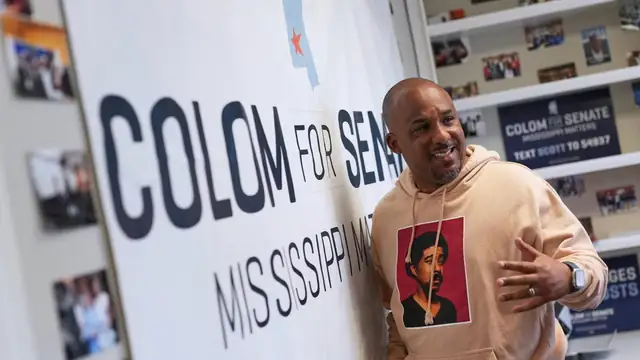
Scott Colom wins Mississippi's Senate seat, becoming the state's first Black senator since Reconstruction

Juliana Stratton wins Illinois Senate seat, setting up the first time three Black women serve together
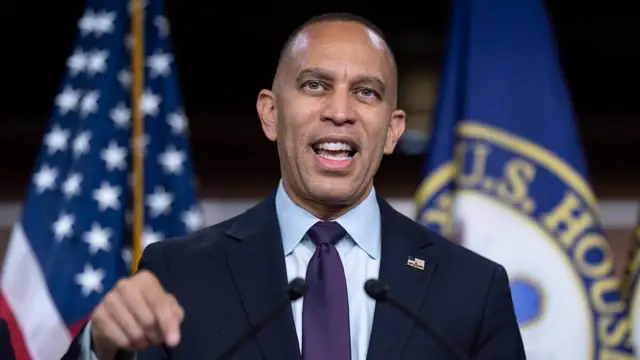
House Democrats nominate Hakeem Jeffries 251-11 as he nears history as the first Black speaker
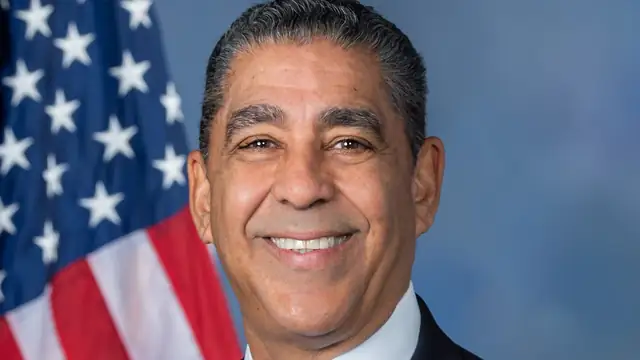
Congressional Hispanic Caucus set to top 50 members after the midterms