Entertainment
Charlotte officers' alleged group chat turned stopping Black drivers into a contest
Charlotte-Mecklenburg officers allegedly traded racist texts and dared each other to stop Black drivers. Several have quit or face firing.

A group of officers in Charlotte, North Carolina, allegedly made a game out of racial profiling by daring one another to see who could stop the most Black drivers.
What the messages allegedly said
Charlotte-Mecklenburg Police Department officers were caught sharing racist messages in a group chat, WBTV reports. The officers allegedly used the n-word over and over while talking about using force on Black residents and shooting at them.
The fallout has been huge. More than six officers have reportedly resigned or been recommended for termination.
How the chat came to light
The texts surfaced during a separate state probe. State agents were digging into claims that Officer Seth Elliott abused police surveillance tech to aid someone linked to a drug probe.
While searching his phone they found the group messages. They passed them to CMPD, which opened its own internal investigation.
According to WBTV the officers worked in several different divisions. Those recommended for firing can still appeal. The police chief will make the final call.
Where things stand
Elliott left the force over a month ago. He faces a criminal charge tied to the surveillance claims. His lawyer would not comment on the racist messages.
CMPD has not confirmed or denied the allegations. The department says it will not put up with conduct that erodes public trust and that it is committed to accountability as well as transparency.
More like this
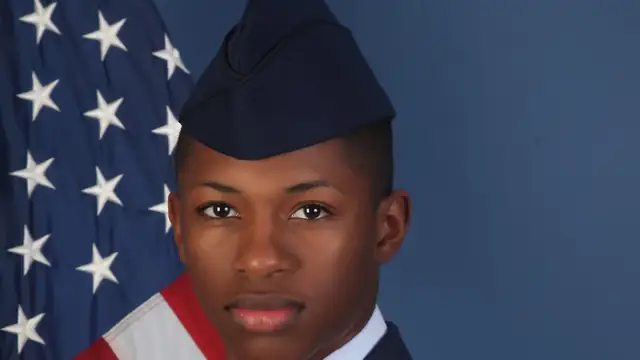
Roger Fortson's mother says an all-white jury shaped the acquittal of the deputy who killed him
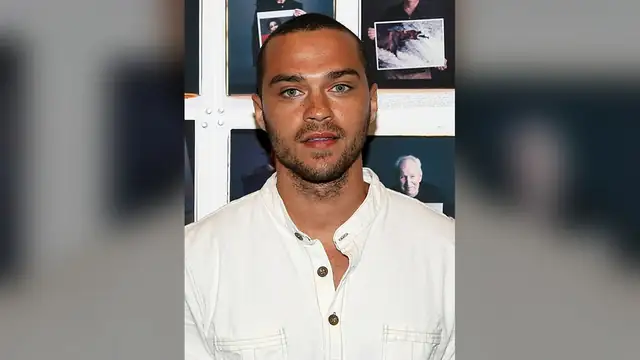
Jesse Williams says speaking out cost him film roles and Harry Belafonte helped carry him through it
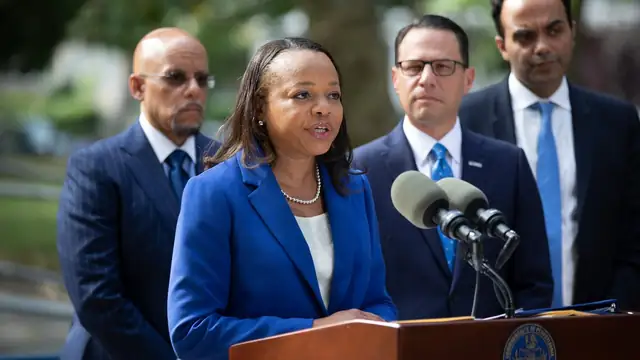
NAACP will open a midterm legal war room by Oct. 24 and says 52,000 volunteers have signed up
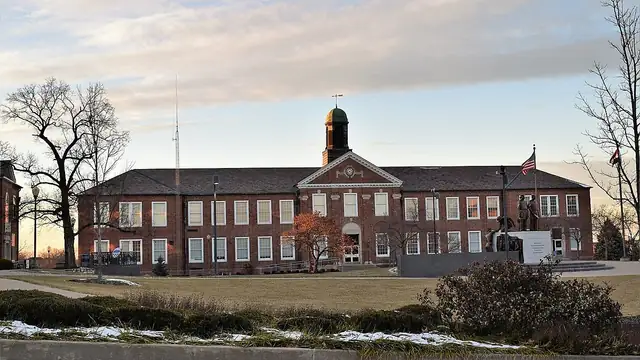
Lincoln University students and alumni sue Missouri for $549 million, saying the state shortchanged their HBCU for decades