US
Federal school data shows rising suspensions and a teaching force far less diverse than students
The latest Civil Rights Data Collection covers 49.7 million students. Black students lost four times as many school days to suspension as white peers, and 75% of teachers are white.
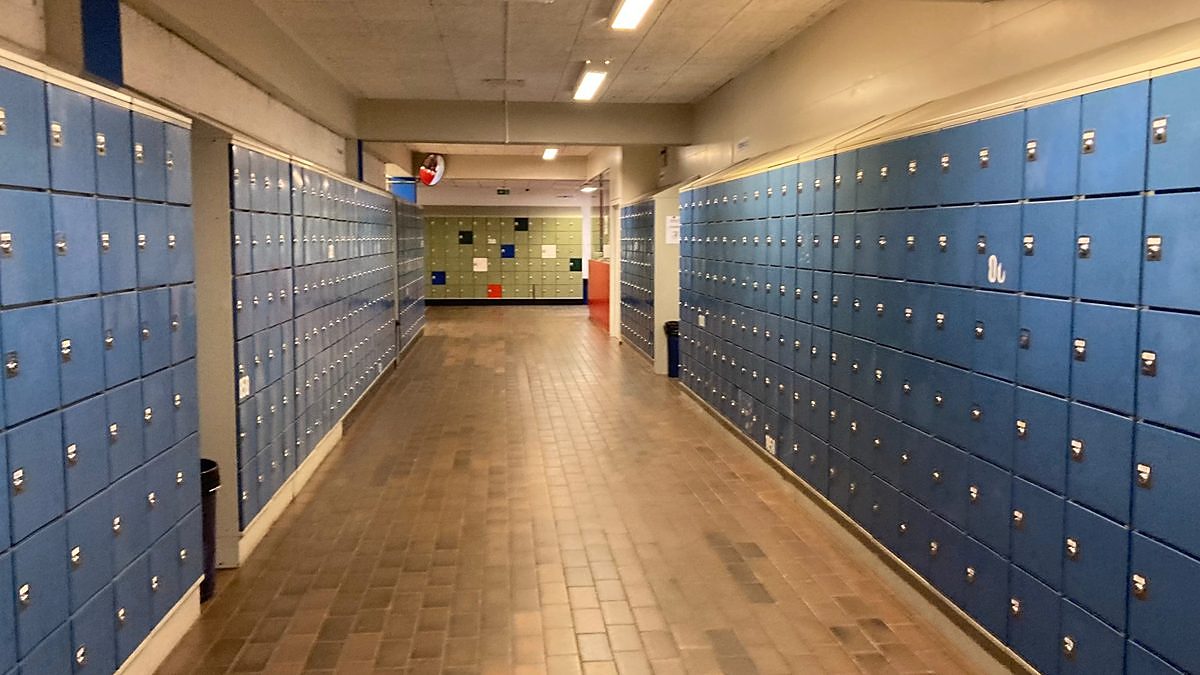
A long-awaited federal snapshot of America's public schools shows more children in preschool, fewer in K-12 classrooms, more students being suspended, and a teacher workforce that looks very different from the students it serves.
The findings come from the Civil Rights Data Collection, a survey the federal government has run for more than 50 years to help the Education Department enforce students' civil rights. The latest edition covers the 2023-24 school year, more than 97,000 public schools and about 49.7 million students. The Trump administration released the data Aug. 31, six months later than promised, and only recently published the summary report that makes it easier for the public to read.
More preschoolers, fewer K-12 students
About 1.5 million children were enrolled in public preschool, a 12% jump from 2021-22 and close to pre-pandemic levels. Researchers credit both a rebound from the pandemic and new state investment. California's expansion of transitional kindergarten for 4-year-olds added nearly 36,000 children in a single year, and Colorado and New Mexico are also growing access quickly.
K-12 enrollment, meanwhile, fell nearly 1%, a decline researchers link to lower birth rates and growth in private schooling and home schooling in some states.
Suspensions are up, and unevenly applied
About 2.5 million students received at least one out-of-school suspension, and 2.3 million received in-school suspensions, both up roughly 100,000 from the prior report. Dan Losen of the National Center for Youth Law said most districts suspend students for minor offenses such as tardiness, truancy or dress code violations rather than for safety threats.
By his count, students lost more than 14 million days of instruction to out-of-school suspensions in 2023-24, up from about 11 million a decade ago. "Even one out-of-school suspension greatly increases the risk of dropping out of school or winding up in the juvenile justice system," Losen said.
The burden is not shared equally. Black students lost more than four times as many school days to out-of-school suspensions as their white classmates. Students with disabilities, now 19% of all public school students, up from 17%, were also suspended at disproportionately high rates and are among the least likely to be enrolled in Advanced Placement courses.
Who stands at the front of the room
For the first time since the 1970s, the survey collected teachers' race, ethnicity and sex. It found the teaching workforce is 75% white, 9% Black and 11% Latino, a sharp contrast with a student body that is majority children of color.
Maithreyi Gopalan of the University of Oregon said research shows Black students tend to have better achievement and discipline outcomes when taught by Black teachers, and that more Black and Latino teachers can benefit all students. The data also show that more than 720,000 students attend schools where fewer than half of teachers meet state certification requirements, and 73% of those students are Black or Latino.
What was left out
Under the Biden administration, schools were required to report data on nonbinary students for the first time. That information was collected for 2023-24, but the Trump administration withheld it, citing an executive order recognizing only two sexes.
Education researchers say the delays and omissions make it harder to hold schools accountable. Still, the release gives parents, school boards and lawmakers a detailed look at how students of every background are being served, and where the gaps remain.