Politics
NAACP sues DOJ for records on midterm "election monitors"
The civil rights group filed an emergency FOIA suit after the Justice Department failed to answer a Sept. 1 request about plans to deploy roughly 1,000 monitors for the Nov. 3 midterms.
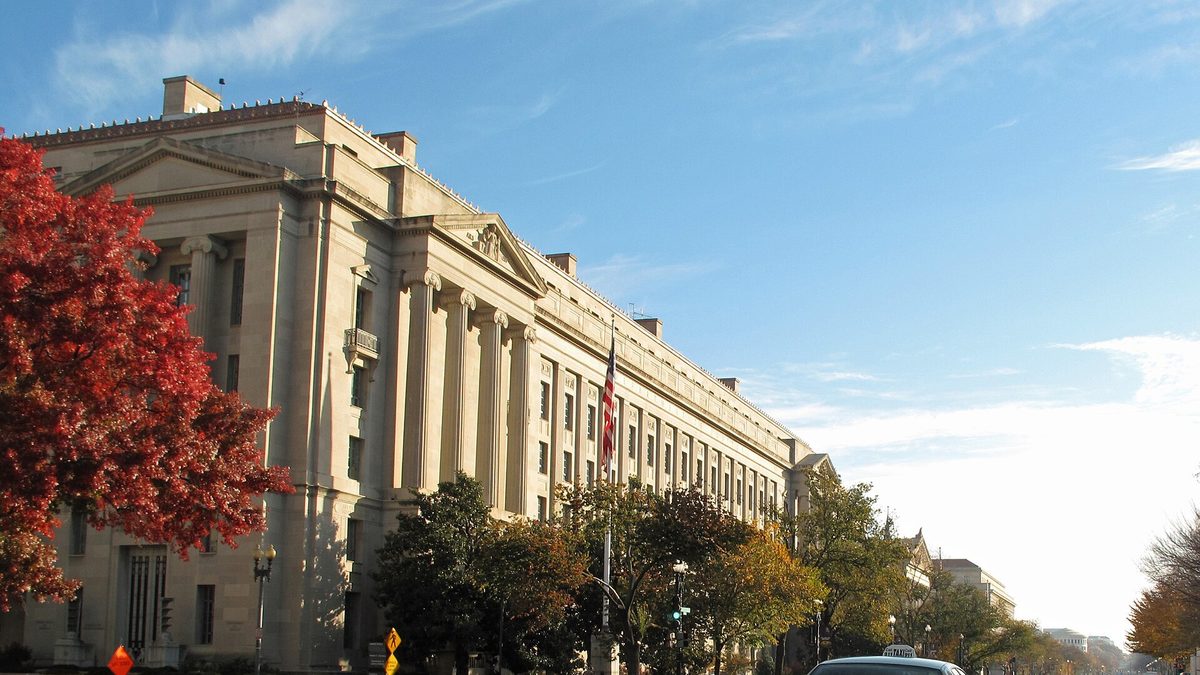
The NAACP asked a federal court in Washington on Oct. 2 to force the Justice Department to open its files on an unprecedented midterm "election monitor" deployment — a transparency fight that arrives less than a month before voters go to the polls on Nov. 3.
The FOIA clock ran out
According to the complaint in NAACP v. Dhillon, the organization submitted a Freedom of Information Act request on Sept. 1 to the Civil Rights Division seeking records on the legal authority, locations, training, personnel qualifications, and state consent related to federal monitors at polling places. FOIA generally requires an agency to determine whether to release or withhold records within 20 business days. The NAACP says that deadline passed without the required determination.
The suit names Assistant Attorney General Harmeet Dhillon in her official capacity as head of the Civil Rights Division. The NAACP is also seeking emergency relief to compel DOJ to identify responsive records immediately and produce them on a compressed timeline before Election Day.
What the monitors plan looks like
Civil Rights Division officials have said they intend to send roughly 1,000 monitors to observe voting during the midterms — described by critics as the largest such deployment in Department history. Attorney General Todd Blanche has separately suggested monitors could be present in all 50 states. The NAACP complaint alleges that monitors have already appeared at some sites during the campaign cycle, in some cases without notice or local consent.
Court filings attached to the emergency motion ask the judge to order DOJ to begin identifying responsive documents at once and to transmit them within a week of any order — an aggressive timetable justified, the NAACP says, by the midterms being less than a month away and by the Department's own public messaging about monitors.
Historically, DOJ election observation has focused on enforcing voting-rights statutes and deterring discrimination. The NAACP argues the current effort has shifted toward investigating unfounded claims of widespread voter fraud in ways that risk intimidation at the polls. State laws in places such as Tennessee, California, and Indiana tightly regulate who may loiter near voting locations — another reason the group says the public needs clarity on federal plans.
Why Black voters are watching closely
For the nation's oldest civil rights organization, the dispute is about more than document production. Black voters and other communities of color have long faced both under-protection from discriminatory practices and over-policing of their political participation. A large, poorly explained federal presence at polling places, the NAACP says, can chill turnout even when agents carry no arrest authority.
Local election administrators from both parties have privately told reporters they need advance notice of any federal presence so poll workers can brief voters and avoid confusion about who has authority inside a precinct. Several governors have already described prior DOJ visits as aggressive; others welcome federal help against discrimination. The FOIA fight sits squarely between those poles.
Democracy Docket and voting-rights lawyers following the case note that the FOIA request also seeks records about any role for ICE or other federal law-enforcement officers, deployment maps, and training materials — details that would let election officials and voters prepare for Election Day.
What to watch
A D.C. district judge will decide how quickly DOJ must process the request. Even a partial release could reshape the public debate over federal election observation. With early voting underway in many states, the NAACP's message is simple: if the Justice Department can announce a thousand monitors, it can also explain who they are, where they are going, and under what legal theory they stand at the polls.